Kirjojen hintavertailu – 12 903 725 kirjaa ja 27 kauppaa

Kirjailija

Dwight T. Pitcaithley

Kirjat ja teokset yhdessä paikassa: 4 kirjaa, julkaisuja vuosilta 2003–2018, suosituimpiin kuuluu The Antiquities Act. Vertaile teosten hintoja ja tarkista saatavuus suomalaisista kirjakaupoista.

4 kirjaa

Kirjojen julkaisuvuodet: 2003–2018.

The U.S. Constitution and Secession

The U.S. Constitution and Secession

Dwight T. Pitcaithley

University Press of Kansas
2018
nidottu
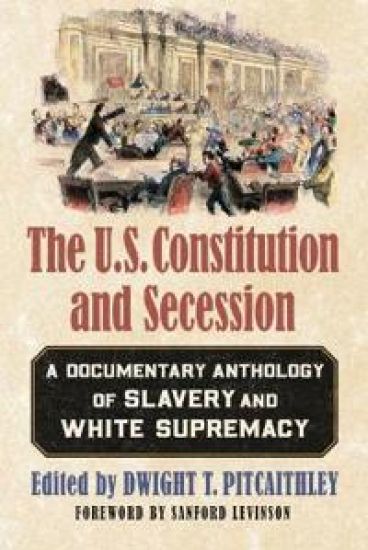
Five months after the election of Abraham Lincoln, which had revealed the fracturing state of the nation, Confederates fired on Fort Sumter and the fight for the Union began in earnest. This documentary reader offers a firsthand look at the constitutional debates that consumed the country in those fraught five months. Day by day, week by week, these documents chart the political path, and the insurmountable differences, that led directly—but not inevitably—to the American Civil War. At issue in these debates is the nature of the U. S. Constitution with regard to slavery. Editor Dwight Pitcaithley provides expert guidance through the speeches and discussions that took place over Secession Winter (1860–1861) in Congress, eleven state conventions, legislatures in Tennessee and Kentucky, and the Washington Peace Conference of February, 1861. The anthology brings to light dozens of solutions to the secession crisis proposed in the form of constitutional amendments 90 percent of them carefully designed to protect the institution of slavery in different ways throughout the country. And yet, the book suggests, secession solved neither of the South’s primary concerns: the expansion of slavery into the western territories and the return of fugitive slaves. What emerges clearly from these documents, and from Pitcaithley’s incisive analysis, is the centrality of white supremacy and slavery—specifically the fear of abolition—to the South’s decision to secede. Also evident in the words of these politicians and statesmen is how thoroughly passion and fear, rather than reason and reflection, drove the decision making process.

The U.S. Constitution and Secession

The U.S. Constitution and Secession

Dwight T. Pitcaithley

University Press of Kansas
2018
sidottu
Five months after the election of Abraham Lincoln, which had revealed the fracturing state of the nation, Confederates fired on Fort Sumter and the fight for the Union began in earnest. This documentary reader offers a firsthand look at the constitutional debates that consumed the country in those fraught five months. Day by day, week by week, these documents chart the political path, and the insurmountable differences, that led directly—but not inevitably—to the American Civil War. At issue in these debates is the nature of the U. S. Constitution with regard to slavery. Editor Dwight Pitcaithley provides expert guidance through the speeches and discussions that took place over Secession Winter (1860–1861) in Congress, eleven state conventions, legislatures in Tennessee and Kentucky, and the Washington Peace Conference of February, 1861. The anthology brings to light dozens of solutions to the secession crisis proposed in the form of constitutional amendments 90 percent of them carefully designed to protect the institution of slavery in different ways throughout the country. And yet, the book suggests, secession solved neither of the South’s primary concerns: the expansion of slavery into the western territories and the return of fugitive slaves. What emerges clearly from these documents, and from Pitcaithley’s incisive analysis, is the centrality of white supremacy and slavery—specifically the fear of abolition—to the South’s decision to secede. Also evident in the words of these politicians and statesmen is how thoroughly passion and fear, rather than reason and reflection, drove the decision making process.
The Antiquities Act

The Antiquities Act

David Harmon; Francis P. McManamon; Dwight T. Pitcaithley

University of Arizona Press
2006
nidottu
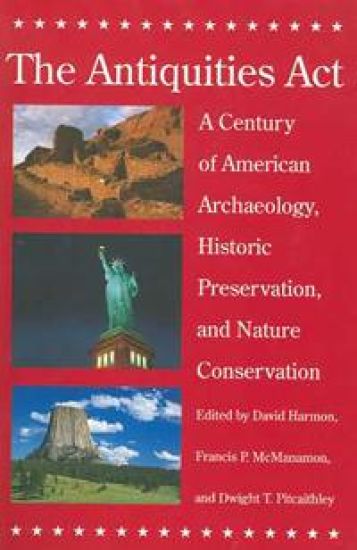
Enacted in 1906, the Antiquities Act is one of the most important pieces of conservation legislation in American history and has had a far-reaching influence on the preservation of our nation's cultural and natural heritage. Thanks to the foresight of thirteen presidents, parks as diverse as Acadia, Grand Canyon, and Olympic National Park, along with historic and archaeological sites such as Thomas Edison's Laboratory and the Gila Cliff Dwellings, have been preserved for posterity. A century after its passage, this book presents a definitive assessment of the Antiquities Act and its legacy, addressing the importance and breadth of the act, s well as the controversy it has engendered. Authored by professionals intimately involved with safeguarding the nation's archaeological, historic, and natural heritage, it describes the applications of the act and assesses its place in our country's future. With a scope as far-reaching as the resources the act embraces, this book offers an unparalleled opportunity for today's stewards to reflect on the act's historic accomplishments, to remind fellow professionals and the general public of its continuing importance, and to look ahead to its continuing implementation in the twenty-first century. The Antiquities Act invites all who love America's natural and cultural treasures not only to learn about the act's rich legacy but also to envision its next hundred years.
Memory in Black and White

Memory in Black and White

Paul A. Shackel; Dwight T. Pitcaithley

AltaMira Press,U.S.
2003
nidottu
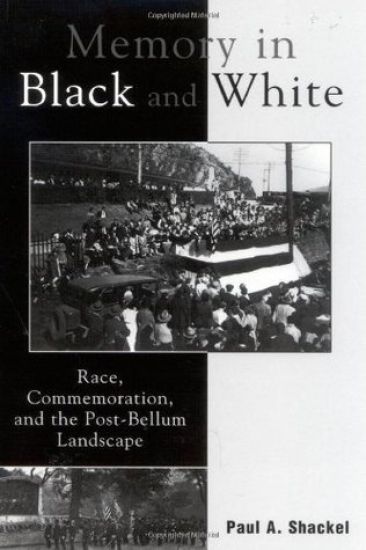
As a nation we bring many perspectives to our commemorative places and our ideas may change over time, especially on difficult topics like slavery and racism. Why a place is saved and how it is interpreted to visitors has much to do with our collective memory of the events that took place there. Using the skills of an archaeologist and a historian, Paul Shackel examines four well-known Civil War-era National Park sites and shows us how public memory shaped their creation and continues to shape their interpretation. Shackel shows us that "public memory" is really "public memories," and interpretation may change dramatically from one generation to another as interpreters try to accommodate, or ignore, certain memories. Memory in Black and White is important reading for all who are interested in history and memory of landscapes, and will be especially useful to those involved in preserving and interpreting a controversial place. Visit the author's web page Visit the UMD Heritage Program web page