Kirjailija
E. A. Wallis Budge
Kirjat ja teokset yhdessä paikassa: 455 kirjaa, julkaisuja vuosilta 1922–2026, suosituimpiin kuuluu The Literature of the Ancient Egyptians. Vertaile teosten hintoja ja tarkista saatavuus suomalaisista kirjakaupoista.
Nimi esiintyy myös muodoissa: E A Wallis Budge, E.A. Wallis Budge, E. A Wallis Budge
455 kirjaa
Kirjojen julkaisuvuodet: 1922–2026.
First published in 2002. The power of magical names, spells, and talismans was of utmost importance to the ancient Egyptians and their religion. Here, in another classic by the foremost Egyptian scholar of the Victorian era, E. A. Wallis Budge describes and explains the magical practices in Egypt, many of which predate the belief in gods and goddesses. Illustrated with twenty line drawings, this volume is one more key needed to unlock the secrets of this great ancient civilization.
This is a complete English translation of the famous Ethiopian work The Kebra Nagast - The Glory of the Kings of Ethiopia. Complied by a Coptic priest in the 6th century AD from much older material, The Kebra Nagast is a remarkable mixture of legends and traditions, some historical and some of a mythic quality, derived from the Old Testament and the later Rabbinic writings and from Egyptian (both pagan and Christian), Arabian and Ethiopian sources. The principle theme is the descent of the Kings of Ethiopia from the union of Solomon, King of Israel, and the Queen of Sheba. Woven through the story are many important narratives, including prophecies in the Old Testament that concern the Messiah as applied to Jesus Christ, the history of the rebel angels, and legends of Solomon and the Queen of Sheba in the Koran.
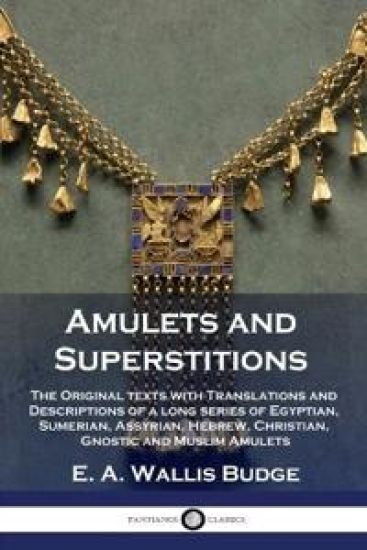
First Published in 2001. Everywhere that excavations of ancient sites, temples and tombs have been carried out, the objects most frequently brought to light are amulets and talismans. The use of these objects is not confined to anyone place, people and period - they are universal, reflecting a belief in magic which is as old as humankind and continues today. Amulets and talismans have always been used for protection against enemies and the evil eye, to attract love and to cast spells of all kinds. This remarkable work – both scholarly and highly readable - contains the original texts with translations and descriptions of key Egyptian, Sumerian, Assyrian, Hebrew, Christian, Gnostic and Muslim amulets and magical devices and figures. Among the subjects dealt with are ring amulets; the protective and therapeutic qualities of gemstones; the importance of colour, shape and form in amulets; the Kabbalistic names and signs, stones of the planets and their influences, mystical numbers, lucky and unlucky days and contracts with the devil. This is a rich resource for all those interested in ancient wisdom and timeless practices.

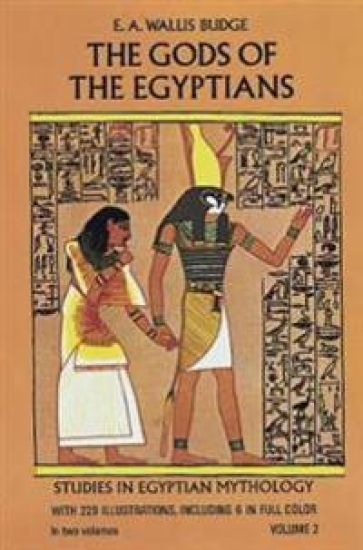
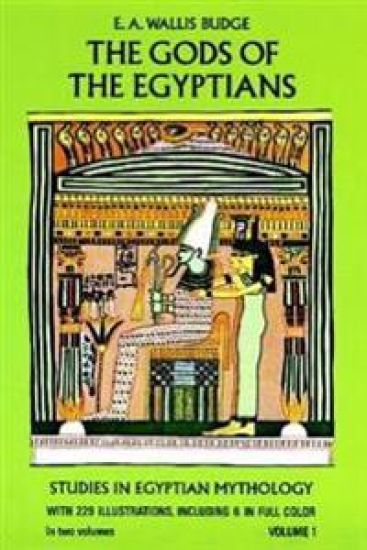
Provides definitive coverage of the ancient Egyptian gods, mythological figures, religious cults, priesthoods, and esoteric practices and beliefs
Amulets and Superstitions
E a Wallis Budge
Pantianos Classics
1930
pokkari
Halvin toimitettuna 27,30 €
In this illustrated study, renowned Egyptologist E. A. Wallis Budge investigates amulets of ancient civilizations, revealing their cultural and religious significance. A stunning and thorough investigation, Amulets and Superstitions seeks to demystify the jewelry worn or displayed by ancient peoples. Some were everyday charms worn widely, while others are exquisite crafts made of precious metals, reserved for royalty or nobility. Their symbols reflected aspects of social and cultural life, such as the importance of good fortune or fertility. It was common for such amulets to be worn in reverence to the ancient Gods, and to display an important deity or symbol of faith. This thread is identified across the Egyptian, Gnostic, Hebrew, Phoenician and other ancient peoples. Some jewelry is carved with certain numbers or peculiar symbols, each signifying a particular meaning and importance to the ancients of yore. E. A. Wallis Budge was one of the leading figures of ancient history in the early 20th century, writing numerous books and researches at an exciting time of numerous discoveries involving Ancient Egypt and Middle-Eastern civilizations. This work was published in 1930, and is imbued by decades of the author's accumulated experience and knowledge.