Kirjojen hintavertailu – 12 903 725 kirjaa ja 27 kauppaa
Kirjailija
E. Adamson Hoebel
Kirjat ja teokset yhdessä paikassa: 4 kirjaa, julkaisuja vuosilta 1987–2013, suosituimpiin kuuluu The Kalingas: Their Institutions and Custom Law. Vertaile teosten hintoja ja tarkista saatavuus suomalaisista kirjakaupoista.
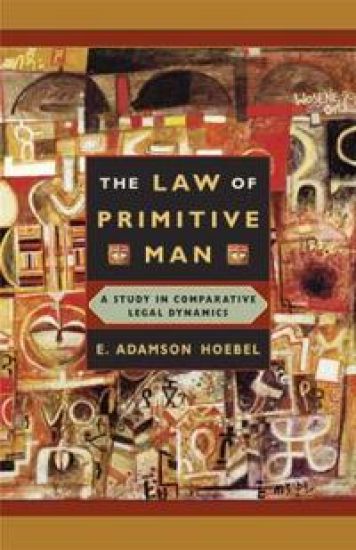
A classic work in the anthropology of law, this book offered one of the first ambitiously conceived analyses of the fundamental rights and duties that are treated as law among nonliterate peoples (labeled "primitive" at the time of the original publication). The heart of the book is a description and analysis of the law of five societies: the Eskimo; the Ifugao of northern Luzon in the Philippines; the Comanche, Kiowa, and Cheyenne tribes of the western plains of the United States; the Trobriand Islanders of the southwest Pacific; and the Ashanti of western Africa. Hoebel's lucid analysis reveals the variety and complexity of these societies' political and legal institutions. It emphasizes their use of due process in adjudication and enforcement and highlights the importance of general explicit standards of conduct in these societies. In offering these detailed case studies of societies studied by other anthropologists, and in outlining an influential approach to the subject, it remains an illuminating book for both scholars and students.
The fierce bands of Comanche Indians, on the testimony of their contemporaries, both red and white, numbered some of the most splendid horsemen the world has ever produced. Often the terror of other tribes, who, on finding a Comanche footprint in the Western plains country, would turn and go in the other direction, they were indeed the Lords of the South Plains. For more than a century and a half, since they had first moved into the Southwest from the north, the Comanches raided and pillaged and repelled all efforts to encroach on their hunting grounds. They decimated the pueblo of Pecos, within thirty miles of Santa Fé. The Spanish frontier settlements of New Mexico were happy enough to let the raiding Comanches pass without hindrance to carry their terrorizing forays into Old Mexico, a thousand miles down to Durango. The Comanches fought the Texans, made off with their cattle, burned their homes, and effectively made their own lands unsafe for the white settlers. They fought and defeated at one time or another the Utes, Pawnees, Osages, Tonkawas, Apaches, and Navahos. These were ""The People,"" the spartans of the prairies, the once mighty force of Comanches, a surprising number of whom survive today. More than twenty-five hundred live in the midst of an alien culture which as grown up around them. This book is the story of that tribe - the great traditions of the warfare, life, and institutions of another century that are today vivid memories among its elders. Despite their prolonged resistance, the Comanches, too, had to ""come in."" On a sultry summer day in June 1875, a small band of starving tribesmen straggled in to Fort Sill, near the Wichita Mountains in what is now the southwestern part of the state of Oklahoma. There they surrendered to the military authorities. So ended the reign of the Comanches on the southwestern frontier. Their horses had been captured and destroyed; the buffalo were gone; most of their tipis had been burned. They had held out to the end, but the time had now come for them to submit to the United States government demands.