Kirjailija
E Keble Chatterton
Kirjat ja teokset yhdessä paikassa: 65 kirjaa, julkaisuja vuosilta 2006–2026, suosituimpiin kuuluu The Old East Indiamen. Vertaile teosten hintoja ja tarkista saatavuus suomalaisista kirjakaupoista.
Nimi esiintyy myös muodoissa: E. Keble Chatterton
65 kirjaa
Kirjojen julkaisuvuodet: 2006–2026.
"Daring Deeds of Famous Pirates" is a book written by E. Keble Chatterton. Published in 1912, this non-fiction work explores the lives and adventures of some of the most notorious pirates in history. In "Daring Deeds of Famous Pirates," E. Keble Chatterton takes readers on a thrilling journey through the Golden Age of Piracy, which spanned from the late 17th century to the early 18th century. The book delves into the exploits of famous pirates such as Blackbeard, Captain Kidd, Anne Bonny, and many others, providing accounts of their daring raids, battles, and legendary treasures. Chatterton's writing combines historical research with vivid storytelling, bringing to life the fascinating and often brutal world of piracy on the high seas. The book explores the motivations, tactics, and fates of these pirates, as well as the efforts by naval authorities to combat piracy during this era. For readers interested in maritime history, adventure tales, and the colourful characters of the pirate world, "Daring Deeds of Famous Pirates" offers an engaging and informative exploration of a captivating period in history. It provides a glimpse into the lives of these infamous figures and the enduring allure of pirate lore.
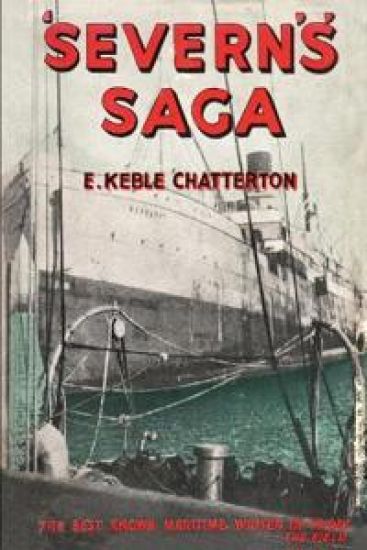
Keble Chatterton turns his attention to the history of HMS Severn, a British monitor that duelled with the Konigsberg in the Rufijiand and also took part in the attack on Tanga and other operations in East Africa until the end of the war. Based on interviews with many of the protagonists and original manuscripts, both British and German, this is the story of a ship whose five-year career was packed tight with action from start to finish. HMS Severn was a Humber-class monitor of the Royal Navy. Originally built by Vickers for Brazil, she was purchased by the Royal Navy in 1914 on the outbreak of the First World War along with her sister ships Humber and Mersey. She had been christened Solimoes by the Brazilians, but was renamed by the British. The three ships were the first of a new type of specialised shore-bombardment warships. As a result of her shallow draught, she was very unmanoeuvrable and unseaworthy in open waters in anything more than a Force 5 wind. Severn had a relatively successful career during the First World War with at least three engagements. At the Battle of the Yser in 1914, off the coast of Belgium, she bombarded German troops as well as artillery positions. On 10 October 1914, she survived an attack by the submarine U-8 when a torpedo passed under the shallow-draught vessel. In early 1915, the twin turret was removed and replaced by two shielded single 6-inch guns fore and aft. In July 1915, the monitor was towed to the Rufiji River delta in German East Africa where she and Mersey then assisted in the destruction of the German light cruiser K nigsberg. She continued to serve on the East Africa station until 1918 and after a long refit in Alexandria, also served on the lower Danube until March 1919. She was sold for breaking up on 9 May 1921 to Thos. W. Ward, of Preston, and arrived at their yards on 23 March 1923. Keble Chatterton is unquestionably one of the most important and vivid nautical authors of the past century, using both first-hand accounts from the people that were there at the time and having the opportunity to access to official documents. Chatterton recorded the maritime history of Britain at its most momentous point of change, from sail to steam, from the advent of the submarine to the carrier.
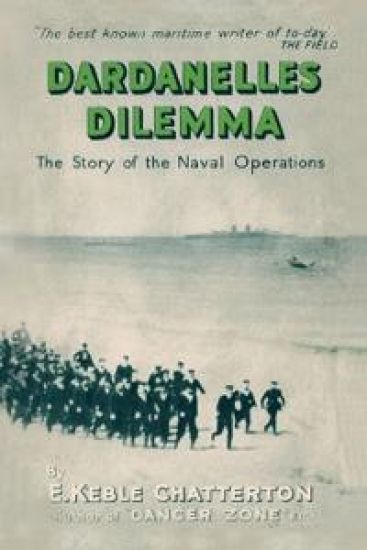
In his vivid writing style, Keble Chatterton gives a full and well-illustrated history of a naval operation that was plagued by inept planning and command. A valuable source for those interested in the naval and seafaring aspect of the attempt to knock Germany's ally, Turkey, out of World War I, originally published in 1935, this is an authentic account that uses Official records with officers' spoken accounts and their personal diaries. These give the modern reader a detailed picture, impossible to gather today, due to the passage of time that places it no longer within living memory.
King's Cutters and Smugglers 1700-1855, a classic since it was first published. Has been considered important throughout the human history, and so that this work is never forgotten we have made efforts in its preservation by republishing this book in a modern format for present and future generations. This whole book has been reformatted, retyped and designed. These books are not made of scanned copies and hence the text is clear and readable.
Sailing ships; the story of their development from the earliest times to the present day
E Keble Chatterton
Alpha Edition
2020
pokkari
This book has been considered by academicians and scholars of great significance and value to literature. This forms a part of the knowledge base for future generations. So that the book is never forgotten we have represented this book in a print format as the same form as it was originally first published. Hence any marks or annotations seen are left intentionally to preserve its true nature.
The story of the British navy from the earliest times to the present day
E Keble Chatterton
Alpha Edition
2019
pokkari
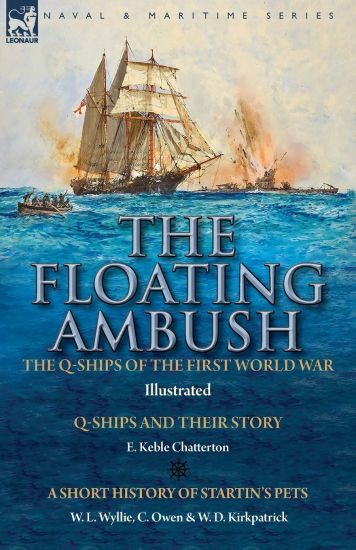
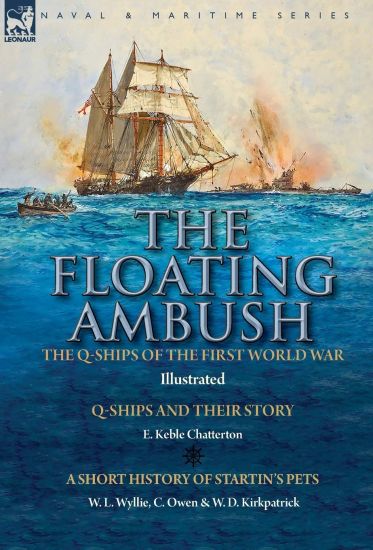
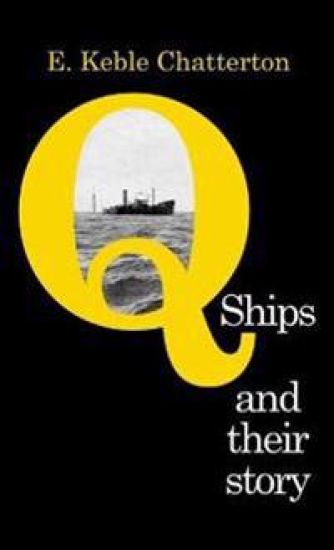
Based on interviews with many of the protagonists this is the story of the Q-Ship, also known as Q-Boats, decoy vessels, special service ships, or mystery ships. They were heavily armed merchant ships with concealed weaponry, designed to lure submarines into making surface attacks. This gave Q-Ships the chance to open fire and sink them.
Plunging through the ocean waves with guns at the ready, the surface raiders were a disparate assemblage of ships. collected to intercept enemy supplies during the Great War, they plundered merchant vessels; boarding or sinking them for their resources. He had the Admiralty's permission to examine the appropriate documents in its archives.
Edward Keble Chatterton (1878-1944) was a sailor and prolific writer from Sheffield. His voyages across the English Channel, to the Netherlands, around the Mediterranean and through the French canals led to many articles and books. Joining the R. N. V. R. at the outbreak of the Great War he commanded a motor launch flotilla, leaving the service as a Lieutenant Commander. In 1918 he was appointed to the Naval section of the Official History Committee, where he worked until 1922. Keble Chatterton is unquestionably one of the most important and vivid nautical authors of the past century using both first hand accounts from the people that were there at the time and having the opportunity to access to official documents Chatterton recorded the maritime history of Britain at its most momentous point of change, from sail to steam, from the advent of the submarine to the carrier. Based on interviews with many of the protagonists this is the story of the Q-Ship, also known as Q-Boats, decoy vessels, special service ships, or mystery ships. They were heavily armed merchant ships with concealed weaponry, designed to lure submarines into making surface attacks. This gave Q-Ships the chance to open fire and sink them.
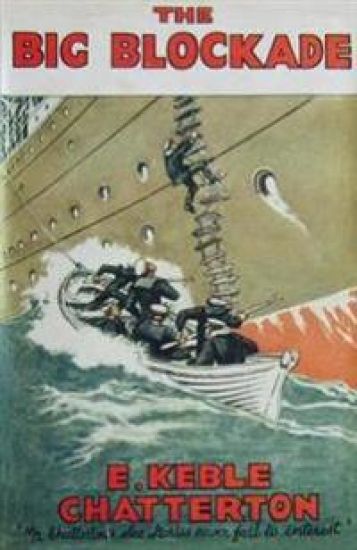
Many historians attribute the sudden collapse of Germany in 1918 not to defeats on the battlefields of the Western Front but to the disastrous cumulative effects of the British blockade of Germany's ports and coastline. Keble Chatterton pieces together the tightening blockade from letters, conversations and diaries of those who saw action.
Reproduction of the original: Q-Ships and their Story by E. Keble Chatterton
Reproduction of the original: The Old East Indiamen by E. Keble Chatterton