
Kirjailija
Earl Derr Biggers
Kirjat ja teokset yhdessä paikassa: 171 kirjaa, julkaisuja vuosilta 2003–2026, suosituimpiin kuuluu The Agony Column. Vertaile teosten hintoja ja tarkista saatavuus suomalaisista kirjakaupoista.
171 kirjaa
Kirjojen julkaisuvuodet: 2003–2026.

On January 24, 1925, The Saturday Evening Post began its serialization of the book that would make Earl Derr Biggers famous: The House Without a Key, the first of the Charlie Chan series. Chan, the first Chinese detective in literature, was modeled after Chang Apana, a real-life police detective in Honolulu. Behind That Curtain is the third novel in the Charlie Chan series by Earl Derr Biggers, published in 1928. The story follows the famous Chinese-American detective Charlie Chan as he tackles a complex and intriguing case that spans continents. The plot begins in San Francisco, where Sir Frederic Bruce, a retired Scotland Yard detective, is found murdered shortly after he reveals that he is close to solving a case involving a long-missing woman. As Charlie Chan investigates, he discovers that the mystery reaches far beyond San Francisco, with connections to London and India. Chan must navigate through a web of deceit, hidden identities, and international intrigue to uncover the truth. The novel is celebrated for its intricate plot, rich character development, and the seamless blending of humor and suspense. Charlie Chan's keen intellect, cultural insights, and methodical approach to solving the case make this a captivating and enjoyable read for fans of classic detective fiction. Earl Derr Biggers ultimately wrote six Charlie Chan mystery novels: The House Without A Key, The Chinese Parrot, Behind That Curtain, The Black Camel, Charlie Chan Carries On, and Keeper of the Keys. Each of these books is wonderfully told, and through the later films, radio shows, comics, and television series, Charlie Chan became an enduring popular figure.

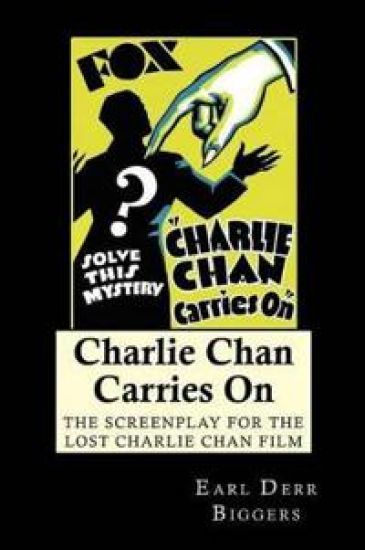
On January 24, 1925, The Saturday Evening Post began its serialization of the book that would make Earl Derr Biggers famous: The House Without a Key, the first of the Charlie Chan series. Chan, the first Chinese detective in literature, was modeled after Chang Apana, a real-life police detective in Honolulu. Charlie Chan Carries On, published in 1930, is the fifth novel in the Charlie Chan series. It follows the famous Chinese-American detective Charlie Chan as he investigates a murder that occurs during a round-the-world tour. The story begins in London, where a wealthy American businessman is found dead in his hotel room. As the investigation unfolds, Chan travels across multiple continents, following clues and questioning suspects from various walks of life. The novel is known for its intricate plot, rich character development, and the blend of humor and suspense that characterizes the series. Earl Derr Biggers ultimately wrote six Charlie Chan mystery novels: The House Without A Key, The Chinese Parrot, Behind That Curtain, The Black Camel, Charlie Chan Carries On, and Keeper of the Keys. Each of these books is wonderfully told, and through the later films, radio shows, comics, and television series, Charlie Chan became an enduring popular figure.

On January 24, 1925, The Saturday Evening Post began its serialization of the book that would make Earl Derr Biggers famous: The House Without a Key, the first of the Charlie Chan series. Chan, the first Chinese detective in literature, was modeled after Chang Apana, a real-life police detective in Honolulu. Charlie Chan Carries On, published in 1930, is the fifth novel in the Charlie Chan series. It follows the famous Chinese-American detective Charlie Chan as he investigates a murder that occurs during a round-the-world tour. The story begins in London, where a wealthy American businessman is found dead in his hotel room. As the investigation unfolds, Chan travels across multiple continents, following clues and questioning suspects from various walks of life. The novel is known for its intricate plot, rich character development, and the blend of humor and suspense that characterizes the series. Earl Derr Biggers ultimately wrote six Charlie Chan mystery novels: The House Without A Key, The Chinese Parrot, Behind That Curtain, The Black Camel, Charlie Chan Carries On, and Keeper of the Keys. Each of these books is wonderfully told, and through the later films, radio shows, comics, and television series, Charlie Chan became an enduring popular figure.

On January 24, 1925, The Saturday Evening Post began its serialization of the book that would make Earl Derr Biggers famous: The House Without a Key, the first of the Charlie Chan series. Chan, the first Chinese detective in literature, was modeled after Chang Apana, a real-life police detective in Honolulu. Charlie Chan in Keeper of the Keys is the sixth and final novel in the Charlie Chan series. Published in 1932, the story features the Chinese-American detective Charlie Chan solving another intricate mystery. In this novel, Chan is called to investigate the murder of a wealthy and influential woman named Ellen Landini. The murder takes place in her secluded estate, where a variety of characters, each with their own secrets and motives, are gathered. As Chan delves deeper into the case, he uncovers hidden relationships, old grudges, and surprising twists. The novel showcases Biggers' skill in creating engaging characters and suspenseful plots, and it is celebrated for its blend of mystery and cultural insight. Earl Derr Biggers ultimately wrote six Charlie Chan mystery novels: The House Without A Key, The Chinese Parrot, Behind That Curtain, The Black Camel, Charlie Chan Carries On, and Keeper of the Keys. Each of these books is wonderfully told, and through the later films, radio shows, comics, and television series, Charlie Chan became an enduring popular figure.
On January 24, 1925, The Saturday Evening Post began its serialization of the book that would make Earl Derr Biggers famous: The House Without a Key, the first of the Charlie Chan series. Chan, the first Chinese detective in literature, was modeled after Chang Apana, a real-life police detective in Honolulu. Behind That Curtain is the third novel in the Charlie Chan series by Earl Derr Biggers, published in 1928. The story follows the famous Chinese-American detective Charlie Chan as he tackles a complex and intriguing case that spans continents. The plot begins in San Francisco, where Sir Frederic Bruce, a retired Scotland Yard detective, is found murdered shortly after he reveals that he is close to solving a case involving a long-missing woman. As Charlie Chan investigates, he discovers that the mystery reaches far beyond San Francisco, with connections to London and India. Chan must navigate through a web of deceit, hidden identities, and international intrigue to uncover the truth. The novel is celebrated for its intricate plot, rich character development, and the seamless blending of humor and suspense. Charlie Chan's keen intellect, cultural insights, and methodical approach to solving the case make this a captivating and enjoyable read for fans of classic detective fiction. Earl Derr Biggers ultimately wrote six Charlie Chan mystery novels: The House Without A Key, The Chinese Parrot, Behind That Curtain, The Black Camel, Charlie Chan Carries On, and Keeper of the Keys. Each of these books is wonderfully told, and through the later films, radio shows, comics, and television series, Charlie Chan became an enduring popular figure.
On January 24, 1925, The Saturday Evening Post began its serialization of the book that would make Earl Derr Biggers famous: The House Without a Key, the first of the Charlie Chan series. Chan, the first Chinese detective in literature, was modeled after Chang Apana, a real-life police detective in Honolulu. The House Without a Key is the first novel in the Charlie Chan series by Earl Derr Biggers, published in 1925. The story introduces the Chinese-American detective Charlie Chan, who works for the Honolulu Police Department. The novel is set in the exotic locale of Hawaii and follows the investigation of the murder of a wealthy and prominent Bostonian named Dan Winterslip. Winterslip is found dead in his home, and suspicion falls on various members of his family and household, each with their own secrets and potential motives. Earl Derr Biggers ultimately wrote six Charlie Chan mystery novels: The House Without A Key, The Chinese Parrot, Behind That Curtain, The Black Camel, Charlie Chan Carries On, and Keeper of the Keys. Each of these books is wonderfully told, and through the later films, radio shows, comics, and television series, Charlie Chan became an enduring popular figure.
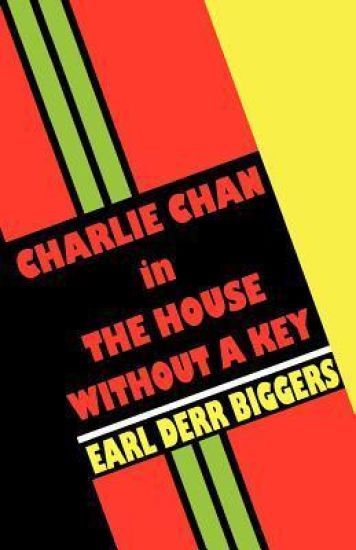
On January 24, 1925, The Saturday Evening Post began its serialization of the book that would make Earl Derr Biggers famous: The House Without a Key, the first of the Charlie Chan series. Chan, the first Chinese detective in literature, was modeled after Chang Apana, a real-life police detective in Honolulu. The House Without a Key is the first novel in the Charlie Chan series by Earl Derr Biggers, published in 1925. The story introduces the Chinese-American detective Charlie Chan, who works for the Honolulu Police Department. The novel is set in the exotic locale of Hawaii and follows the investigation of the murder of a wealthy and prominent Bostonian named Dan Winterslip. Winterslip is found dead in his home, and suspicion falls on various members of his family and household, each with their own secrets and potential motives. Earl Derr Biggers ultimately wrote six Charlie Chan mystery novels: The House Without A Key, The Chinese Parrot, Behind That Curtain, The Black Camel, Charlie Chan Carries On, and Keeper of the Keys. Each of these books is wonderfully told, and through the later films, radio shows, comics, and television series, Charlie Chan became an enduring popular figure.

On January 24, 1925, The Saturday Evening Post began its serialization of the book that would make Earl Derr Biggers famous: The House Without a Key, the first of the Charlie Chan series. Chan, the first Chinese detective in literature, was modeled after Chang Apana, a real-life police detective in Honolulu. The Black Camel is the fourth novel in the Charlie Chan series by Earl Derr Biggers, published in 1929. The story takes place in Honolulu and centers around the murder of a famous Hollywood actress named Shelah Fane, who is in Hawaii for the filming of a movie. The actress is found dead at a luxurious beachfront estate, and suspicion falls on various members of the film crew and other individuals with whom she had close ties. Charlie Chan, the astute and methodical Chinese-American detective from the Honolulu Police Department, is called to solve the mystery. As Chan delves deeper into the case, he uncovers a series of complex relationships, hidden motives, and past secrets that all play a part in the murder. The novel is noted for its vivid portrayal of 1920s Hawaii, its engaging characters, and its well-crafted plot, which keeps readers guessing until the endEarl Derr Biggers ultimately wrote six Charlie Chan mystery novels: The House Without A Key, The Chinese Parrot, Behind That Curtain, The Black Camel, Charlie Chan Carries On, and Keeper of the Keys. Each of these books is wonderfully told, and through the later films, radio shows, comics, and television series, Charlie Chan became an enduring popular figure.



Step into the heart of the American South with William Faulkner's ""Light in August,"" a gripping novel that captures the complexities of identity, race, and longing in a world marked by stark contrasts and moral dilemmas. This captivating story, set in Faulkner's iconic Yoknapatawpha County, Mississippi, interweaves the lives of its memorable characters: Joe Christmas, a man haunted by his mixed heritage and a violent past; Lena Grove, a resilient and determined young woman in search of the father of her unborn child; and Reverend Gail Hightower, a disgraced minister grappling with his own ghosts. Faulkner's masterful narrative takes readers on a journey through a landscape both beautiful and brutal, exploring themes o f isolation, the human condition, and the relentless pursuit of redemption. His rich, poetic prose and deep psychological insights paint a vivid portrait of a society wrestling with its own conscience. ""Light in August"" is not just a novel, it's a profound exploration of the human spirit. Faulkner, a Nobel Prize-winning author, challenges and engages readers with his signature blend of deep, complex characters and multilayered storytelling. This book is a must-read for anyone who appreciates the art of literature at its finest-a timeless classic that continues to resonate with readers around the world. Discover the power of Faulkner's words in ""Light in August,"" where every page illuminates the depths of human experience.


Reproduction of the original. The publishing house Megali specialises in reproducing historical works in large print to make reading easier for people with impaired vision.

Reproduction of the original. The publishing house Megali specialises in reproducing historical works in large print to make reading easier for people with impaired vision.