Kirjailija
Earl F Ziemke
Kirjat ja teokset yhdessä paikassa: 12 kirjaa, julkaisuja vuosilta 2002–2024, suosituimpiin kuuluu U.S. Army in the Occupation of Germany, 1944-1946, Part 1. Vertaile teosten hintoja ja tarkista saatavuus suomalaisista kirjakaupoista.
Nimi esiintyy myös muodoissa: Earl F. Ziemke
12 kirjaa
Kirjojen julkaisuvuodet: 2002–2024.
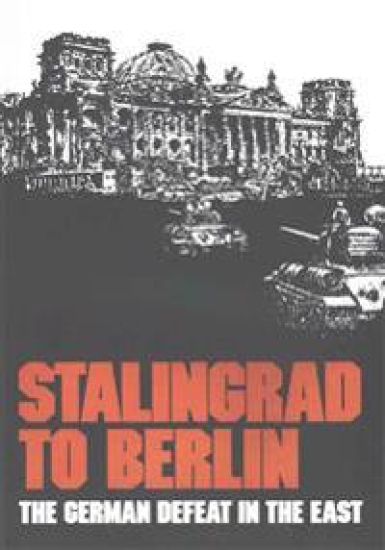
Stalingrad to Berlin: The German Defeat in the East
Earl F. Ziemke
Createspace Independent Publishing Platform
2015
nidottu
Halvin toimitettuna 27,40 €
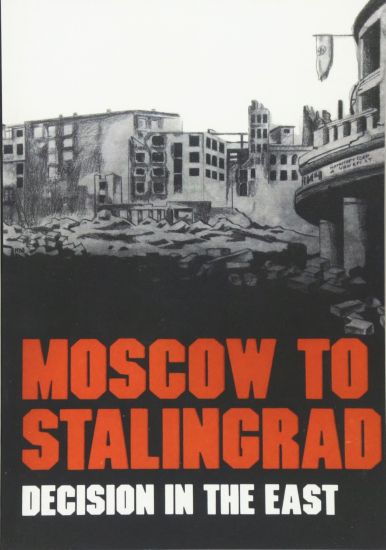
Moscow to Stalingrad: Decision in the East
Magna E. Bauer; Earl F. Ziemke
Createspace Independent Publishing Platform
2015
nidottu
Halvin toimitettuna 28,10 €
"Moscow to Stalingrad: Decision in the East" is the second to be completed in a projected three-volume history of the German-Soviet conflict in World War II. The first, "Stalingrad to Berlin: The German Defeat in the East", covered the Soviet Army's liberation of its own territory and its drive across central and southeastern Europe. In the present volume, the German and Soviet forces initially confront each other on the approaches to Moscow, Leningrad, and Rostov in the late-1941 battles that produced the first major German setbacks of the war and gave the Soviet troops their first tastes of success. Later, the pendulum swings to the Germans' side, and their armies race across the Ukraine and into the Caucasus during the summer of 1942. In the course of a year, the Soviet Command goes from offensive to defensive and, finally, at Stalingrad, decisively to the offensive- meanwhile, frequently in desperate circumstances, building the strength and proficiency mat will enable it to mount the relentless thrusts of the succeeding years. In tracing the shifting Soviet and German fortunes, the author has had full access to the German military records, most of which fell into American and British hands. He has also made extensive use of the Soviet war histories, memoirs, and periodical literature. The result is both a panorama of battles, among them some of the greatest in the history of warfare, and an inquiry into the forces in war that shape and test the military power of nations.
Stalingrad to Berlin
Earl F. Ziemke
Books Express Publishing
2011
pokkari
Halvin toimitettuna 37,70 €
Army Historical Series. CMH Pub. 30-5-1. Describes the German-Soviet conflict in World War II and the events that resulted in the Soviet Union becoming a dominant military power in Europe. Frist published in 1968. Illustrated.
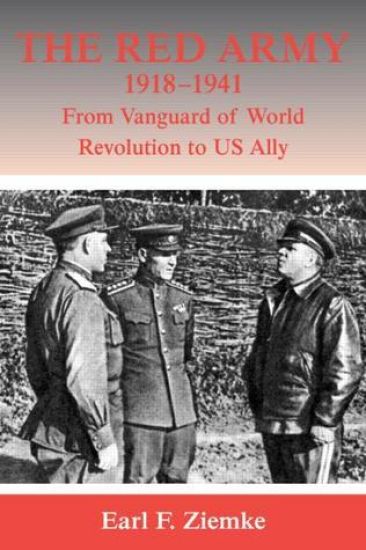
Supported in large part by evidence released after the collapse of the Soviet Union, this book follows the career of the Red Army from its birth in 1918 as the designated vanguard of world revolution to its affiliation in 1941 with 'the citadel of capitalism', the United States. Effectiveness of leadership and military doctrine are particular concerns here, and Josef Stalin is the dominant personality. On the basis of the Russian Civil War (1918-20), the Red Army began to bill itself as 'an army of a new type', inherently superior to all others. However, in late 1920, the Poles trounce it soundly. Later, Soviet intervention in the Spanish Civil War (1936-39) reveals widespread obsolescence in armament and equipment. The Nazi-Soviet Pact of August 1939 gives Germany and the USSR a free hand to act against Poland. However, slack performance by the Red Army in the unopposed occupation of eastern Poland and the bungled war with Finland in the winter of 1939-40 necessitate sweeping military reforms. Germany was an enemy in 1918, ally in the 1920s, enemy again in 1933, ally again in 1939, and the enemy once more in 1941, following the German invasion on 22 June 1941. This brings on a catastrophe that by the year's end has consumed nearly the entire pre-invasion Red Army. The United States' entry into the war on 7 December 1941 and the Red Army's subsequent recovery raise the question: Who won the Second World War?
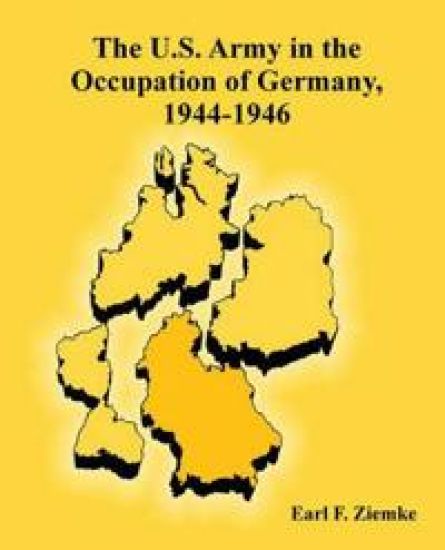
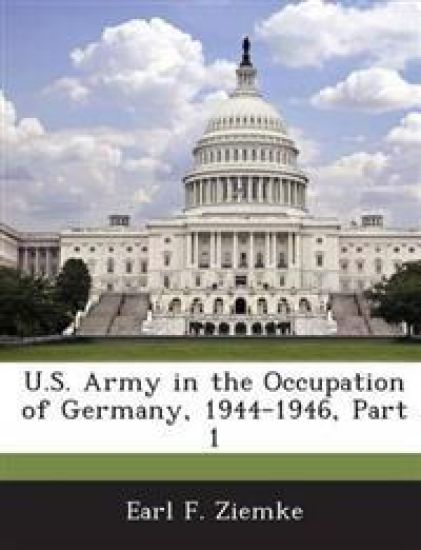
The U.S. Army in the Occupation of Germany, 1944-1946
Earl F Ziemke
University Press of the Pacific
2005
pokkari
Supported in large part by evidence released after the collapse of the Soviet Union, this book follows the career of the Red Army from its birth in 1918 as the designated vanguard of world revolution to its affiliation in 1941 with 'the citadel of capitalism', the United States. Effectiveness of leadership and military doctrine are particular concerns here, and Josef Stalin is the dominant personality. On the basis of the Russian Civil War (1918-20), the Red Army began to bill itself as 'an army of a new type', inherently superior to all others. However, in late 1920, the Poles trounce it soundly. Later, Soviet intervention in the Spanish Civil War (1936-39) reveals widespread obsolescence in armament and equipment. The Nazi-Soviet Pact of August 1939 gives Germany and the USSR a free hand to act against Poland. However, slack performance by the Red Army in the unopposed occupation of eastern Poland and the bungled war with Finland in the winter of 1939-40 necessitate sweeping military reforms. Germany was an enemy in 1918, ally in the 1920s, enemy again in 1933, ally again in 1939, and the enemy once more in 1941, following the German invasion on 22 June 1941. This brings on a catastrophe that by the year's end has consumed nearly the entire pre-invasion Red Army. The United States' entry into the war on 7 December 1941 and the Red Army's subsequent recovery raise the question: Who won the Second World War?