Kirjojen hintavertailu – 12 903 725 kirjaa ja 27 kauppaa

Kirjailija

Eddy Street

Kirjat ja teokset yhdessä paikassa: 6 kirjaa, julkaisuja vuosilta 1994–2009, suosituimpiin kuuluu Brief Therapeutic Consultations. Vertaile teosten hintoja ja tarkista saatavuus suomalaisista kirjakaupoista.

6 kirjaa

Kirjojen julkaisuvuodet: 1994–2009.

Family Therapy

Family Therapy

Mark Rivett; Eddy Street

Routledge
2009
sidottu
Family therapy is increasingly recognised as one of the evidence based psychotherapies. In contemporary therapeutic practice, family therapy is helpful across the age span and for distress caused by family conflict, trauma and mental health difficulties. Because of this, many psychotherapists integrate elements of family therapy within their approaches. Family Therapy: 100 Key Points and Techniques provides a concise and jargon-free guide to 100 of the fundamental ideas and techniques of this approach. Divided into helpful sections, it covers:Family therapy theoryEssential family therapy practiceUsing family therapy techniquesCommon challenges in family therapyContemporary debates and issuesSelf issues for family therapists. Family Therapy: 100 Key Points and Techniques is an invaluable resource for psychotherapists and counsellors in training and in practice. As well as appealing to established family therapists, this latest addition to the 100 Key Points series will also find an audience with other mental health professionals working with families and interested in learning more about family therapy techniques.

Family Therapy

Family Therapy

Mark Rivett; Eddy Street

Routledge
2009
nidottu
Family therapy is increasingly recognised as one of the evidence based psychotherapies. In contemporary therapeutic practice, family therapy is helpful across the age span and for distress caused by family conflict, trauma and mental health difficulties. Because of this, many psychotherapists integrate elements of family therapy within their approaches. Family Therapy: 100 Key Points and Techniques provides a concise and jargon-free guide to 100 of the fundamental ideas and techniques of this approach. Divided into helpful sections, it covers:Family therapy theoryEssential family therapy practiceUsing family therapy techniquesCommon challenges in family therapyContemporary debates and issuesSelf issues for family therapists. Family Therapy: 100 Key Points and Techniques is an invaluable resource for psychotherapists and counsellors in training and in practice. As well as appealing to established family therapists, this latest addition to the 100 Key Points series will also find an audience with other mental health professionals working with families and interested in learning more about family therapy techniques.

Family Therapy in Focus

Family Therapy in Focus

Mark Rivett; Eddy Street

SAGE Publications Inc
2003
sidottu
Drawing on many years' experience in practice, teaching and research, Mark Rivett and Eddy Street present philosophical, sociological and empirical views of family therapy. Balancing the perceived benefits against the potential limitations, they pose questions, which challenge those within the profession to think hard about their role. } does family therapy work? } can those most in need really be helped? } is family therapy a means of social control? } who does professionalization help? While most texts offer a straightforward and uncritical perspective, in contrast Family Therapy in Focus aims to stimulate debate among practitioners and to help trainees adopt a more reflective and critical attitude towards their own professional development and the development of their profession.
Family Therapy in Focus

Family Therapy in Focus

Mark Rivett; Eddy Street

SAGE Publications Inc
2002
nidottu
Drawing on many years' experience in practice, teaching and research, Mark Rivett and Eddy Street present philosophical, sociological and empirical views of family therapy. Balancing the perceived benefits against the potential limitations, they pose questions, which challenge those within the profession to think hard about their role. } does family therapy work? } can those most in need really be helped? } is family therapy a means of social control? } who does professionalization help? While most texts offer a straightforward and uncritical perspective, in contrast Family Therapy in Focus aims to stimulate debate among practitioners and to help trainees adopt a more reflective and critical attitude towards their own professional development and the development of their profession.
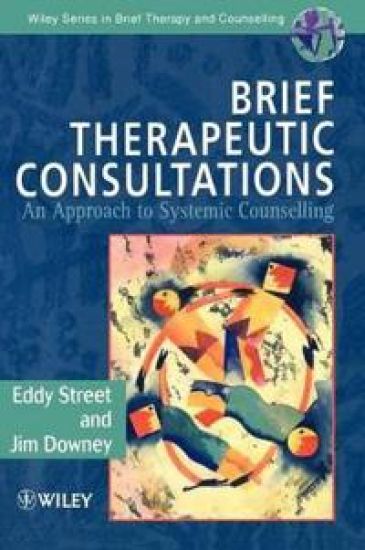
Brief Therapeutic Consultations

Brief Therapeutic Consultations

Eddy Street; Jim Downey

John Wiley Sons Inc
1996
nidottu
How do clients perceive the counselling process? What do they require from it? Counsellors and therapists are increasingly aware of the need to bring the client’s viewpoint into the therapeutic relationship. Both the effectiveness of the process, and the need to meet the client’s needs in a service context, have demanded more awareness of the client’s perceptions and needs. This book provides a practical framework which describes how to construct a client—counsellor relationship which is brief, collaborative and consultative in purpose but therapeutic in form. Counsellors, social workers, nurses, psychologists, psychiatrists and all professionals engaged in counselling activities, whether in a workplace or mental health care context, will welcome this essential and practical guide to more effective therapeutic consultations. Readers will also appreciate the concise overview of the theoretical basis of this approach. This book appears in the Wiley Series in Brief Therapy and Counselling Series Editor: Windy Dryden Goldsmiths College, University of London, UK
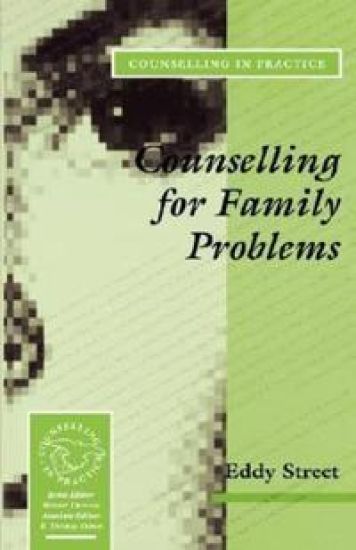
Counselling for Family Problems

Counselling for Family Problems

Eddy Street

SAGE Publications Ltd
1994
nidottu
In the course of their daily practice, counsellors in a wide variety of caring agencies often need to assist families in dealing with the problems they face. Eddy Street defines successful family counselling as a combination of a number of elements. He argues that it should: be in keeping with a family's strengths and style; offer empathic listening to each family member; maintain a perspective of the changing nature of family life; focus on clear and open communication; and deal in a problem-solving manner with the task in hand. He takes the reader step-by-step through these elements, outlining the necessary skills, and provides a clear understanding of the processes families have to go through in order to deal with the tasks that are set for them.