Kirjojen hintavertailu – 12 859 824 kirjaa ja 27 kauppaa

Kirjailija

Edith Wharton

Kirjat ja teokset yhdessä paikassa: 1 534 kirjaa, julkaisuja vuosilta 1913–2026, suosituimpiin kuuluu Box with four Summer Stories. Vertaile teosten hintoja ja tarkista saatavuus suomalaisista kirjakaupoista.

Nimi esiintyy myös muodoissa: Edith. Wharton

1 534 kirjaa

Kirjojen julkaisuvuodet: 1913–2026.

Fighting France; from Dunkerque to Belfort (1915). By: Edith Wharton (Illustrated).: World War, 1914-1918. (Personal narratives)
Edith Wharton ( born Edith Newbold Jones; January 24, 1862 - August 11, 1937) was an American novelist, short story writer, and designer. Wharton combined an insider's view of American aristocracy with a powerful prose style. Her novels and short stories realistically portrayed the lives and morals of the late nineteenth century, an era of decline and faded wealth. She won the Pulitzer Prize for Literature in 1921, and was the first woman to receive this honor. Wharton was acquainted with many of the well-known people of her day, both in America and in Europe, including President Theodore Roosevelt. Edith Wharton was born Edith Newbold Jones to George Frederic Jones and Lucretia Stevens Rhinelander at their brownstone at 14 West Twenty-third Street in New York City. She had two older brothers, Frederic Rhinelander, who was sixteen, and Henry Edward, who was eleven. She was baptized April 20, 1862, Easter Sunday, at Grace Church. To her friends and family she was known as "Pussy Jones." The saying "keeping up with the Joneses" is said to refer to her father's family. She was also related to the Rensselaers, the most prestigious of the old patroon families, who had received land grants from the former Dutch government of New York and New Jersey. She had a lifelong friendship with her niece, the landscape architect Beatrix Farrand of Reef Point in Bar Harbor, Maine. Wharton was born during the Civil War; she was three years old when the Confederate States surrendered. After the war, the family traveled extensively in Europe. From 1866 to 1872, the Jones family visited France, Italy, Germany, and Spain. During her travels, the young Edith became fluent in French, German, and Italian. At the age of ten, she suffered from typhoid fever while the family was at a spa in the Black Forest. After the family returned to the United States in 1872, they spent their winters in New York and their summers in Newport, Rhode Island. While in Europe, she was educated by tutors and governesses. She rejected the standards of fashion and etiquette that were expected of young girls at the time, which were intended to allow women to marry well and to be put on display at balls and parties. She considered these fashions superficial and oppressive. Edith wanted more education than she received, so she read from her father's library and from the libraries of her father's friends. Her mother forbade her to read novels until she was married, and Edith obeyed this command. Wharton began writing poetry and fiction as a young girl, and attempted to write her first novel at age eleven. At age 15, her first published work appeared, a translation of a German poem "Was die Steine Erz hlen" ("What the Stones Tell") by Heinrich Karl Brugsch, for which which she was paid $50. Her family did not want her name to appear in print, since writing was not considered a proper occupation for a society woman of her time. Consequently, the poem was published under the name of a friend's father, E. A. Washburn, a cousin of Ralph Waldo Emerson who supported women's education. He played a pivotal role in Edith's efforts to educate herself and encouraged her ambition to write professionally. In 1877, at the age of 15, she secretly wrote a 30,000 word novella "Fast and Loose." In 1878 her father arranged for a collection of two dozen original poems and five translations, Verses, to be privately published. In 1880 she had five poems published anonymously in the Atlantic Monthly, an important literary magazine. Despite these early successes, she was not encouraged by her family or her social circle, and though she continued to write, she did not publish anything more until her poem "The Last Giustiniani" was published in Scribner's Magazine in October 1889....

A motor-flight through France (1908). By: Edith Wharton (Illustrated).: France, Description and travel
Edith Wharton ( born Edith Newbold Jones; January 24, 1862 - August 11, 1937) was an American novelist, short story writer, and designer. Wharton combined an insider's view of American aristocracy with a powerful prose style. Her novels and short stories realistically portrayed the lives and morals of the late nineteenth century, an era of decline and faded wealth. She won the Pulitzer Prize for Literature in 1921, and was the first woman to receive this honor. Wharton was acquainted with many of the well-known people of her day, both in America and in Europe, including President Theodore Roosevelt. Edith Wharton was born Edith Newbold Jones to George Frederic Jones and Lucretia Stevens Rhinelander at their brownstone at 14 West Twenty-third Street in New York City. She had two older brothers, Frederic Rhinelander, who was sixteen, and Henry Edward, who was eleven. She was baptized April 20, 1862, Easter Sunday, at Grace Church. To her friends and family she was known as "Pussy Jones." The saying "keeping up with the Joneses" is said to refer to her father's family. She was also related to the Rensselaers, the most prestigious of the old patroon families, who had received land grants from the former Dutch government of New York and New Jersey. She had a lifelong friendship with her niece, the landscape architect Beatrix Farrand of Reef Point in Bar Harbor, Maine. Wharton was born during the Civil War; she was three years old when the Confederate States surrendered. After the war, the family traveled extensively in Europe. From 1866 to 1872, the Jones family visited France, Italy, Germany, and Spain. During her travels, the young Edith became fluent in French, German, and Italian. At the age of ten, she suffered from typhoid fever while the family was at a spa in the Black Forest. After the family returned to the United States in 1872, they spent their winters in New York and their summers in Newport, Rhode Island. While in Europe, she was educated by tutors and governesses. She rejected the standards of fashion and etiquette that were expected of young girls at the time, which were intended to allow women to marry well and to be put on display at balls and parties. She considered these fashions superficial and oppressive. Edith wanted more education than she received, so she read from her father's library and from the libraries of her father's friends. Her mother forbade her to read novels until she was married, and Edith obeyed this command. Wharton began writing poetry and fiction as a young girl, and attempted to write her first novel at age eleven. At age 15, her first published work appeared, a translation of a German poem "Was die Steine Erz hlen" ("What the Stones Tell") by Heinrich Karl Brugsch, for which which she was paid $50. Her family did not want her name to appear in print, since writing was not considered a proper occupation for a society woman of her time. Consequently, the poem was published under the name of a friend's father, E. A. Washburn, a cousin of Ralph Waldo Emerson who supported women's education. He played a pivotal role in Edith's efforts to educate herself and encouraged her ambition to write professionally. In 1877, at the age of 15, she secretly wrote a 30,000 word novella "Fast and Loose." In 1878 her father arranged for a collection of two dozen original poems and five translations, Verses, to be privately published. In 1880 she had five poems published anonymously in the Atlantic Monthly, an important literary magazine. Despite these early successes, she was not encouraged by her family or her social circle, and though she continued to write, she did not publish anything more until her poem "The Last Giustiniani" was published in Scribner's Magazine in October 1889....

Xingu

Xingu

Edith Wharton

Createspace Independent Publishing Platform
2017
nidottu
Full text. Mrs. Ballinger is one of the ladies who pursue Culture in bands, as though it were dangerous to meet alone. To this end she had founded the Lunch Club, an association composed of herself and several other indomitable huntresses of erudition. The Lunch Club, after three or four winters of lunching and debate, had acquired such local distinction that the entertainment of distinguished strangers became one of its accepted functions; in recognition of which it duly extended to the celebrated "Osric Dane," on the day of her arrival in Hillbridge, an invitation to be present at the next meeting.
Tales of Men and Ghosts

Tales of Men and Ghosts

Edith Wharton

Createspace Independent Publishing Platform
2017
nidottu
Tales of Men and Ghosts was published as a collection in 1910, though the first eight of the stories had earlier appeared in Scribner's and the last two in the Century Magazine. Despite the title, the men outnumber the ghosts, since only "The Eyes" and "Afterward" actually call on the supernatural. In only two of the stories are women the central characters, though elsewhere they play important roles. Wharton enjoys subjecting her subjects -- all of them American gentlemen and gentlewomen, in the conventional senses of the word -- to various moral tests and sometimes ironic tests. Some of the stories deal with the intellectual fashions of the day -- "The Blond Beast" basing itself, to some degree, on Nietzsche, and "The Debt" on variants of Darwinism. Though "Afterward" is set in England, and "The Letters" in France, the rest of the stories are squarely in Wharton's own New York city, rather than (say) in what she calls "the soul-deadening ugliness of the Middle West," thus avoiding the need to come to terms with what fashion-conscious New Yorkers still today call "fly-over country" for everything that lies between the west bank of the Hudson River and San Francisco Bay.
The Valley of Decision

The Valley of Decision

Edith Wharton

Createspace Independent Publishing Platform
2017
nidottu
Edith Wharton ( born Edith Newbold Jones; January 24, 1862 - August 11, 1937) was a Pulitzer Prize-winning American novelist, short story writer, and designer. She was nominated for the Nobel Prize in Literature in 1927, 1928 and 1930. Wharton combined her insider's view of America's privileged classes with a brilliant, natural wit to write humorous, incisive novels and short stories of social and psychological insight. She was well acquainted with many of her era's other literary and public figures, including Theodore Roosevelt. Edith Wharton was born Edith Newbold Jones to George Frederic Jones and Lucretia Stevens Rhinelander at their brownstone at 14 West Twenty-third Street in New York City. She had two much older brothers, Frederic Rhinelander, who was sixteen, and Henry Edward, who was eleven. She was baptized April 20, 1862, Easter Sunday, at Grace Church. To her friends and family she was known as "Pussy Jones." The saying "keeping up with the Joneses" is said to refer to her father's family. She was also related to the Rensselaer family, the most prestigious of the old patroon families. She had a lifelong lovely friendship with her Rhinelander niece, landscape architect Beatrix Farrand of Reef Point in Bar Harbor, Maine. Edith was born during the Civil War; she was three years old when the South surrendered. After the war, the family traveled extensively in Europe. From 1866 to 1872, the Jones family visited France, Italy, Germany, and Spain.
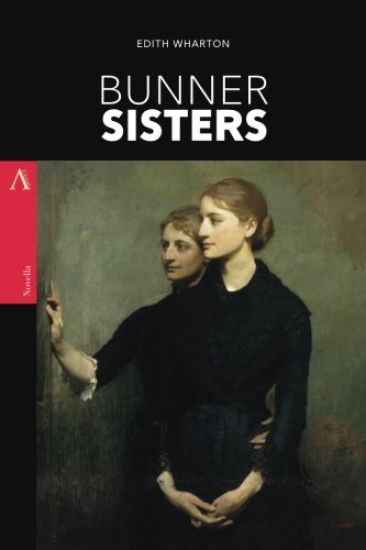
Bunner Sisters

Bunner Sisters

Edith Wharton

Createspace Independent Publishing Platform
2017
nidottu
Full text. The Bunner Sisters is the story of two sisters barely making ends meet in a small shop in their neighborhood. But they are happy with their companionship and their routine. Things change forever, and for the worse, when they meet a local clockmaker. Wharton reminds us that when you make poor choices, the results can be devastating, regardless of your status in society.
The Age of Innocence

The Age of Innocence

Edith Wharton

Createspace Independent Publishing Platform
2017
nidottu
The Age of Innocence centers on one society couple's impending marriage and the introduction of a scandalous woman whose presence threatens their happiness. Though the novel questions the assumptions and mores of turn of the century New York society, it never devolves into an outright condemnation of the institution. In fact, Wharton considered this novel an "apology" for the earlier, more brutal and critical, "The House of Mirth". Not to be overlooked is the author's attention to detailing the charms and customs of this caste. The novel is lauded for its accurate portrayal of how the nineteenth-century East Coast American upper class lived and this combined with the social tragedy earned Wharton a Pulitzer - the first Pulitzer awarded to a woman.
The Reef

The Reef

Edith Wharton

Createspace Independent Publishing Platform
2017
nidottu
The Reef is a 1912 novel by American writer Edith Wharton. It was published by D. Appleton & Company. It concerns a romance between a widow and her former lover. The novel takes place in Paris and rural France, but primarily features American characters. While writing the novel, Edith Wharton visited England, Sicily, and Germany, among other locations. In a letter to Bernard Berenson in November 1912, Wharton expressed regret regarding her novel, calling it a "poor miserable lifeless lump". She wrote, "Anyhow, remember it's not me, though I thought it was when I was writing it-& that next time I'm going to do something worthwhile "
The Reef

The Reef

Edith Wharton

Createspace Independent Publishing Platform
2017
nidottu
The Reef is a 1912 novel by American writer Edith Wharton. It concerns a romance between a widow and her former lover. The novel takes place in Paris and rural France, but primarily features American characters. While writing the novel, Edith Wharton visited England, Sicily, and Germany, among other locations. In a letter to Bernard Berenson in November 1912, Wharton expressed regret regarding her novel, calling it a "poor miserable lifeless lump". She wrote, "Anyhow, remember it's not me, though I thought it was when I was writing it-& that next time I'm going to do something worthwhile "
Ethan Frome

Ethan Frome

Edith Wharton

Createspace Independent Publishing Platform
2017
nidottu
Full text. Ethan Frome works his unproductive farm and struggles to maintain a bearable existence with his difficult, suspicious, and hypochondriac wife, Zeena. But when Zeena's vivacious cousin enters their household as a "hired girl", Ethan finds himself obsessed with her and with the possibilities for happiness she comes to represent. In one of American fiction's finest and most intense narratives, Edith Wharton moves this ill-starred trio toward their tragic destinies. Different in both tone and theme from Wharton's other works, Ethan Frome has become perhaps her most enduring and most widely read novel.