
Kirjailija
Edith Wharton
Kirjat ja teokset yhdessä paikassa: 1 534 kirjaa, julkaisuja vuosilta 1913–2026, suosituimpiin kuuluu Box with four Summer Stories. Vertaile teosten hintoja ja tarkista saatavuus suomalaisista kirjakaupoista.
Nimi esiintyy myös muodoissa: Edith. Wharton
1 534 kirjaa
Kirjojen julkaisuvuodet: 1913–2026.


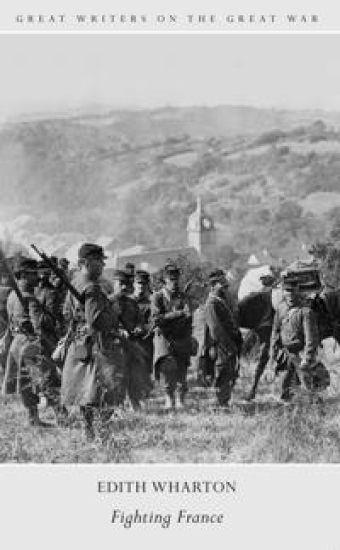
Edith Wharton, the author of classic novels including The Age of Innocence, was an American living in Paris when war broke out in 1914. In the months that followed, she was one of the few foreigners allowed to travel to the front lines. She wrote a series of articles documenting her travels, always driven to investigate as much as possible, whether sordid hospitals barely removed from the fighting or the singular experience of standing on the front line itself. The French soldiers and civilians she met along the way were a constant source of admiration for Edith. These beautifully-written reports are a moving tribute both to the nation she loved so well and to her own status as one of the century’s greatest writers.
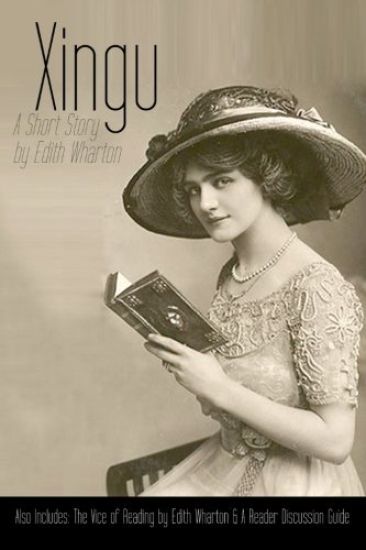
Xingu: A Short Story: Also Includes The Vice of Reading and Reader Discussion Guide
Vikk Simmons; Edith Wharton
Ordinary Matters Publishing
2014
nidottu
Modern readers will love this edition of Edith Wharton's classic short story XINGU. Edith Wharton's popular classic short story XINGU and her essay THE VICE OF READING, plus a Reader's Discussion Guide all in one provides a unique edition that offers an individual reader, as well as book club members, opportunity for discussion and reflection. Downtown Abbey fans will enjoy discovering the meaning of Xingu, along with Mrs. Ballinger and the Ladies of the Lunch Club. This edition contains the following features: Complete annotated and unabridged text of Wharton's short story XINGU Additional complete essay The Vice of Reading and Reader's Guide Biographical information about Edith Wharton Backstory on the writing of Xingu Notes about Wharton's works and her writing career Complete list of Edith Wharton's short stories Link to audio version of XINGU Information about the woman featured on the book's cover Information on the Short Works Reading Challenge Edith Wharton published her thoughts on reading in The Vice of Reading in 1903. Her short story XINGU was first published in 1915 and remains popular with today's modern readers and especially with book clubs. Don't wait, scroll up and buy Xingu today
"Afterward" is a short ghost story by American writer Edith Wharton. It was first published in the 1910 edition of The Century Magazine. and later reprinted in her books The Collected Short Stories of Edith Wharton and Tales of Men and Ghosts (1910). It is an ironic ghost story about greed and retribution. The ghost comes for one of the main characters long after a business transgression where the character wronged another.
The Age of Innocence
Edith Wharton
Createspace Independent Publishing Platform
2014
pokkari
Halvin toimitettuna 20,70 €
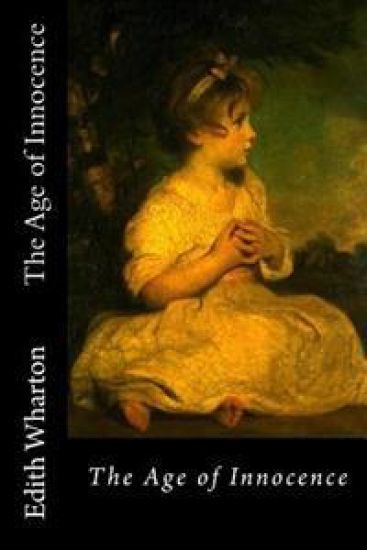
The Age of Innocence is author Edith Wharton's 12th novel. It won the 1921 Pulitzer Prize for Fiction, making it the first novel written by a woman to win the Pulitzer Prize for Fiction, and thus Wharton the first woman to win the prize. The story is set in upper-class New York City in the 1870s. The Age of Innocence centers on an upper-class couple's impending marriage, and the introduction of a woman plagued by scandal whose presence threatens their happiness. Though the novel questions the assumptions and morals of 1870s New York society, it never devolves into an outright condemnation of the institution. In fact, Wharton considered this novel an "apology" for her earlier novel, The House of Mirth, which was more brutal and critical. The novel is noted for Wharton's attention to detail and its accurate portrayal of how the 19th-century East Coast American upper class lived, and the social tragedy of its plot. Wharton was 58 years old at publication; she had lived in that world and had seen it change dramatically by the end of World War I. The title is an ironic comment on the polished outward manners of New York society when compared to its inward machinations. It is believed to have been drawn from the popular 1785 painting A Little Girl by Sir Joshua Reynolds that later became known as The Age of Innocence and was widely reproduced as the commercial face of childhood in the later half of the 18th century.
The Decoration of Houses (1897)
Edith Wharton; Ogden Jr. Codman
Literary Licensing, LLC
2014
nidottu
Ethan Frome is a novel by the Pulitzer Prize-winning author Edith Wharton. Set in a the fictional New England town of Starkfield, a narrator tells the story of his encounter with Ethan Frome, a man with dreams and desires that end in an ironic turn of events. The narrator tells the story based on an account from observations at Frome's house when he had to stay there during a winter storm. The New York Times called Ethan Frome "a compelling and haunting story". Edith Wharton was able to write an appealing book and separate it from her other works, where her characters in Ethan Frome are not of the elite upper class. However, the problems that the characters endure are still consistently the same, where the protagonist has to decide whether or not to fulfill their duty or follow their heart. Some critics have read the novel as a veiled autobiography where they have interpreted the likeness between Ethan's situation with his wife in the novel to Wharton's unhappy marriage.
The House of Mirth: Original and Unabridged
Edith Wharton
Createspace Independent Publishing Platform
2014
nidottu
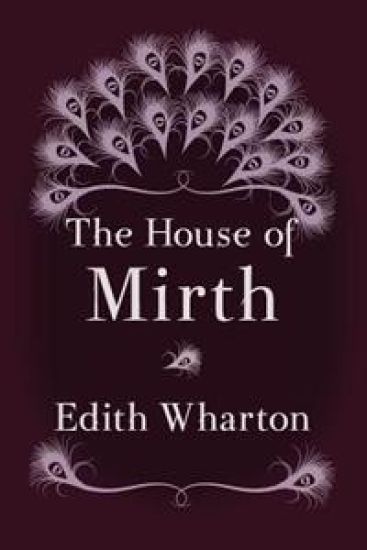
The House of Mirth by Edith Wharton is set against the backdrop of 1890s New York upper-class society, written in the style of a novel of manners. Wharton places her tragic heroine, Lily Bart, in a society that she describes as a "hot-house of traditions and conventions". The novel start with the unmarried Lily's visit to Lawrence Selden's apartment, a man whom she has feelings for. But to keep her social standing, Lily must marry a wealthier man than Selden. She turns towards Percy Gryce, a young and timid millionaire. The book received a good review with the New York Times, saying it was, "A novel of remarkable power." There followed months of letters to the Times, arguing over the book. Some readers were enthusiastic fans, while others felt that the book unfairly impugned the city's social elite.