Kirjojen hintavertailu – 12 859 818 kirjaa ja 27 kauppaa
Kirjailija
Edith Wharton
Kirjat ja teokset yhdessä paikassa: 1 534 kirjaa, julkaisuja vuosilta 1913–2026, suosituimpiin kuuluu Box with four Summer Stories. Vertaile teosten hintoja ja tarkista saatavuus suomalaisista kirjakaupoista.
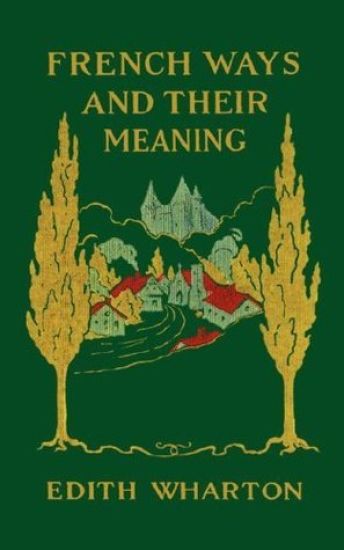
Edith Wharton was devoted to the French people and their culture. During the First World War, while living in France and devoting herself to numerous war and relief efforts, she wrote several essays about the French and the unique attributes of their civilization, having in mind particularly the need for both Americans and the English to understand the ways of a people whose nation they were defending in the Great War. These pieces were first published in book form in 1919, under the title French Ways and Their Meaning.
"Contexts" constructs the historical foundation for this very historical novel. Many documents are included on the "New York Four Hundred," elite social gatherings, archery (the sport for upper-crust daughters), as well as Wharton’s manuscript outlines, letters, and related writings. "Criticism" collects eleven American and British contemporary reviews and nine major essays on The Age of Innocence, including a groundbreaking piece on the two film adaptations of the novel. “A Chronology and Selected Bibliography” are also included.
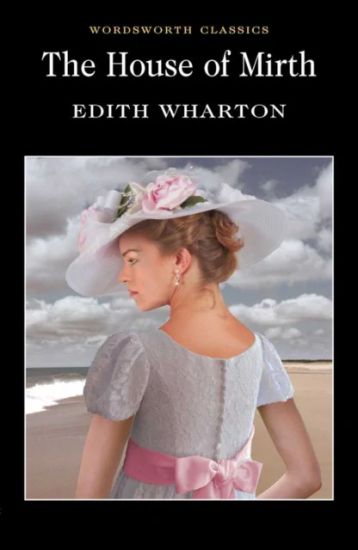
Introduction and Notes by Janet Beer, Manchester Metropolitan University. The House of Mirth tells the story of Lily Bart, aged 29, beautiful, impoverished and in need of a rich husband to safeguard her place in the social elite, and to support her expensive habits - her clothes, her charities and her gambling. Unwilling to marry without both love and money, Lily becomes vulnerable to the kind of gossip and slander which attach to a girl who has been on the marriage market for too long. Wharton charts the course of Lily's life, providing, along the way, a wider picture of a society in transition, a rapidly changing New York where the old certainties of manners, morals and family have disappeared and the individual has become an expendable commodity. The House of Mirth was published in October 1905 to widespread critical acclaim. It became an instant bestseller and is regarded today as one of Edith Wharton’s most accomplished and compelling social satires.
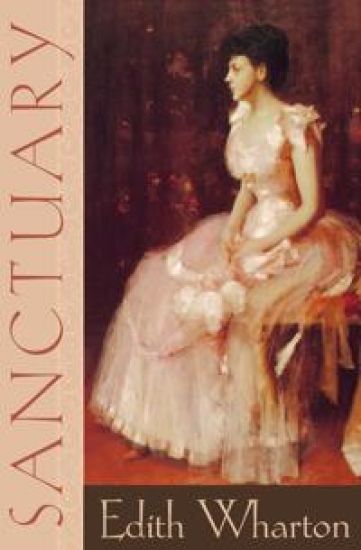
Kate Orme is a young woman whose illusions of marital bliss are shattered when she comes face to face with the dark secret harbored by her fiance, the wealthy and deceptively ebullient Denis. Kate decides to go ahead and marry Denis, however, as a selfless gesture to protect any child he may conceive from inheriting their father's moral weakness. The couple does have a child, Dick, and in a marriage with a man that Kate has admittedly ceased to love, she transfers her original affections for Denis to their son. Denis dies suddenly and Kate is left to raise their young son. Knowing that Dick could have inherited the faults of his father, Kate anticipates a time when Dick's morality will be severely tested. That time comes years later when Dick, an eligible bachelor and aspiring professional, is faced with a dilemma that will affect the course of his life. With the precision, beauty, and sharp awareness of the cracks in upper-class New York society that made her one of the great writers of the twentieth century, Edith Wharton offers a subtle critique of the nature versus nurture debate that raged in the early 1900s. Sanctuary is a spare and moving investigation of the forces that impel human beings toward sin, self-doubt, and redemption.
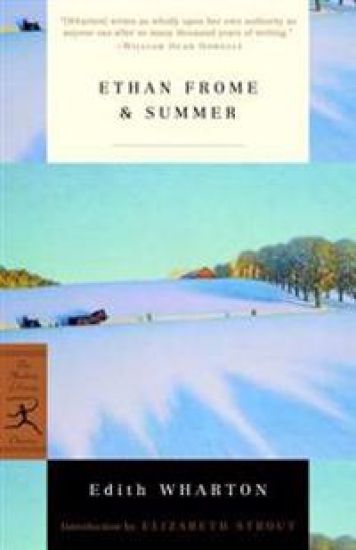
This edition presents Wharton's two most controversial stories, which she considered inseperable, in one volume for the first time. Set in frigid New England, both deal with sexual awakening and appetite and their devastating consequences. This text includes newly commissioned notes.
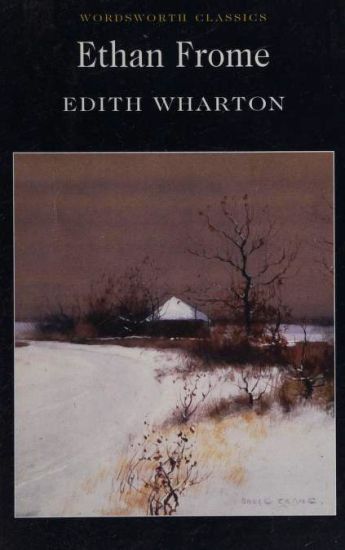
With an Introduction by Dr Pamela Knights, Department of English Studies, Durham University. With this intensely moving short novel, Edith Wharton set out ‘to draw life as it really was’ in the lonely villages and desolate farms of the harsh New England mountains. Through the eyes of a visitor from the city, trapped for a winter in snowbound Starkfield, readers glimpse the hidden histories of this austere and beautiful land. Piecing together the story of monosyllabic Ethan Frome, his grim wife, Zeena, and Mattie Silver, her charming cousin, Wharton explores psychological dead-lock:frustration, longing, resentment, passion. First published in 1911, the novella stunned its public with its consummate handling of the unfolding drama, and has remained for many readers the most compelling and subtle of all Wharton’s fiction.
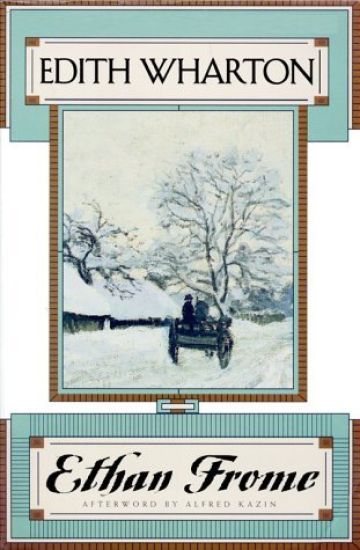
Set against the bleak winter landscape of New England, Ethan Frome is the story of a poor farmer, lonely and downtrodden, his wife Zeena, and her cousin, the enchanting Mattie Silver. In the playing out of this short novel's powerful and engrossing drama, Edith Wharton constructed her least characteristic and most celebrated book. In her Introduction, the distinguished critic Elaine Showalter discusses the background to the novel's composition and the reasons for its enduring success.
Selected by the Modern Library as one of the 100 best novels of all timeIn The House of Mirth, Edith Wharton depicts the glittering salons of Gilded Age New York with precision and wit, even as she movingly portrays the obstacles that impeded women's choices at the turn of the century. The beautiful, much-desired Lily Bart has been raised to be one of the perfect wives of the wealthy upper class, but her spark of character and independent drive prevents her from becoming one of the many women who will succeed in those circles. Though her desire for a comfortable life means that she cannot marry for love without money, her resistance to the rules of the social elite endangers her many marriage proposals. As Lily spirals down into debt and dishonor, her story takes on the resonance of classic tragedy. One of Wharton's most bracing and nuanced portraits of the life of women in a hostile, highly ordered world, The House of Mirth exposes the truths about American high society that its denizens most wished to deny. With an introduction by Pamela Knights.
Selected by the Modern Library as one of the 100 best novels of all time Newland Archer saw little to envy in the marriages of his friends, yet he prided himself that in May Welland he had found the companion of his needs--tender and impressionable, with equal purity of mind and manners. The engagement was announced discreetly, but all of New York society was soon privy to this most perfect match, a union of families and circumstances cemented by affection. Enter Countess Olenska, a woman of quick wit sharpened by experience, not afraid to flout convention and determined to find freedom in divorce. Against his judgment, Newland is drawn to the socially ostracized Ellen Olenska, who opens his eyes and has the power to make him feel. He knows that in sweet-tempered May, he can expect stability and the steadying comfort of duty. But what new worlds could he discover with Ellen? Written with elegance and wry precision, Edith Wharton's Pulitzer Prize-winning masterpiece is a tragic love story and a powerful homily about the perils of a perfect marriage. Commentary by William Lyon Phelps and E. M. Forster
The original text of The Decoration of Houses continues without revision as an authentic classic, perhaps the most important book of its kind ever published. Its carefully reasoned chapters on such aspects of house interiors as fireplaces, ceilings and floors, halls and stairs, are of the greatest value to professionals and serious amateurs concerned with interiors. This expanded edition includes an introduction by Henry Hope Reed and three critical essays by John Barrington Bayley, William A. Coles, and Alvin Holm, AIA. Additions to the album of renderings and photographs of modern and contemporary work in the tradition of Wharton and Codman include a number of important works done in the last decade or so. A portfolio of color plates new to the expanded edition offers the work of such accomplished photographers as Bill Ray and Anne Day. First published in Norton paperback in 1978 in association with Classical America. A selection of Book-of-the-Month Club and Newbridge Book Clubs.
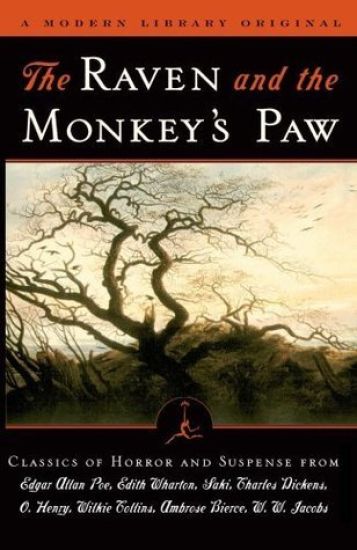
The third in the Modern Library's series of original compilations, The Raven and the Monkey's Paw is a collection of classic tales and poems to engage our fear-seeking senses. The beauty of these stories and poems lies in their readability: ideal for sharing aloud around the campfire or for a quick, thrilling dip . . . under the covers with a flashlight. The writing itself sends as many awe-inspired shivers down the spine as do the ghosts and goblins on these pages. Edgar Allan Poe, the master of the horror story and the chiming lyric poem, opens the volume with his best-loved stories: "The Murders in the Rue Morgue," "The Black Cat," "The Fall of the House of Usher," "The Pit and the Pendulum," "The Premature Burial," "The Tell-Tale Heart," "Berenice," and "Ligeia." Every bit as chilling now as on the day they were written, these tales retain their power to stir the reader again and again. Poe, who was as well known for his poems as for his stories, is also represented by such verse standards as "The Raven," "Lenore," "To Helen," "Ulalume," and "Annabel Lee," among others. Numerous other practitioners of the supernatural story are included: Edith Wharton, with her gripping "Afterward"; Charles Dickens and his famed ghost story "The Signalman"; W. W. Jacobs, with this compilation's inspiration, "The Monkey's Paw." Also here are Saki's engrossing "Sredni Vashtar"; O. Henry's story of love lost and hopes dashed, "The Furnished Room"; Wilkie Collins's lively "A Terribly Strange Bed"; and "The Boarded Window," Ambrose Bierce's tale of the bizarre. A year-round collection for reading aloud--and frightening your friends--The Raven and the Monkey's Paw will gratify all manner of thrill-seekers.
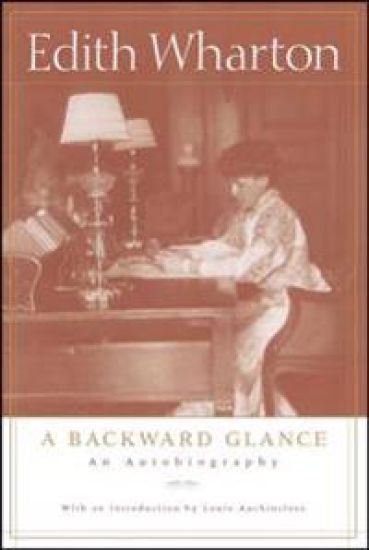
Edith Wharton, the first woman to win the Pulitzer Prize, vividly reflects on her public and private life in this stunning memoir. With richness and delicacy, it describes the sophisticated New York society in which Wharton spent her youth, and chronicles her travels throughout Europe and her literary success as an adult. Beautifully depicted are her friendships with many of the most celebrated artists and writers of her day, including her close friend Henry James. In his introduction to this edition, Louis Auchincloss calls the writing in A Backward Glance "as firm and crisp and lucid as in the best of her novels." It is a memoir that will charm and fascinate all readers of Wharton's fiction.
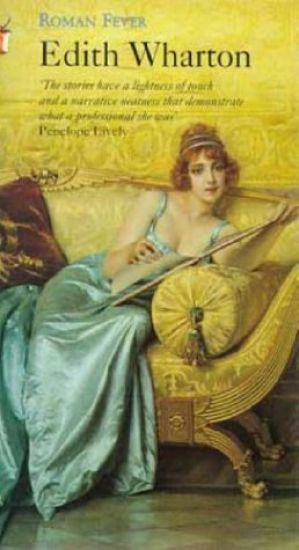
A collection of beautifully-crafted short stories. They are set in Italy, France and America and are powerful portraits of women who live in 'the world of propriety' at the turn of the century. They tell of the emotions women feel: in love, in jealousy, when they long for children or seek independence - and when their passions lead them to overstep the bounds laid down by exacting conventions. We see too what happens to those strong enough to break the rules but rarely strong enough to live forever beyond the pale of the society that has banished them. First published in America in 1964, Roman Fever contains some of Edith Wharton's finest writing.
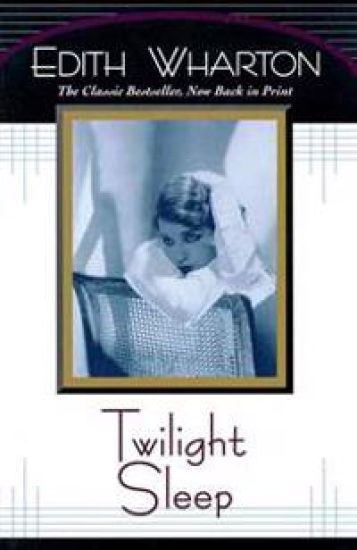
Out of print for several decades, here is Edith Wharton's superb satirical novel of the Jazz Age, a critically praised best-seller when it was first published in 1927. Sex, drugs, work, money, infatuation with the occult and spiritual healing -- these are the remarkably modern themes that animate Twilight Sleep. The extended family of Mrs. Manford is determined to escape the pain, boredom and emptiness of life through whatever form of twilight sleep they can devise or procure. And though the characters and their actions may seem more in keeping with today's society, this is still a classic Wharton tale of the upper crust and its undoing -- wittily, masterfully told.
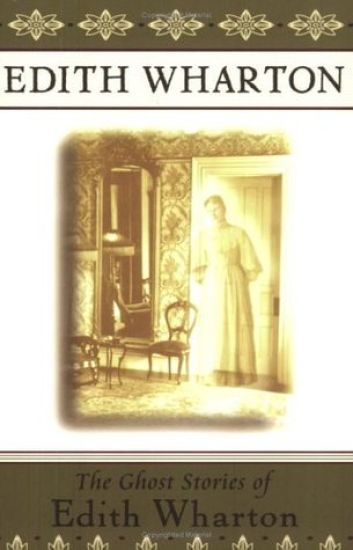
One might not expect a woman of Edith Wharton's literary stature to be a believer of ghost stories, much less be frightened by them, but as she admits in her postscript to this spine-tingling collection, ...till I was twenty-seven or -eight, I could not sleep in the room with a book containing a ghost story. Once her fear was overcome, however, she took to writing tales of the supernatural for publication in the magazines of the day. These eleven finely wrought pieces showcase her mastery of the traditional New England ghost story and her fascination with spirits, hauntings, and other supernatural phenomena. Called flawlessly eerie by Ms. magazine, this collection includes Pomegranate Seed, The Eyes, All Souls', The Looking Glass, and The Triumph of Night.
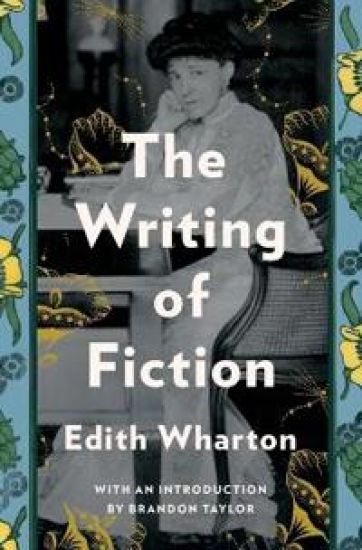
A rare work of nonfiction from Edith Wharton, The Writing of Fiction contains brilliant advice on writing from the first woman ever to win a Pulitzer Prize -- for her first novel The Age of Innocence. In The Writing of Fiction, Wharton provides general comments on the roots of modern fiction, the various approaches to writing a piece of fiction, and the development of form and style. She also devotes entire chapters to the telling of a short story, the construction of a novel, and the importance of character and situation in the novel. Not only a valuable treatise on the art of writing, The Writing of Fiction also allows readers to experience the inimitable but seldom heard voice of one of America's most important and beloved writers, and includes a final chapter on the pros and cons of Marcel Proust.
Set against the bleak winter landscape of New England, Ethan Frome is the story of a poor farmer, lonely and downtrodden, his wife Zeena, and her cousin, the enchanting Mattie Silver. In the playing out of this short novel's powerful and engrossing drama, Edith Wharton constructed her least characteristic and most celebrated book. In her Introduction, the distinguished critic Elaine Showalter discusses the background to the novel's composition and the reasons for its enduring success.