Kirjojen hintavertailu – 12 903 724 kirjaa ja 27 kauppaa
Kirjailija
Edward Bond
Kirjat ja teokset yhdessä paikassa: 31 kirjaa, julkaisuja vuosilta 1977–2020, suosituimpiin kuuluu Dea. Vertaile teosten hintoja ja tarkista saatavuus suomalaisista kirjakaupoista.
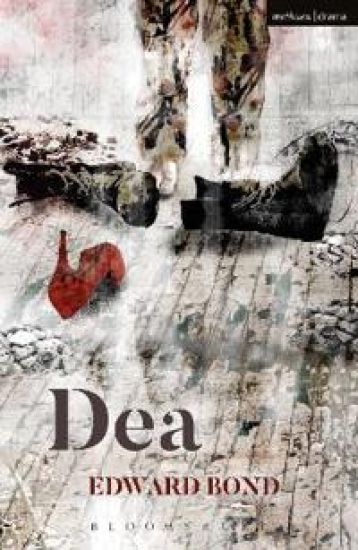
To be sane or not to be sane, that is the question – and if not, then be mad and all that follows. Edward Bond takes from the Greek and Jacobean drama the fundamental classical problems of the family and war to vividly picture our collapsing society. The war is raging, Dea, a heroine, has committed a terrible act and has been exiled. When she meets someone from her past, she is forcefully confronted by the broken society that drove her to commit her crimes. Dea received its world premiere at Sutton Theatre on 24 May 2016.
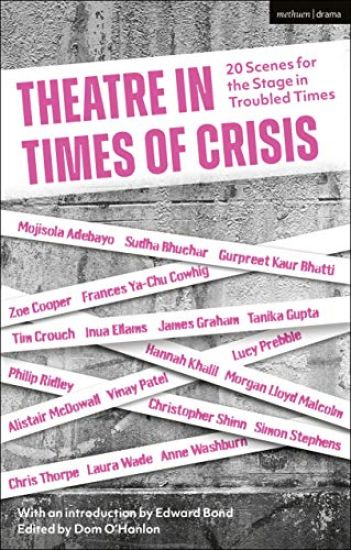
Edward Bond; Mojisola Adebayo; Sudha Bhuchar; Gurpreet Kaur Bhatti; Zoe Cooper; Frances Ya-Chu Cowhig; Tim Crouch; Inua Ellams; James Graham; Tanika Gupta; Hannah Khalil; Morgan Lloyd Malcolm; Alistair McDowall; Vinay Patel; Lucy Prebble; Philip Ridley; Christopher Shinn; Simon Stephens; Chris Thorpe; Laura Wade; Anne Washburn
Theatre has a complex history of responding to crises, long before they happen. Through stage plays, contemporary challenges can be presented, explored and even foreshadowed in ways that help audiences understand the world around them. Since the theatre of the Greeks, audiences have turned to live theatre in order to find answers in uncertain political, social and economic times, and through this unique collection questions about This anthology brings together a collection of 20 scenes from 20 playwrights that each respond to the world in crisis. Twenty of the world’s most prolific playwrights were asked to select one scene from across their published work that speaks to the current world situation in 2020. As COVID-19 continues to challenge every aspect of global life, contemporary theatre has long predicted a world on the edge. Through these 20 scenes from plays spanning from 1980 to 2020, we see how theatre and art has the capacity to respond, comment on and grapple with global challenges that in turn speak to the current time in which we are living. Each scene, chosen by the writer, is prefaced by an interview in which they discuss their process, their reason for selection and how their work reflects both the past and the present. From the political plays of Lucy Prebble and James Graham to the polemics of Philip Ridley and Tim Crouch. From bold works by Inua Ellams, Morgan Lloyd Malcom and Tanika Gupta to the social relevance of Hannah Khalil, Zoe Cooper and Simon Stephens this anthology looks at theatre in the present and asks the question: “how can theatre respond to a world in crisis?” The collection is prefaced by an introduction from Edward Bond, one of contemporary theatre’s most prolific dramatists.
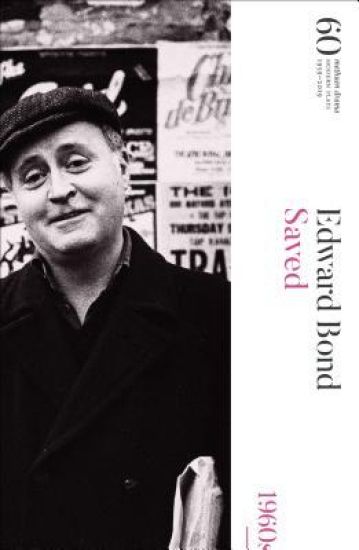
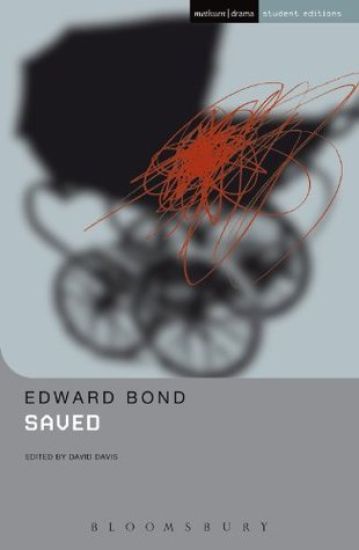
It’s bad enough bein’ stuck with a kid without ‘avin’ you ‘anging round’ me neck. The ‘ole street’s laughin’ be’ind yer back. Described by Edward Bond as 'almost irresponsibly optimistic', Saved is a play set in London in the sixties amidst the cultural poverty and frustration of a generation of young people on the dole and living on council estates. The play opens on Len and Pam preparing to have sex and asking each other their names. Pam’s parents are deadlocked in a stultified, silent marriage. Len stays with the family as a lodger despite being rejected by Pam, in order to keep an eye on her neglected baby. Pam leaves the baby with Frank, whom she claims is its father, leading to one of modern theatre’s most shocking scenes. Saved's atmosphere of domestic bleakness ultimately cracks to reveal an underlying animalistic brutality, then settles back again, with an alarming glimpse of how little human life seems to be worth. It quickly became a notorious play and has since had a profound influence on a whole new generation of writers who emerged after it. The play was first staged privately in November 1965 at the Royal Court Theatre for members of the English Stage Society at a time when plays were still censored. Bond’s refusal to alter its scenes in response to the censor’s demands meant it played a fundamental role in the successful campaign to repeal the laws governing censorship of plays. Methuen Drama’s iconic Modern Plays series began in 1959 with the publication of Shelagh Delaney’s A Taste of Honey and has grown across six decades to now include more than 1000 plays by some of the best writers from around the world. This new special edition hardback of Saved was published to celebrate 60 years of Methuen Drama’s Modern Plays in 2019, chosen by a public vote and features a brand new foreword by Simon Stephens.
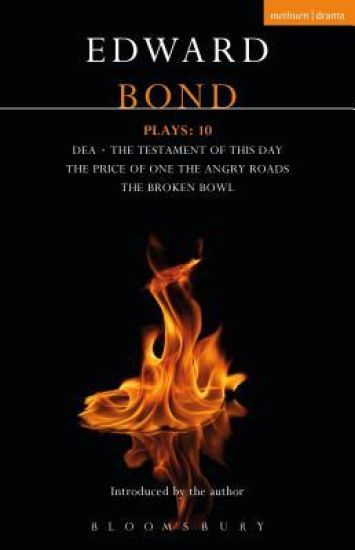
Bond Plays: 10 brings together recent work by the writer of the classic stage plays Saved, Lear, The Pope's Wedding and Early Morning. The volume comprises four previously unpublished plays, one previously published play and a comprehensive introduction by the author. Dea, a heroine, has committed a terrible act and has been exiled. When she meets someone from her past, she is forcefully confronted by the broken society that drove her to commit her crimes. In this play, Edward Bond takes from the Greek and Jacobean drama the fundamental classical problems of the family and war to vividly picture our collapsing society. Dea received its premiere at Sutton Theatre in 2016. The Testament of this Day is Edward Bond's third original radio drama. A young man embarks on two journeys, though he is in control of only one. He soon discovers there is no going back, from either. The play is an arresting drama about the world today and was first produced by BBC Radio 4 in 2016. The Price of One is set in among city ruins in a war zone. An occupying soldier carries a baby he has rescued from the rubble and dust. He meets a woman carrying a baby of her own. What ensues is a struggle between two enemies demanding justice in the midst of war. A modern tragedy, this play is an exploration of eternity and madness and the supermarket culture. It received its premiere in 2016. The Angry Roads considers how young people today grow up in a world that their parents never knew. In a flat a teenage boy is sorting through play things from his childhood; he is sorting through his past in search of the truth about an accident that destroyed his family. The Angry Roads was commissioned by Big Brum Theatre Company and premiered in 2015. The Hungry Bowl is a portrait of a a ghost town. Outside a harsh wind rattles the windows. Inside, people go hungry and start boarding up their homes. When a young girl insists on feeding her imaginary friend, a bitter struggle for a future ensues for the power of the imagination to transform lives. The play is a moving and audacious modern fable that explores the impact of hard times on family life, commissioned by Big Brum and premiered in 2012. The volume features an introduction by the author that looks at theatre and culture in a post-Brexit referendum, post-truth and post-Trump era.
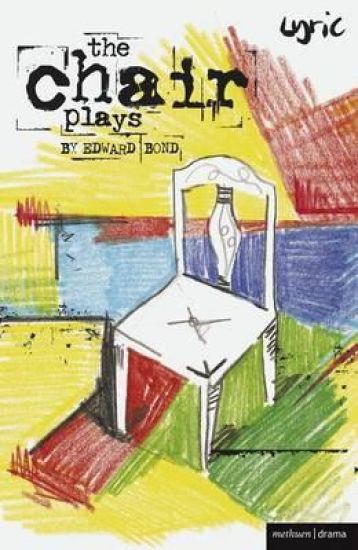
'I am nothing. Nobody. One day I could forget what I have done. Then I am nothing with no past. My knife is to tell me who I am. It is my passport to myself.' The Chair Plays are three one-act plays that Edward Bond has combined into one continuous drama on the state of society towards the end of the present century. Faced with ecological disaster and economic chaos, governments have become authoritarian and repressive. Domestic family life struggles to survive in a world of fleeing refugees, mass suicides, ruined and deserted suburbs, and soldiers patrolling the streets. Authority decrees even the exact placing of furniture in rooms. There is a knock at the door - but it is not the secret police. It is something even more disturbing. In this broken world sheer human goodness and vision asserts itself in stubborn and radiant ways. A master dramatist creates a range of extraordinary characters, vivid situations and radical theatrical devices to stage the central problem of modern life.
Edward Bond Plays:9 brings together recent work by the writer of the classic stage plays Saved, Lear, The Pope's Wedding, and Early Morning. The volume comprises five new plays and a comprehensive introduction by the author exploring theories of writing and theatre. Innocence is the final play in The Paris Pentad, a dramatic epic stretching from the 1940s to the end of the twenty-first century. The conflicts at the heart of civilisation have erupted into violence, and the characters in Innocence must seek refuge in each other to escape the cruelty of war. Window, Tune, Balancing Act and The Edge are plays commissioned by The Big Brum Theatre. With themes of drug use, violence, suicide, and mother-son relations, the plays focus on problems directly aimed at modern youth culture. Ideally suited to students, performers and particularly university showcases, they are short, interesting and powerful pieces. This edition also includes some of Bond's previously unpublished Theatre Poems.
What motivates theatre-makers who work in education? How can theatre respond to young people's experiences of living in a globalised world? Theatre& Education provides an insight into the energy, passion and values that have inspired the most inventive theatre-makers who work with young people in educational settings. It charts early debates that motivated twentieth-century radical theatre-makers to work with young people, and offers an analysis of contemporary practices. It argues that the aesthetic principles and educational ideals that inform theatre and education drive at the heart of why theatre matters. Foreword by Edward Bond
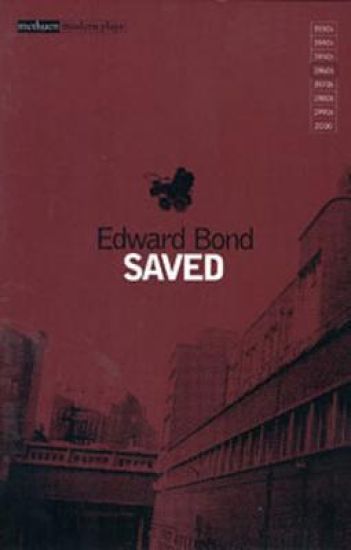
Described by Edward Bond as 'almost irresponsibly optimistic', Saved is a play set in London in the sixties and reflects a time of social change. Its subject is the cultural poverty and frustration of a generation of young people on the dole and living on council estates. The play was first staged privately in November 1965 at the Royal Court Theatre for members of the English Stage Society at a time when plays were still censored. With its scenes of violence, including the stoning of a baby in its pram, Saved became a notorious play and a cause celebre. It has since had a profound influence on a whole new generation of writers who emerged in the 1990s. Commentary and notes by David Davis.
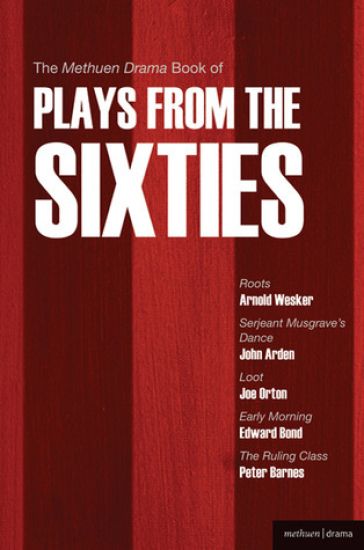
Five outstanding plays from the British theatre of the 1960s. This volume contains major works by five of the most important playwrights ot emerge during the late fifties and early sixties. Bold, challenging and iconoclastic, these plays are landmarks of post-war British theatre. Roots by Arnold Wesker focuses on the homecoming of young Beatie Bryant who returns to her family of Norfolk farm workers with stories of her boyfriend Ronnie. Serjeant Musgrave's Dance by John Arden is set in a mining town in the 19th century, with a group of soldiers returned from a colonial war. But when Musgrave is asked to keep the peace with the colliery workers, he decides to do so in a rather unusual way. Loot by Joe Orton is a brilliant parody of the skeleton-in-the-cupboard crime genre, exploding the very notions of English decency, good citizenry and traditional 'positions'. Edward Bond's Early Morning re-imagines the time of Victoria and Albert caught up in a military coup plotted by Disraeli. Peter Barnes' Ruling Class describes the fall out in an aristocratic family after the 14th Earl commits suicide and leaves his estate to a schizophrenic Franciscan friar who is under the illusion that he is Jesus.
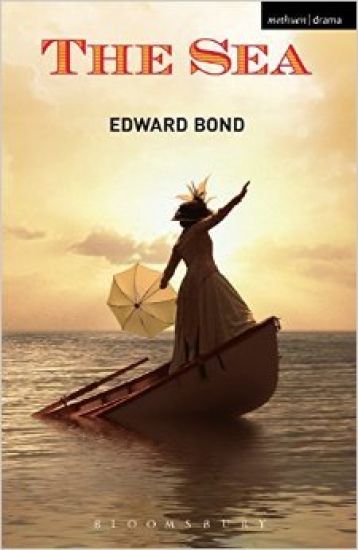
A wild storm shakes a small East Anglian seaside village and sets off a series of events that changes the lives of all its residents. Set in the high Edwardian world of 1907, The Sea is a fascinating blend of wild farce, high comedy, biting social satire and bleak poetic tragedy. The play was first produced at the Royal Court Theatre, London, in 1973 and will be revived at the Theatre Royal Haymarket, London, from January to April 2008. 'This cosmically inclined neo-Chekhovian romp set in a stiflingly small seaside town in 1907 proves to be every bit as masterful as its sensational predecessor [Saved].' Time Out (New York)
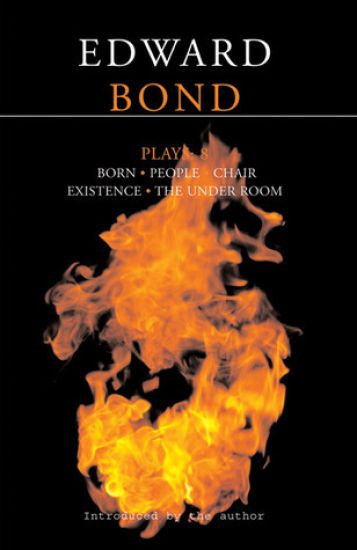
Comprises five plays and two prose essays. The plays in this title include: "Born", the third play in the "Colline Tetralogy"; "People", the fourth play in the "Colline Tetralogy"; "Chair", broadcast on BBC Radio 4 in April 2000; "Existence", broadcast on BBC Radio 4 in April 2002; and "The Under Room".
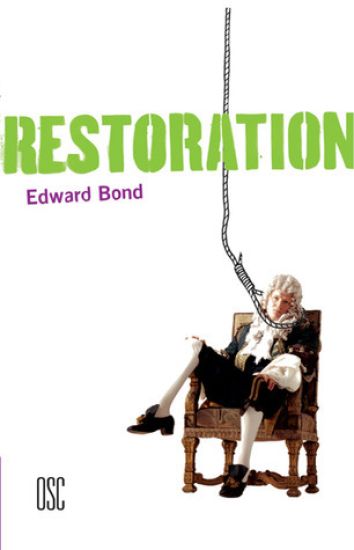
Restoration is set in eighteenth-century England: a world of cruelty, injustice and iron privilege. Lord Are is forced by poverty into an unwanted marriage with the daughter of a wealthy mineowner. One morning, during breakfast, he commits a bizarre and fatal crime. He seeks to pin responsibility for it on his guileless, illiterate footman, Bob Hedges. A battle ensues between Bob's black, justice-hungry wife and the fortified privilege of the ruling classes. This is a new programme text edition of the play with minor revisions to the original text and produced for the tour by Oxford Staeg Company.
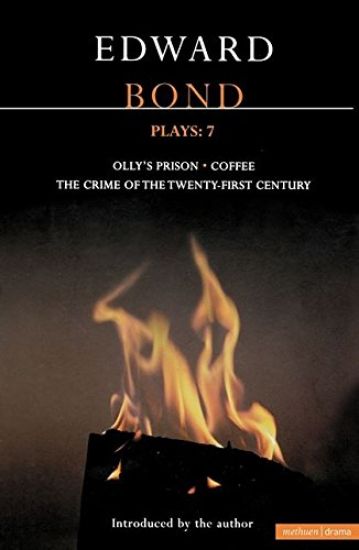
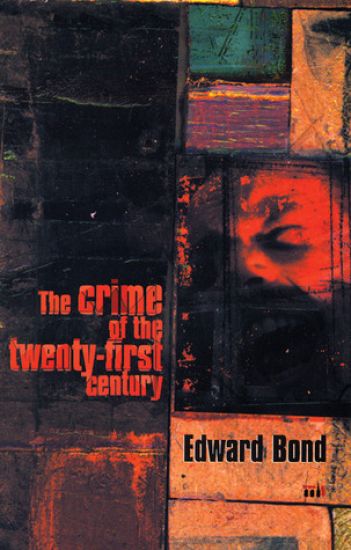
The latest collection of plays by one of Europe's most important playwrights THE CRIME OF THE TWENTY-FIRST CENTURY: The past has been abolished and geography - even the sky - is changed. A woman lives in a vast desert of white rubble. A tiny group of people comes seeking a hiding place - and is exposed to the deepest questions of human existence. OLLY'S PRISON: an ordinary city flat. Evening. A man tries to talk to his daughter. She will not answer. Slowly their world turns to tragedy and a search begins that lasts for years. COFFEE: A young man alone in a room. A stranger enters. Together they journey into a dark forest... When the men return to the daylight world, they are involved in a trivial incident. It is hardly more than a gesture - yet it is something that once happened and in its triviality captures the history of our century and confronts us with the deepest questions about ourselves." A great playwright - many, particularly in continental Europe, would say the greatest living English playwright" - Independent "A play by one of Britain's greatest playwrights is an event" - TES
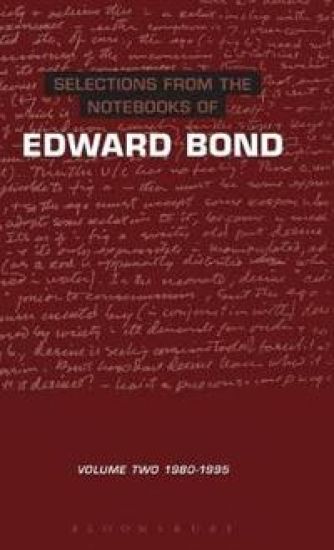
This second volume of Edward Bond's notebooks covers the period from Restoration, his historic drama with songs, to Eleven Vests, his play for young people written for Big Brum Theatre-in-Education "There is a cliche - which is also false - that all creative writing is autobiographical. If I were to be asked when you write do you write about your life I would answer when I write I am living my life." Including first drafts of plays, ideas and thoughts on characters, themes, actions and dramatic technique, this selection of notes provides a glimpse into the working mind of one of the world's most provocative playwrights. Alongside the commentaries on the plays, Bond's notes also contain stories and poems. His philosophy on theatre and art and his views on the role of the writer in society are included. Emphasis is given to Bond's critical response to political and moral issues such as Thatcherism, the monarchy, nuclear war, Britain's social classes and our definitions of good and evil.
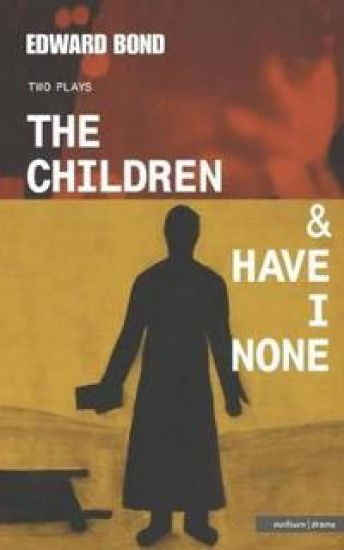
Two new plays from Britain's most challenging dramatist Have I None and The Children are both set in a late-21st-century apocalyptic landscape where human behaviour is monitored, living spaces are designated and where any emotional displays are immediately eradicated. In The Children a teenager's unquestioning loyalty to his mother has fatal consequences, while in Have I None a couple's lives are irreversibly changed by the appearance of a disturbing stranger who questions their existence. Edward Bond is "a great playwright - many, particularly in continental Europe, would say the greatest living English playwright" (Independent)
Restoration is set in eighteenth-century England: a world of cruelty, injustice and iron privilege. Lord Are is forced by poverty into an unwanted marriage with the daughter of a wealthy mineowner. One morning, during breakfast, he commits a bizarre and fatal crime. He seeks to pin responsibility for it on his guileless, illiterate footman, Bob Hedges. A battle ensues between Bob's black, justice-hungry wife and the fortified privilege of the ruling classes." Bond's great gift as a comic moralist makes Lord Are condemn himself without sacrificing a scintilla of wit. Bond takes the Restoration style, enters it and turns it against itself" Robert Cushman, Observer
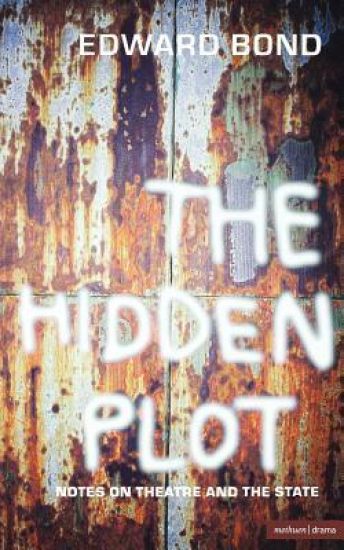
An important, urgent book of essays from Britain's most challenging dramatist: "...a great playwright - many, particularly in continental Europe, would say the greatest living English playwright." (The Independent) This collection of passionate and polemical essays deals with drama from its origin in the human mind to its use in history and the present. It explains the hidden working of drama behind the state, religion, family, crime and war. It is a revolutionary understanding of the human world with drama at its centre. A ruthless critique of the theatre's present state and its trivialisation as entertainment by the media, it reveals and sees a radical new theatre for the future. Edward Bond is internationally recognised as a major playwright and a leading theoretician of drama. He is the most performed British dramatist abroad. This is his latest and most important account of the meaning and practice of theatre as we start a new millennium.
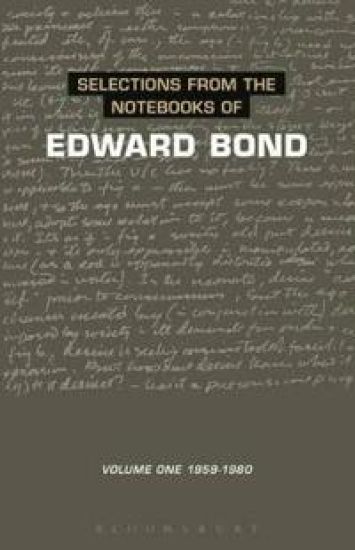
From his emergence as a young writer at London's Royal Court Theatre to being hailed as "the greatest living English playwright" (The Independent), this first volume of the notebooks of Edward Bond reveals the mind behind some of the most provoc Exploring the meeting point between politics and the art of the writer, Bond's notes offer a rare insight into one of the theatre's foremost thinkers whilst charting the creative progress of his work between 1959 and 1980. As well as providing a detailed commentary on his plays, the notebooks also contain early play drafts, poems and stories, his thoughts on life, art, Brecht, dramatic method and censorship."1 August 1965: I would do almost anything to prevent my play [Saved] being banned except alter one comma at the request of the Lord Chamberlain." Edward Bond is "a great playwright - many, particularly in continental Europe, would say the greatest living English playwright" (Independent)
Described by its author as 'almost irresponsibly optimistic', Saved is a play set in London in the sixties. Its subject is the cultural poverty and frustration of a generation of young people on the dole and living on council estates. The play was first staged privately in November 1965 at the Royal Court Theatre before members of the English Stage Society in a time when plays were still censored. With its scenes of violence, including the stoning of a baby, Saved became a notorious play and a cause celebre. In a letter to the Observer, Sir Laurence Olivier wrote: 'Saved is not a play for children but it is for grown-ups, and the grown-ups of this country should have the courage to look at it.' Saved has had a marked influence on a whole new generation writing in the 1990s. Edward Bond is "a great playwright - many, particularly in continental Europe, would say the greatest living English playwright" (Independent)
One of Britain's greatest living contemporary dramatists, Edward Bond is widely studied by schools and colleges. The collection includes a commentary by the author. The twenty-first century. The past has been abolished and geography - even the sky - is changed. A woman lives in the vast desert of white rubble. A tiny group of people come to her seeking a hiding place but instead are exposed to the deepest uncertainties of their own condition. Edward Bond is "a great playwright - many, particularly in continental Europe, would say the greatest living English playwright" (Independent)