Kirjojen hintavertailu – 12 859 818 kirjaa ja 27 kauppaa

Kirjailija

Edward Denison

Kirjat ja teokset yhdessä paikassa: 14 kirjaa, julkaisuja vuosilta 1985–2026, suosituimpiin kuuluu A Practical Guide to Architectural Drawing. Vertaile teosten hintoja ja tarkista saatavuus suomalaisista kirjakaupoista.

14 kirjaa

Kirjojen julkaisuvuodet: 1985–2026.

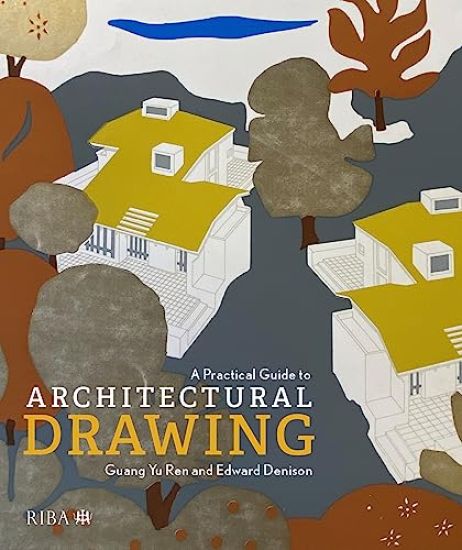
A Practical Guide to Architectural Drawing

A Practical Guide to Architectural Drawing

Guang Yu Ren; Edward Denison

RIBA PUBLISHING
2024
nidottu

Halvin toimitettuna 46,40 €

A visually stunning guide to architectural drawing from the RIBA Collections for students and those wanting to understand how to develop their graphic and representation skills. Illustrated exclusively with drawings from the world's largest and most prestigious architectural drawing collection, it features an international span of works ranging from the Palazzo Porto Festa by Andrea Palladio to the Viceroy’s House in New Delhi by Edwin Lutyens; from the illustration of Altun Kupri, Iraq, by Charles Felix Marie Texier to a coastal housing scheme by Balkrishna Vithaldas Doshi. The book delves into the reasons behind why we draw and the various methods used, covering the entire design process – from nurturing the earliest ideas to aiding construction, as well as surveying, recording, communicating, and representing architecture in spatial, structural, and material terms. Focusing primarily on drawing techniques, it showcases a rich variety of different graphic styles, types, and modes of representation, presented thematically, offering a comprehensive overview. This primer elevates the acquisition of practical drawing skills into a pleasurable experience, acquainting students with some of the most exquisite and accomplished graphic representations in the world.
The Life of the British Home

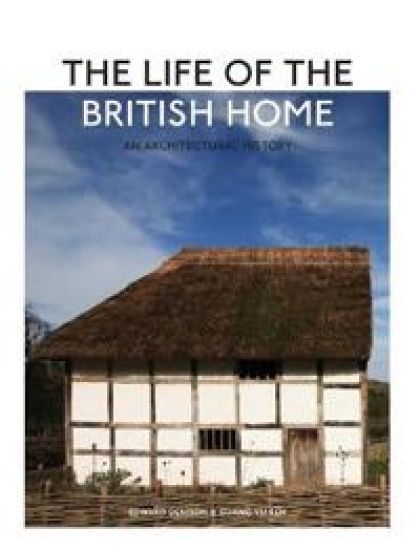
The Life of the British Home

Edward Denison; Guang Yu Ren

John Wiley Sons Inc
2012
sidottu
Unlocking the history of the British home, this book reveals how its layout has evolved from the Stone Age to the present day. From modest ancient dwellings and medieval merchants' houses to imposing stately mansions and modern urban estates, the book explores the forces that have shaped these homes. Each chapter brings these ideas to life by focusing on buildings that are accessible and open to the public. Featured homes include: the Tudor mansions of Cowdray and Burghley House; and the grand Georgian terraces of London, Bath and Brighton.
Asmara

Asmara

Edward Denison; Guang Yu Ren; Naigzy Gebremedhin

Merrell Publishers Ltd
2006
nidottu
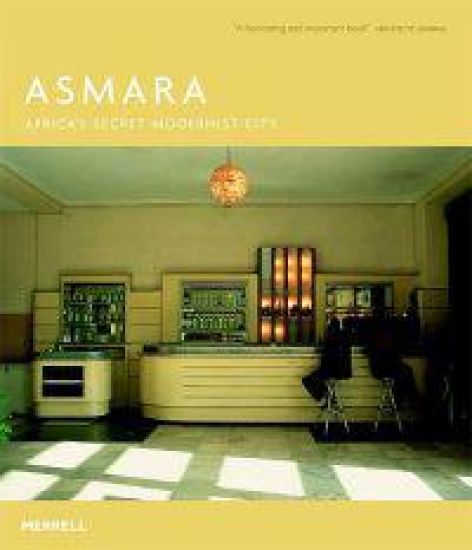
Asmara, the capital of the small East African country of Eritrea, bordering the Red Sea, is one of the most important and exciting architectural 'discoveries' of recent years. Built almost entirely in the 1930s by the Italians, who transformed it into a hotbed of radical architectural innovation, Asmara has one of the highest concentrations of Modernist architecture anywhere in the world. This superb building-by-building survey, illustrated with previously unpublished archival material and specially commissioned photography, chronicles the colonial past and remarkable survival of a city that has evocatively been described as "the Miami of Africa".
Eritrea

Eritrea

Edward Denison

Bradt Travel Guides
2022
nidottu
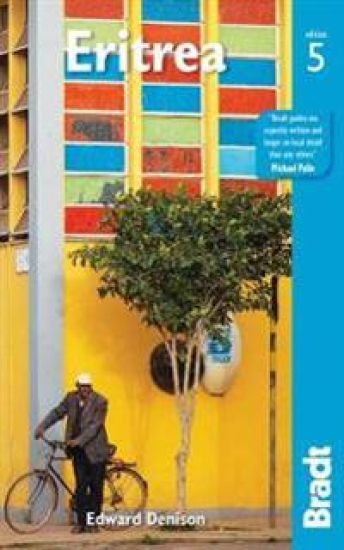
This new, fifth edition of Bradt's Eritrea remains the only full-blown guide to this intriguing northeast African country. Once again it has been thoroughly updated by Edward Denison, whose expertise draws on nearly a quarter of a century of personal and professional experience working in and with Eritrea, notably preparing Asmara's successful Nomination Dossier for inscription on UNESCO's World Heritage List, resulting in the city acquiring World Heritage Status in 2017. Eritrea is a unique destination, too often overlooked by all but the most adventurous travellers, but with a peace agreement with neighbouring Ethiopia having been signed in 2018 ending a two-decade long impasse, opportunities for visiting have increased significantly. This new edition covers everything from background and practical information to an in-depth seven-region breakdown of this comparatively small country, from the capital Asmara to the port city of Massawa, the islands, the southern Red Sea area of Dankalia, Keren and Kakfa, the western Lowlands and the Southern Highlands. Located at the crossroads of three continents, with a mix of African, Middle Eastern and European influences, and a 1,000km coastline and 2,500m high plateau giving rise to outstanding diversity and climatic contrasts, Eritrea offers an astonishing variety of activities and experiences. Bradt's Eritrea covers everything from archaeology to modernist architecture, precipitous mountainscapes to outstanding diving around the Dahlak Archipelago, steam railways to Africa's best cycling community, birdwatching to small game safaris, and amazing cuisine that reflects the nation's regional and colonial encounters. The country's astonishingly rich cultural heritage is also covered in detail, including its abundance of ancient historic sites, amongst them the bathing place and palace of the Queen of Sheba. Bradt's Eritrea offers everything you need for a successful trip.
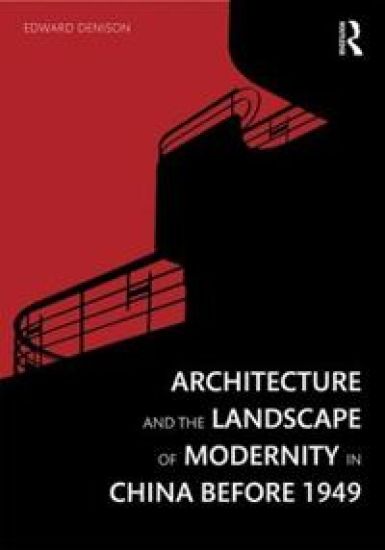
Architecture and the Landscape of Modernity in China before 1949
This book explores China’s encounter with architecture and modernity in the tumultuous epoch before Communism – an encounter that was mediated not by a singular notion of modernism emanating from the west, but that was uniquely multifarious, deriving from a variety of sources both from the west and, importantly, from the east. The heterogeneous origins of modernity in China are what make its experience distinctive and its architectural encounters exceptional. These experiences are investigated through a re-evaluation of established knowledge of the subject within the wider landscape of modern art practices in China. The study draws on original archival and photographic material from different artistic genres and, architecturally, concentrates on China’s engagement with the west through the treaty ports and leased territories, the emergence of architecture as a profession in China, and Japan’s omnipresence, not least in Manchuria, which reached its apogee in the puppet state of Manchukuo. The study’s geographically, temporally, and architecturally inclusive approach framed by the concept of multiple modernities questions the application of conventional theories of modernity or post-colonialism to the Chinese situation. By challenging conventional modernist historiography that has marginalised the experiences of the west’s other for much of the last century, this book proposes different ways of grappling with and comprehending the distinction and complexity of China’s experiences and its encounter with architectural modernity.
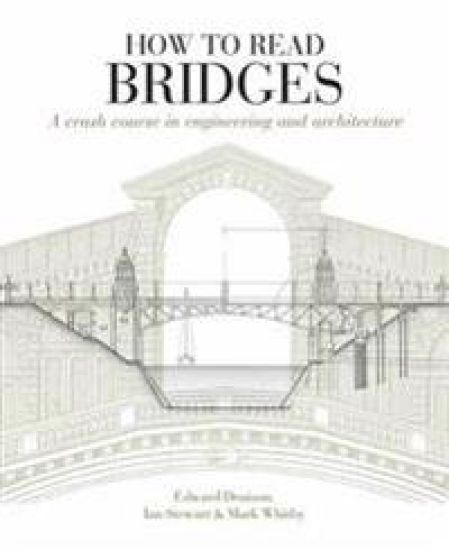
How to Read Bridges

How to Read Bridges

Edward Denison; Ian Stewart

Herbert Press Ltd
2018
nidottu

Halvin toimitettuna 18,70 €

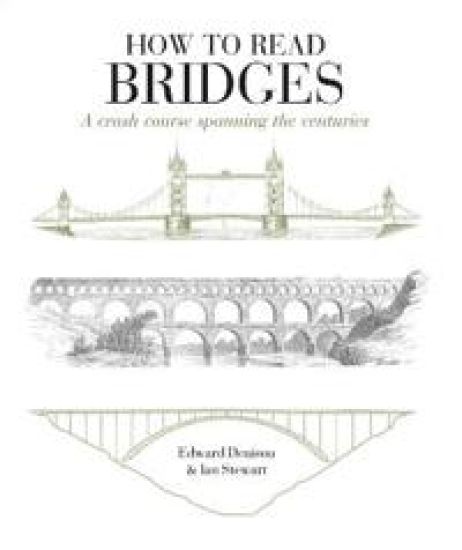
A lavishly illustrated practical guide for understanding bridges, with case studies of the world's most famous bridges. How to Read Bridges is a practical introduction to looking at the structure and purpose of bridges and a guide to reading the structural clues embedded in every bridge which allows you to appreciate their variety and ingenuity. Small enough to carry in your pocket and serious enough to provide real answers, this comprehensive guide analyses and explores all types of bridges from around the world from the first millennium to the present day and features the Brooklyn Bridge, Sydney Harbour Bridge, Golden Gate Bridge, Ponte Vecchio, Millau Viaduct and Pont des Arts. The book also explores fundamental concepts of bridge design, key materials and engineering techniques whilst providing an accessible visual guide with intelligent text, using detailed illustrations and cross-sections of technical features.
Architecture and the Landscape of Modernity in China before 1949
This book explores China’s encounter with architecture and modernity in the tumultuous epoch before Communism – an encounter that was mediated not by a singular notion of modernism emanating from the west, but that was uniquely multifarious, deriving from a variety of sources both from the west and, importantly, from the east. The heterogeneous origins of modernity in China are what make its experience distinctive and its architectural encounters exceptional. These experiences are investigated through a re-evaluation of established knowledge of the subject within the wider landscape of modern art practices in China. The study draws on original archival and photographic material from different artistic genres and, architecturally, concentrates on China’s engagement with the west through the treaty ports and leased territories, the emergence of architecture as a profession in China, and Japan’s omnipresence, not least in Manchuria, which reached its apogee in the puppet state of Manchukuo. The study’s geographically, temporally, and architecturally inclusive approach framed by the concept of multiple modernities questions the application of conventional theories of modernity or post-colonialism to the Chinese situation. By challenging conventional modernist historiography that has marginalised the experiences of the west’s other for much of the last century, this book proposes different ways of grappling with and comprehending the distinction and complexity of China’s experiences and its encounter with architectural modernity.
How to Read Bridges

How to Read Bridges

Edward Denison

Universe Publishing
2012
nidottu
This accessible book is a visual guide to understanding and identifying architectural styles and engineering techniques of all types of bridges, from ancient Roman arch bridges and nineteenth-century truss bridges prevalent in the United States, to the latest high-design cantilever and suspension bridges of the moment. It explores the elegant and varied ways in which engineers and architects have designed ever longer yet less heavy bridges, devising new methods of construction along the way. Illustrated throughout with detailed line drawings and cross sections, including dramatic images of the world's iconic bridges, this charming guide still fits in a pocket or purse--perfect for anyone who likes to explore the dynamic bridges and built environment on foot.
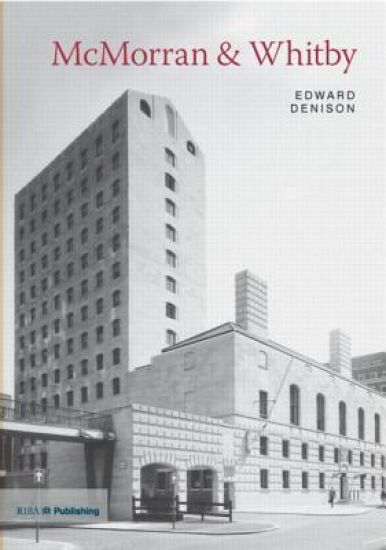
McMorran & Whitby

McMorran & Whitby

Edward Denison

RIBA Publishing
2009
nidottu
McMorran & Whitby are a secret presence in post-war British architecture. Led from the late 1950s by Donald McMorran and George Whitby, the practice represented an unbroken development from the monumental inter-war classicism represented by figures such as Charles Holden and Sir Edwin Lutyens. In seeking an alternative path for modern architecture, McMorran & Whitby produced durable buildings with a respect for context, but avoided any accusation of unimaginatively reproducing the past. Theirs was a progressive classicism full of invention and beauty. Being out of fashion, they suffered neglect but their work has increasingly won admirers and many of the buildings are now listed. This book is the first major publication on McMorran & Whitby's work, with an inspiring combination of contemporary photography and previously unpublished archival material. It is an essential read for architects, students, and historians, not least because it uncovers and celebrates buildings outside the mainstream that we need to understand and cherish. This book has been commissioned as part of a series of books on 20th Century Architects by RIBA Publishing, English Heritage and The Twentieth Century Society.
Trends in American Economic Growth

Trends in American Economic Growth

Edward Denison

Brookings Institution
1985
nidottu
The growth rate of national income has fluctuated widely in the United States since 1929. In this volume, Edward F. Denison uses the growth accounting methodology he pioneered and refined in earlier studies to track changes in the trend of output and its determinants. At every step he systematically distinguishes changes in the economy’s ability to produce—as measured by his series on potential national income—from changes in the ratio of actual output to potential output. Using data for earlier years as a backdrop, Denison focuses on the dramatic decline in the growth of potential national income that started in 1974 and was further accentuated beginning in 1980, and on the pronounced decline from business cycle to business cycle in the average ratio of actual to potential output, a slide under way since 1969. The decline in growth rates has been especially pronounced in national income per person employed and other productivity measures as growth of total output has slowed despite a sharp acceleration in growth of employment and total hours at work. Denison organizes his discussion around eight table that divide 1929-82 into three long periods (the last, 1973-82) and seven shorter periods (the most recent, 1973-79 and 1979-82). These tables provide estimates of the sources of growth for eight output measures in each period. Denison stresses that the 1973-82 period of slow growth in unfinished. He observes no improvement in the productivity trend, only a weak cyclical recovery from a 1982 low. Sources-of-growth tables isolate the contributions made to growth between “input” and “output per unit of input.” Even so, it is not possible to quantify separately the contribution of all determinants, and Denison evaluates qualitatively the effects of other developments on the productivity slowdown.