Kirjojen hintavertailu – 12 903 725 kirjaa ja 27 kauppaa

Kirjailija

Edward Goldring

Kirjat ja teokset yhdessä paikassa: 4 kirjaa, julkaisuja vuosilta 2025–2026, suosituimpiin kuuluu Purges. Vertaile teosten hintoja ja tarkista saatavuus suomalaisista kirjakaupoista.

4 kirjaa

Kirjojen julkaisuvuodet: 2025–2026.

Purges

Purges

Edward Goldring

CORNELL UNIVERSITY PRESS
2026
pokkari
Purges delves into one of the key tactics that autocrats deploy to maintain power: the removal of individuals from within the regime. From Kim Jong Un's execution of his uncle to Recep Tayyip Erdogan's removal of over a hundred Turkish generals, purges bear significant consequences for the survival and endurance of autocrats. Yet much remains unknown about why dictators use purges and whether they achieve their intended effects. Drawing on an original global dataset on civilian and military elite purges in dictatorships as well as case studies spanning North and South Korea as well as Turkey, Edward Goldring examines the logic behind purges and their consequences. He shows that dictators purge to consolidate power, punish disloyalty, and scapegoat elites to alleviate popular threats. But even as purges help dictators consolidate power early in their tenure, purges actually weaken their position when they have been in power for a long time, as they prompt pushback. In the face of an increasing global shift toward authoritarian norms, Purges offers critical insight into how autocrats maintain—and sometimes lose—power.

Purges

Purges

Edward Goldring

CORNELL UNIVERSITY PRESS
2026
sidottu
Purges delves into one of the key tactics that autocrats deploy to maintain power: the removal of individuals from within the regime. From Kim Jong Un's execution of his uncle to Recep Tayyip Erdogan's removal of over a hundred Turkish generals, purges bear significant consequences for the survival and endurance of autocrats. Yet much remains unknown about why dictators use purges and whether they achieve their intended effects. Drawing on an original global dataset on civilian and military elite purges in dictatorships as well as case studies spanning North and South Korea as well as Turkey, Edward Goldring examines the logic behind purges and their consequences. He shows that dictators purge to consolidate power, punish disloyalty, and scapegoat elites to alleviate popular threats. But even as purges help dictators consolidate power early in their tenure, purges actually weaken their position when they have been in power for a long time, as they prompt pushback. In the face of an increasing global shift toward authoritarian norms, Purges offers critical insight into how autocrats maintain—and sometimes lose—power.
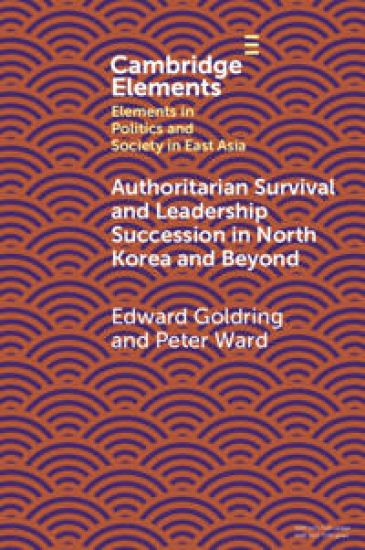
Authoritarian Survival and Leadership Succession in North Korea and Beyond

Authoritarian Survival and Leadership Succession in North Korea and Beyond

Edward Goldring; Peter Ward

Cambridge University Press
2025
sidottu
Authoritarian Survival and Leadership Succession in North Korea and Beyond examines how dictators manage elites to facilitate succession. Theoretically, it argues that personalistic incumbents facilitate the construction of a power base of elites from outside of their inner circle to help the successor govern once he comes to power. Then, once in office, successors consolidate power by initially relying on this power base to govern while marginalizing elites from their predecessor's inner circle before later targeting members of their own power base to further consolidate power. The Element presents evidence for these arguments from North Korea's two leadership transitions, leveraging original qualitative and quantitative evidence from inside North Korea. Comparative vignettes of succession in party-based China, Egypt's military regime, and monarchical Saudi Arabia demonstrate the theory's broader applicability. The Element contributes to research on comparative authoritarianism by highlighting how dictators use the non-institutional tool of elite management to facilitate succession.
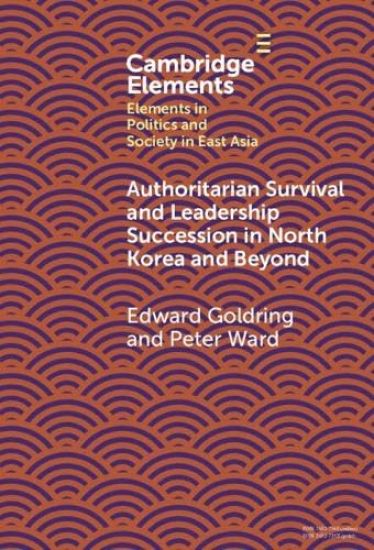
Authoritarian Survival and Leadership Succession in North Korea and Beyond

Authoritarian Survival and Leadership Succession in North Korea and Beyond

Edward Goldring; Peter Ward

Cambridge University Press
2025
pokkari
Authoritarian Survival and Leadership Succession in North Korea and Beyond examines how dictators manage elites to facilitate succession. Theoretically, it argues that personalistic incumbents facilitate the construction of a power base of elites from outside of their inner circle to help the successor govern once he comes to power. Then, once in office, successors consolidate power by initially relying on this power base to govern while marginalizing elites from their predecessor's inner circle before later targeting members of their own power base to further consolidate power. The Element presents evidence for these arguments from North Korea's two leadership transitions, leveraging original qualitative and quantitative evidence from inside North Korea. Comparative vignettes of succession in party-based China, Egypt's military regime, and monarchical Saudi Arabia demonstrate the theory's broader applicability. The Element contributes to research on comparative authoritarianism by highlighting how dictators use the non-institutional tool of elite management to facilitate succession.