Kirjojen hintavertailu – 12 903 725 kirjaa ja 27 kauppaa
Kirjailija
Edward Luttwak
Kirjat ja teokset yhdessä paikassa: 7 kirjaa, julkaisuja vuosilta 2011–2025, suosituimpiin kuuluu Liberties Journal of Culture and Politics. Vertaile teosten hintoja ja tarkista saatavuus suomalaisista kirjakaupoista.
Anthony Julius; Nicholas Lemann; Alfred Brendel; Paul Berman; Jorie Graham; Fouad Ajami; Jack Goldsmith; Edward Luttwak; Roberto Calasso; Ishion Hutchinson; Walter Sheidel; Helen Vendler; Robert Alter; Daryl Michael Scott; Rosanna Warren; Alastair Macaulay; David Greenberg
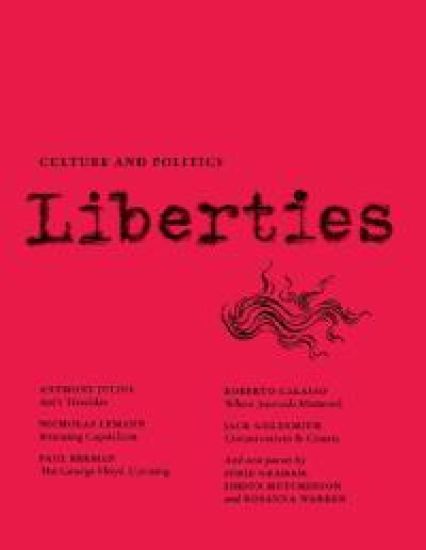
Liberties – A Journal of Culture and Politics features original essays and poetry from some of today’s best writers and artists to inspire and impact the intellectual and creative lifeblood of culture and politics. This issue of Liberties includes: Anthony Julius on censorship of the arts; Nicholas Lemann on rescuing capitalism; Alfred Brendel on playing Beethoven; Paul Berman on the George Floyd uprising; Fouad Ajami’s story of an honor killing; Jack Goldsmith on conservatives and the courts; Edward Luttwak on understanding China; Roberto Calasso on when journals mattered; Walter Scheidel on life after covid; Helen Vendler on the poet Robert Hayden; Robert Alter on Lolita today; Daryl Michael Scott on the 13th Amendment; Alastair Macaulay on Balanchine; David Greenberg on renaming our heritage; new poetry from Jorie Graham, Ishion Hutchinson, and Rosanna Warren; and, Leon Wieseltier (editor) and Celeste Marcus (managing editor).

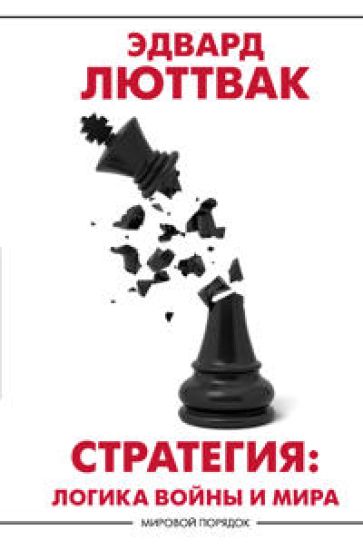
Edvard Ljuttvak - izvestnejshij spetsialist po voennoj strategii i geopolitike. Rabotal konsultantom v Sovete natsionalnoj bezopasnosti i v Gosudarstvennom departamente SSHA, byl sovetnikom prezidenta Ronalda Rejgana. Sozdatel geoekonomiki - razdela geopolitiki, gde issleduetsja ekonomicheskaja situatsija v razlichnykh stranakh s tselju povyshenija vlijanija gosudarstva s pozitsij ego ekonomicheskoj moschi i obespechenija dostizhenija vneshnepoliticheskikh tselej, mirovogo ili regionalnogo moguschestva ekonomicheskim putjom. V knige "Strategija: logika vojny i mira" rasskazyvaetsja o "paradoksalnoj" logike, lezhaschej v osnove strategicheskogo myshlenija. Obsuzhdajutsja chetyre urovnja strategii: tekhnika, taktika, operativnoe iskusstvo, strategija teatra voennykh dejstvij i bolshaja strategija. Avtor analiziruet vojny novogo tipa - "postgeroicheskie vojny", porozhdjonnye strakhom poter i zhelaniem izbezhat ikh ljuboj tsenoj.
"Gosudarstvennyj perevorot: Prakticheskoe posobie". Dannaja kniga vyshla v svet v 1968 godu, s tekh por ona byla perevedena na 14 jazykov i preterpela mnogo pereizdanij. V Rossii ona izdaetsja vpervye. Soderzhanie knigi ochen khorosho kharakterizujut sledujuschie tsitaty iz predislovij k izdanijam raznykh godov: Edvard Ljuttvak, 1968: "Eto - prakticheskoe rukovodstvo k dejstviju, svoego roda spravochnik. Poetomu v nem net teoreticheskogo analiza gosudarstvennogo perevorota; zdes opisany tekhnologii, kotorye mozhno primenit dlja zakhvata vlasti v tom ili inom gosudarstve. Etu knigu mozhno sravnit s kulinarnym spravochnikom, poskolku ona daet vozmozhnost ljubomu vooruzhennomu entuziazmom - i pravilnymi ingredientami - neprofessionalu sovershit svoj sobstvennyj perevorot; nuzhno tolko znat pravila"; Uolter Laker, 1978: "Segodnja eta kniga, vozmozhno, predstavljaet dazhe bolshij interes, chem v 60-e: poslednee desjatiletie pokazalo, chto teper gosudarstvennyj perevorot - otnjud ne redkoe dlja tsivilizovannogo mira iskl
Edvard Ljuttvak - izvestnejshij spetsialist po voennoj strategii i geopolitike. Rabotal konsultantom v Sovete natsionalnoj bezopasnosti i v Gosudarstvennom departamente SSHA, byl sovetnikom prezidenta Ronalda Rejgana. Sozdatel geoekonomiki - razdela geopolitiki, gde issleduetsja ekonomicheskaja situatsija v razlichnykh stranakh s tselju povyshenija vlijanija gosudarstva s pozitsij ego ekonomicheskoj moschi i obespechenija dostizhenija vneshnepoliticheskikh tselej, mirovogo ili regionalnogo moguschestva ekonomicheskim putem. V knige "Strategija: Logika vojny i mira" rasskazyvaetsja o "paradoksalnoj" logike, lezhaschej v osnove strategicheskogo myshlenija. Obsuzhdajutsja chetyre urovnja strategii: tekhnika, taktika, operativnoe iskusstvo, strategija teatra voennykh dejstvij i bolshaja strategija. Avtor analiziruet vojny novogo tipa - "postgeroicheskie vojny", porozhdennye strakhom poter i zhelaniem izbezhat ikh ljuboj tsenoj.
Kniga Edvarda N. Ljuttvaka "Strategija Vizantijskoj imperii" predstavljaet soboju popytku otvetit na vopros o tom, pochemu Vizantijskaja - Vostochnaja Rimskaja - imperija prosuschestvovala pochti vdvoe dolshe Zapadnoj. Etot vopros uzhe ne raz privlekal vnimanie istorikov. Ved u Vizantii ne bylo kakikh-libo osobykh geograficheskikh ili voennykh preimuschestv po sravneniju s Rimom, a okruzhavshie ee narody i plemena byli ne menee moguschestvenny i kovarny, chem te, chto v techenie pjatogo veka nashej ery okonchatelno razorili Zapadnuju imperiju. Pozitsija Ljuttvaka interesna tem, chto on issleduet cheredu sobytij vizantijskoj istorii, ispolzuja ne tolko traditsionnyj instrumentarij istorikov-teoretikov, no i metodologiju i nabor sredstv, osvoennye im v protsesse raboty v kachestve spetsialista po izucheniju sovremennykh nam gosudarstvennykh obrazovanij..." Strategija Vizantijskoj imperii" - eto istorija formirovanija i razvitija kompleksnoj strategii Vizantii, vkljuchavshej v sebja mnozhestvo aspektov: voennoe delo, diplomatiju, razvedku,
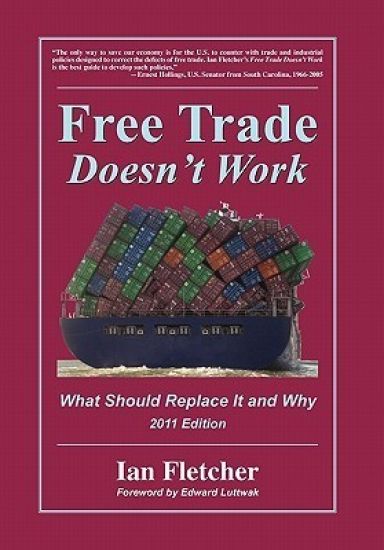
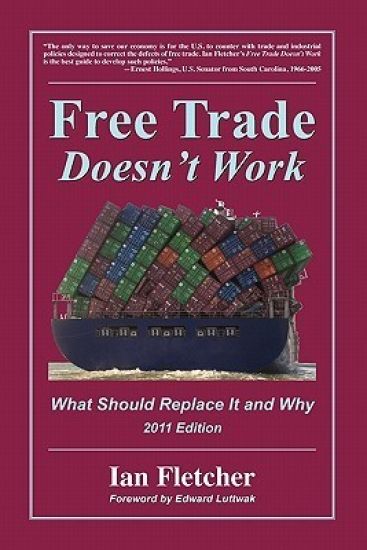
This very readable book is aimed at both ordinary concerned citizens and people with a bit of sophistication about economics. It is a systematic examination of why free trade is slowly bleeding America's economy to death and what can be done about it. It explains in detail why the standard economic arguments free traders use all the time are false, and what kind of economic ideas - well within the grasp of the average American - justify protectionism instead. It examines the history and politics of free trade and explains how America came to adopt its present disastrous free trade policy. It looks at the breakdown of specific industries and how we can rebuild them and bring millions of high-paying jobs back to this country. It examines what's wrong with NAFTA, CAFTA, the WTO, and the proposed Trans-Pacific Partnership. It is sharply critical of the current establishment, but from a bipartisan point of view, so it should satisfy progressives, conservatives, and everyone in between. Unlike many past critiques of free trade, it is economically-literate; it also explains New Trade Theory, the hot new area of economics that critiques free trade.
Are you wondering how Americans can compete with nations like China? Are you wondering how, if they can offshore call centers, computer programming, and accounting, there will be any good jobs left they can't offshore? Are you wondering how America can keep importing and running up debt without going bankrupt? Are you wondering how America can be a powerful nation without an industrial base? Are you wondering why the politicians keep denying all of these problems? Are you wondering whether the economics you learned in school and hear on TV is really valid? Are you wondering who you can trust? This very readable book is aimed at both ordinary concerned citizens and people with a bit of sophistication about economics. It is a systematic examination of why free trade is slowly bleeding America's economy to death and what can be done about it. It explains in detail why the standard economic arguments free traders use all the time are false, and what kind of economic ideas - well within the grasp of the average American - justify protectionism instead. It examines the history and politics of free trade and explains how America came to adopt its present disastrous free trade policy. It looks at the breakdown of specific industries and how we can rebuild them and bring millions of high-paying jobs back to this country. It examines what's wrong with NAFTA, CAFTA, the WTO, and the proposed Trans-Pacific Partnership. It is sharply critical of the current establishment, but from a bipartisan point of view, so it should satisfy progressives, conservatives, and everyone in between. Unlike many past critiques of free trade, it is economically-literate; it also explains New Trade Theory, the hot new area of economics that critiques free trade.