Kirjojen hintavertailu – 12 903 724 kirjaa ja 27 kauppaa

Kirjailija

Edward Peters

Kirjat ja teokset yhdessä paikassa: 12 kirjaa, julkaisuja vuosilta 1972–2026, suosituimpiin kuuluu The Lombard Laws. Vertaile teosten hintoja ja tarkista saatavuus suomalaisista kirjakaupoista.

12 kirjaa

Kirjojen julkaisuvuodet: 1972–2026.

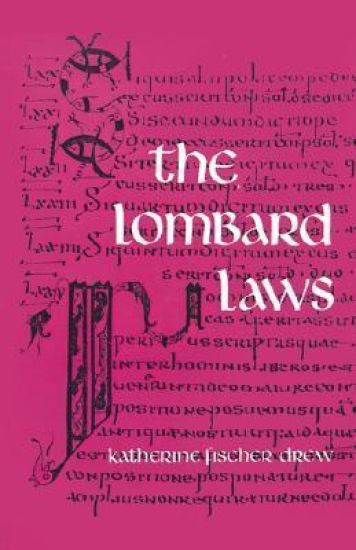
The Lombard Laws

The Lombard Laws

Edward Peters

University of Pennsylvania Press
1973
pokkari
Here presented for the first time in English are the law codes of the Lombard kings who ruled Italy from the sixth to the eighth centuries. The documents afford unparalleled insight into the structure and values of Germanic society.
Introductory Chemistry

Introductory Chemistry

Mark Cracolice; Edward Peters

CENGAGE LEARNING, INC
2026
nidottu
Learn the skills you need to succeed in your chemistry course with "Introductory Chemistry," 8th Edition. This proven resource will help you every step of the way as you develop quantitative skills, apply scientific reasoning and learn how to study. Available in WebAssign, this text includes everything you need to succeed in chemistry.
Introductory Chemistry

Introductory Chemistry

Mark Cracolice; Edward Peters

Brooks/Cole
2020
nidottu
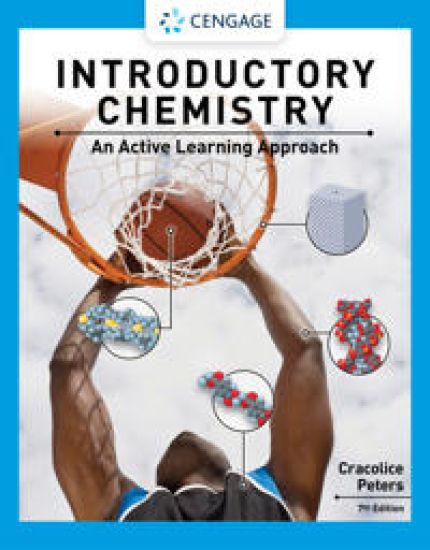
Learn the skills you need to succeed in your chemistry course with INTRODUCTORY CHEMISTRY: AN ACTIVE LEARNING APPROACH, 7th Edition. Known for threaded remediation of topics, this text assumes no prior knowledge of Chemistry. This proven resource will help you every step of the way as you develop the skills you need write routine chemical formulas and equations, set up and solve chemistry problems, think about fundamental chemistry on an atomic or molecular level, and visualize what happens in a chemical change. The text combined with the online resources and instant feedback in OWLv2 sets you on your way to developing a deeper understanding of chemistry concepts and solving complex problems in all aspects of your life.
Introductory Chemistry

Introductory Chemistry

Mark Cracolice; Edward Peters

Brooks/Cole
2015
nidottu
Learn chemistry actively while studying assignments with INTRODUCTORY CHEMISTRY. The authors' question-and-answer format is reflected in three words of advice and encouragement that are repeated throughout the book: Learn It Now! Each chapter includes an Everyday Chemistry section that illustrates how chemistry is applied in daily life. This edition integrates new features such as technological resources, coached problems, and enhanced art and photography, all of which dovetail with the authors' active learning approach.
Introductory Chemistry

Introductory Chemistry

Mark Cracolice; Edward Peters

Brooks/Cole
2012
nidottu
Learn chemistry actively while studying assignments with INTRODUCTORY CHEMISTRY, 5E, International Edition. The authors' question-and-answer format is reflected in three words of advice and encouragement that are repeated throughout the book: Learn It Now! Each chapter includes an Everyday Chemistry section that illustrates how chemistry is applied in daily life. This edition integrates new features such as technological resources, coached problems, and enhanced art and photography, all of which dovetail with the authors' active learning approach.
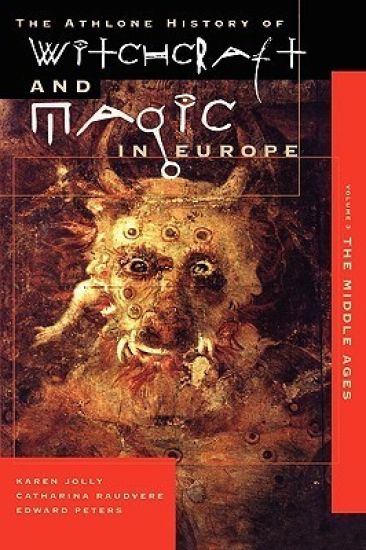
Athlone History of Witchcraft and Magic in Europe

Athlone History of Witchcraft and Magic in Europe

Karen Jolly; Catharina Raudvere; Edward Peters
BLOOMSBURY PUBLISHING PLC
2002
sidottu
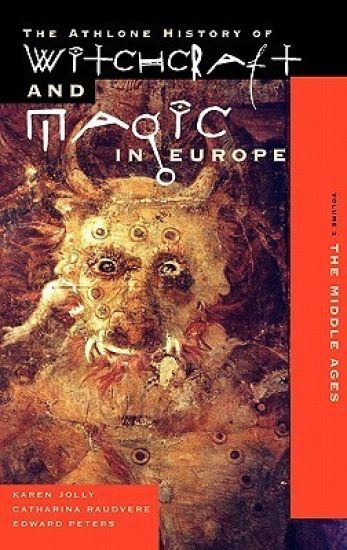
Between the age of St. Augustine and the sixteenth century reformations magic continued to be both a matter of popular practice and of learned inquiry. This volume deals with its use in such contexts as healing and divination and as an aspect of the knowledge of nature's occult virtues and secrets.
Limits of Thought and Power in Medieval Europe
The essays in this volume constitute a series of investigations into the limitations on thought and power as conceived by thinkers in the medieval West and they draw on material ranging from law to literature. The author deals with limits on the human desire for knowledge, the passion with which knowledge could legitimately be pursued, and the propriety of the knowledge sought, as well as the limits that might be tolerable and tolerated in the case of royal incapacity or misbehaviour. One particular focus is the work of Dante Alighieri, and these ideas are traced across a wide range of his thought. Chronologically the essays run from Augustine and the Gnostics through to Shakespeare.
The First Crusade

The First Crusade

Edward Peters

University of Pennsylvania Press
1998
pokkari
The First Crusade received its name and shape late. To its contemporaries, the event was a journey and the men who took part in it pilgrims. Only later were those participants dubbed Crusaders-"those signed with the Cross." In fact, many developments with regard to the First Crusade, like the bestowing of the cross and the elaboration of Crusaders' privileges, did not occur until the late twelfth century, almost one hundred years after the event itself. In a greatly expanded second edition, Edward Peters brings together the primary texts that document eleventh-century reform ecclesiology, the appearance of new social groups and their attitudes, the institutional and literary evidence dealing with Holy War and pilgrimage, and, most important, the firsthand experiences by men who participated in the events of 1095-1099. Peters supplements his previous work by including a considerable number of texts not available at the time of the original publication. The new material, which constitutes nearly one-third of the book, consists chiefly of materials from non-Christian sources, especially translations of documents written in Hebrew and Arabic. In addition, Peters has extensively revised and expanded the Introduction to address the most important issues of recent scholarship.
Torture

Torture

Edward Peters

University of Pennsylvania Press
1996
pokkari
"Torture has ceased to exist," Victor Hugo claimed, with some justification, in 1874. Yet more than a century later, torture is used routinely in one out of every three countries. This book is about torture in Western society from earliest times to the present. A landmark study since its original publication a decade ago, Torture is now available in an expanded and updated paperback edition. Included for the first time is a broad and disturbing selection of documents charting the historical practice of torture from the ancient Romans to the Khmer Rouge.
The Magician, the Witch, and the Law

The Magician, the Witch, and the Law

Edward Peters

University of Pennsylvania Press
1982
pokkari
In the early Middle Ages, magic was considered a practical science, requiring study and skill. But as European society became more articulate and self-conscious, the old tradition of magic as a science became associated with heresy and sorcery. Thereafter the Middle Ages knew no safe, learned magic that was not subject to accusation of diabolism in one form or another, and the magician, like the later witch, could be punished for both spiritual and temporal offenses. Through Peters's analysis of the legal, ecclesiastical, and literary responses to this problem, magic and witchcraft are located more accurately in the cultural context of the time, providing important insight into medieval history.
The Burgundian Code

The Burgundian Code

Edward Peters

University of Pennsylvania Press
1972
nidottu
"Gives the reader a portrayal of the social institutions of a Germanic people far richer and more exhaustive than any other available source."-from the Foreword, by Edward Peters From the bloody clashes of the third and fourth centuries there emerged a society that was neither Roman nor Burgundian, but a compound of both. The Burgundian Code offers historians and anthropologists alike illuminating insights into a crucial period of contact between a developed and a tribal society.