Kirjojen hintavertailu – 12 903 725 kirjaa ja 27 kauppaa

Kirjailija

Edward Shorter

Kirjat ja teokset yhdessä paikassa: 26 kirjaa, julkaisuja vuosilta 1990–2022, suosituimpiin kuuluu Shock Therapy. Vertaile teosten hintoja ja tarkista saatavuus suomalaisista kirjakaupoista.

26 kirjaa

Kirjojen julkaisuvuodet: 1990–2022.

The Kennedy Family

The Kennedy Family

Edward Shorter

Temple University Press,U.S.
2000
sidottu
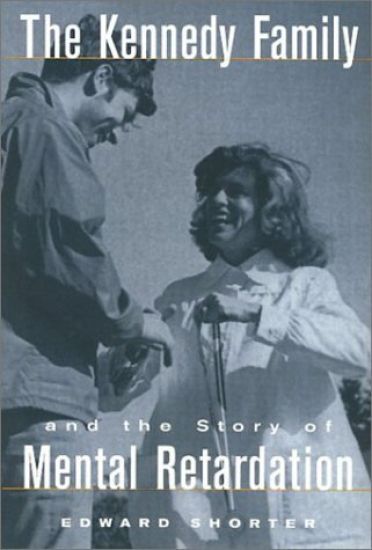
According to Edward Shorter, just forty years ago the institutions housing people with mental retardation (MR) had become a national scandal. The mentally retarded who lived at home were largely isolated and a source of family shame. Although some social stigma still attaches to the people with developmental disabilities (a range of conditions including what until recently was called mental retardation), they now actively participate in our society and are entitled by law to educational, social, and medical services. The immense improvement in their daily lives and life chances came about in no small part because affected families mobilized for change but also because the Kennedy family made mental retardation its single great cause. Long a generous benefactor of MR-related organizations, Joseph P. Kennedy made MR the special charitable interest of the family foundation he set up in the 1950s. Although he gave all of his children official roles, he involved his daughter Eunice in performing its actual work -- identifying appropriate recipients of awards and organizing the foundation's activities. With unique access to family and foundation papers, Shorter brings to light the Kennedy family's strong commitment to public service, showing that Rose and Joe taught their children by precept and example that their wealth and status obligated them to perform good works. Their parents expected each of them to apply their considerable energies to making a difference. Eunice Kennedy Shriver took up that charge and focused her organizational and rhetorical talent on putting MR on the federal policy agenda. As a sister of the President of the United States, she had access to the most powerful people in the country and drew their attention to the desperate situation of families affected by mental retardation. Her efforts made an enormous difference, resulting in unprecedented public attention to MR and new approaches to coordinating medical and social services. Along with her husband, R. Sargent Shriver, she made the Special Olympics an international, annual event in order to encourage people with mental retardation to develop their skills and discover the joy of achievement. She emerges from these pages as a remarkable and dedicated advocate for people with developmental disabilities. Shorter's account of mental retardation presents an unfamiliar view of the Kennedy family and adds a significant chapter to the history of disability in this country.
The Kennedy Family

The Kennedy Family

Edward Shorter

Temple University Press,U.S.
2000
pokkari
According to Edward Shorter, just forty years ago the institutions housing people with mental retardation (MR) had become a national scandal. The mentally retarded who lived at home were largely isolated and a source of family shame. Although some social stigma still attaches to the people with developmental disabilities (a range of conditions including what until recently was called mental retardation), they now actively participate in our society and are entitled by law to educational, social, and medical services. The immense improvement in their daily lives and life chances came about in no small part because affected families mobilized for change but also because the Kennedy family made mental retardation its single great cause. Long a generous benefactor of MR-related organizations, Joseph P. Kennedy made MR the special charitable interest of the family foundation he set up in the 1950s. Although he gave all of his children official roles, he involved his daughter Eunice in performing its actual work -- identifying appropriate recipients of awards and organizing the foundation's activities. With unique access to family and foundation papers, Shorter brings to light the Kennedy family's strong commitment to public service, showing that Rose and Joe taught their children by precept and example that their wealth and status obligated them to perform good works. Their parents expected each of them to apply their considerable energies to making a difference. Eunice Kennedy Shriver took up that charge and focused her organizational and rhetorical talent on putting MR on the federal policy agenda. As a sister of the President of the United States, she had access to the most powerful people in the country and drew their attention to the desperate situation of families affected by mental retardation. Her efforts made an enormous difference, resulting in unprecedented public attention to MR and new approaches to coordinating medical and social services. Along with her husband, R. Sargent Shriver, she made the Special Olympics an international, annual event in order to encourage people with mental retardation to develop their skills and discover the joy of achievement. She emerges from these pages as a remarkable and dedicated advocate for people with developmental disabilities. Shorter's account of mental retardation presents an unfamiliar view of the Kennedy family and adds a significant chapter to the history of disability in this country.

A History of Psychiatry

A History of Psychiatry

Edward Shorter

JOHN WILEY SONS INC
1998
nidottu

Halvin toimitettuna 39,40 €

"PPPP . . . To compress 200 years of psychiatric theory and practice into a compelling and coherent narrative is a fine achievement . . . . What strikes the reader [most] are Shorter's storytelling skills, his ability to conjure up the personalities of the psychiatrists who shaped the discipline and the conditions under which they and their patients lived."--Ray Monk The Mail on Sunday magazine, U. K. "An opinionated, anecdote-rich history. . . . While psychiatrists may quibble, and Freudians and other psychoanalysts will surely squawk, those without a vested interest will be thoroughly entertained and certainly enlightened."--Kirkus Reviews. "Shorter tells his story with immense panache, narrative clarity, and genuinely deep erudition."--Roy Porter Wellcome Institute for the History of Medicine. In A History of Psychiatry, Edward Shorter shows us the harsh, farcical, and inspiring realities of society's changing attitudes toward and attempts to deal with its mentally ill and the efforts of generations of scientists and physicians to ease their suffering. He paints vivid portraits of psychiatry's leading historical figures and pulls no punches in assessing their roles in advancing or sidetracking our understanding of the origins of mental illness. Shorter also identifies the scientific and cultural factors that shaped the development of psychiatry. He reveals the forces behind the unparalleled sophistication of psychiatry in Germany during the eighteenth and nineteenth centuries as well as the emergence of the United States as the world capital of psychoanalysis. This engagingly written, thoroughly researched, and fiercely partisan account is compelling reading for anyone with a personal, intellectual, or professional interest in psychiatry.
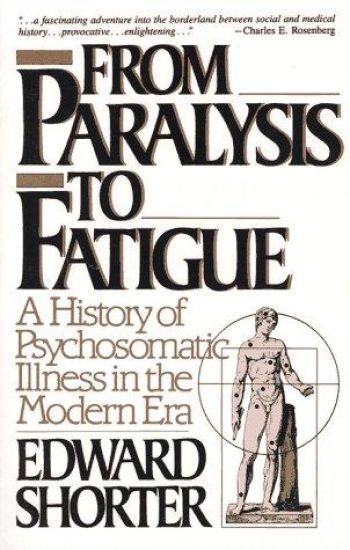
From Paralysis to Fatigue

From Paralysis to Fatigue

Edward Shorter

The Free Press
1993
pokkari

Halvin toimitettuna 29,10 €

This fascinating history of psychosomatic disorders shows how patients throughout the centuries have produced symptoms in tandem with the cultural shifts of the larger society. Newly popularized diseases such as "chronic fatigue syndrome" and "total allergy syndrome" are only the most recent examples of patients complaining of ailments that express the truths about the culture in which they live.
Doctors and Their Patients

Doctors and Their Patients

Edward Shorter

Transaction Publishers
1991
nidottu
With every passing year, the mutual mistrust between doctor and patient widens, as doctors retreat into resentment and patients become increasingly disillusioned with the quality of care. Rich in anecdote as well as science 'Doctors and Their Patients' describes how both have arrived at this sad shape.
Women's Bodies

Women's Bodies

Edward Shorter

Transaction Publishers
1990
nidottu
What has been the source of women's oppression by men? Shorter argues that women were victimized by their own bodies. Exploring five centuries of medical records and folklore from Europe and the US, he shows how pregnancy, childbirth, and gynecological disease have kept women in positions of social