Kirjojen hintavertailu – 12 859 828 kirjaa ja 27 kauppaa

Kirjailija

Egidio Ivetic

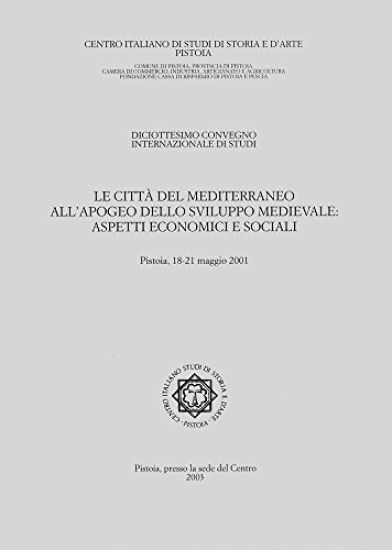
Kirjat ja teokset yhdessä paikassa: 5 kirjaa, julkaisuja vuosilta 2003–2025, suosituimpiin kuuluu Le Citta del Mediterraneo All'apogeo Dello Sviluppo Medievale: Aspetti Economici E Sociali. Vertaile teosten hintoja ja tarkista saatavuus suomalaisista kirjakaupoista.

5 kirjaa

Kirjojen julkaisuvuodet: 2003–2025.

History of the Adriatic

History of the Adriatic

Egidio Ivetic

JOHN WILEY AND SONS LTD
2025
nidottu

Halvin toimitettuna 26,60 €

The Adriatic is ‘the small Mediterranean’ – a sea within a sea, part of the Mediterranean and at the same time detached from it, a largely enclosed sea with stunning coastlines and a long history of commercial, political and cultural exchange. Silent witness to the flow of civilizations, the Adriatic is the meeting point of East and West where many empires had their frontiers and some overlapped. With Italy on one side and the Balkans on the other, the Adriatic is the area where the Latin West became intertwined with the Greek and Ottoman East. This book tells the history of the Adriatic from the first cultures of the Neolithic Age through to the present day. All of the great civilizations and cultures that bordered and crossed the Adriatic are discussed: Ancient Greece and Rome, Byzantium and the Holy Roman Empire, Venice and the Ottomans, Catholicism, Orthodox Christianity and Islam. Byzantium was replaced by Venice, queen of the Adriatic, which reached its zenith at the beginning of the sixteenth century and maintained commercial and military hegemony in its Gulf, sharing the sea with the Turks, the Habsburgs, the Pope and the Spanish vice-kingdom of Naples. It was Napoleon who ended Venice’s reign in 1797. In the nineteenth century, the Austrian Empire prevailed, and Central Europe reached the Mediterranean through the Adriatic. United Italy placed its most symbolic frontier in the eastern Adriatic, clashing with Austria-Hungary in the First World War. The twentieth century was marked by the prolonged conflicts and eventually peace between Yugoslavia, Albania and Italy. Today the Adriatic is a region increasingly integrated into the European Union, experiencing a new era of cooperation following the dramatic collapse of Yugoslavia. Across centuries, this book illustrates the rich cultural and artistic heritage of diverse civilizations as they left their mark on the cities, shores and states of the Adriatic.
History of the Adriatic

History of the Adriatic

Egidio Ivetic

JOHN WILEY AND SONS LTD
2022
sidottu
The Adriatic is ‘the small Mediterranean’ – a sea within a sea, part of the Mediterranean and at the same time detached from it, a largely enclosed sea with stunning coastlines and a long history of commercial, political and cultural exchange. Silent witness to the flow of civilizations, the Adriatic is the meeting point of East and West where many empires had their frontiers and some overlapped. With Italy on one side and the Balkans on the other, the Adriatic is the area where the Latin West became intertwined with the Greek and Ottoman East. This book tells the history of the Adriatic from the first cultures of the Neolithic Age through to the present day. All of the great civilizations and cultures that bordered and crossed the Adriatic are discussed: Ancient Greece and Rome, Byzantium and the Holy Roman Empire, Venice and the Ottomans, Catholicism, Orthodox Christianity and Islam. Byzantium was replaced by Venice, queen of the Adriatic, which reached its zenith at the beginning of the sixteenth century and maintained commercial and military hegemony in its Gulf, sharing the sea with the Turks, the Habsburgs, the Pope and the Spanish vice-kingdom of Naples. It was Napoleon who ended Venice’s reign in 1797. In the nineteenth century, the Austrian Empire prevailed, and Central Europe reached the Mediterranean through the Adriatic. United Italy placed its most symbolic frontier in the eastern Adriatic, clashing with Austria-Hungary in the First World War. The twentieth century was marked by the prolonged conflicts and eventually peace between Yugoslavia, Albania and Italy. Today the Adriatic is a region increasingly integrated into the European Union, experiencing a new era of cooperation following the dramatic collapse of Yugoslavia. Across centuries, this book illustrates the rich cultural and artistic heritage of diverse civilizations as they left their mark on the cities, shores and states of the Adriatic.
La Scuola Grande Di San Marco E Le Scuole in Venezia Tra Religiosita Laica E Funzione Sociale
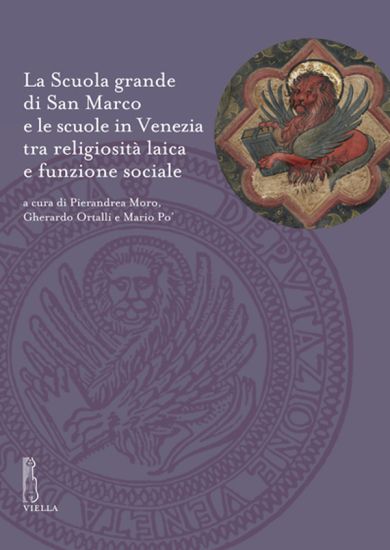
Ci sono volumi e incontri di studio che - al di la delle ragioni della ricerca - vogliono segnare la particolarita di uno speciale momento. Con quest'opera sulla Scuola grande di San Marco si e voluto celebrare il recupero di un bene culturale di straordinario prestigio: appunto la Scuola grande di San Marco. Antica sede della confraternita ('scuola', nel linguaggio veneziano) intitolata al protettore di Venezia, istituita nel pieno Duecento e presto destinata ad essere tra quelle piu prestigiose della Serenissima, in eta napoleonica l'antica sede, dopo la soppressione della confraternita (1807), fu trasformata prima in ospedale militare austriaco e in seguito in ospedale civile, con profonde alterazioni e danni. Rimasto di proprieta dell'ente ospedaliero veneziano, dopo importanti opere di restauro l'edificio e stato riaperto al pubblico nel 2013 e per celebrare questo evento si e organizzato l'incontro i cui risultati vengono ora proposti ai lettori. Il riferimento alla confraternita marciana e alla sua sede e stato l'occasione per l'analisi degli aspetti principali di una religiosita laica la cui preminente funzione sociale continua per certi versi nella odierna funzione ospedaliera. >
Un Confine Nel Mediterraneo: L'Adriatico Orientale Tra Italia E Slavia (1300-1900)
L'Adriatico orientale e una delle zone piu complesse del Mediterraneo. Il libro propone una lettura di questo litorale: confine tra modelli di civilta, frontiera tra Stati e religioni, un soggetto/oggetto storico di per se ancora non compreso. > Piu nello specifico, si interpreta qui la faglia divisoria, il confine tra Italia e Slavia, intese come dimensioni linguistiche e di identificazione, che per secoli si sono sedimentate, confrontate e infine contrapposte sulle rive orientali dell'Adriatico. I confini orientali d'Italia sfumano tra le civilta urbane vincolate a Venezia e l'entroterra montuoso, si confondono nella stessa Slavia adriatica, in una reciprocita che complica l'idea dello spazio culturale e nazionale omogeneo, sia italiano sia slavo. > Sullo sfondo di una riflessione storiografica transnazionale, e con lo sguardo non circoscritto alle periodizzazioni tradizionali, il libro ripercorre le convivenze e le divisioni tra popolazioni, decostruisce l'idea stessa di confine, andando oltre i canoni delle storiografie coinvolte e le separazioni culturali ancora vive in queste terre mediterranee. >