Kirjojen hintavertailu – 12 871 288 kirjaa ja 27 kauppaa

Kirjailija

Elaine Fletcher-Janzen

Kirjat ja teokset yhdessä paikassa: 6 kirjaa, julkaisuja vuosilta 1989–2026, suosituimpiin kuuluu Translating Affective Neuroscience into Clinical and Educational Practice. Vertaile teosten hintoja ja tarkista saatavuus suomalaisista kirjakaupoista.

6 kirjaa

Kirjojen julkaisuvuodet: 1989–2026.

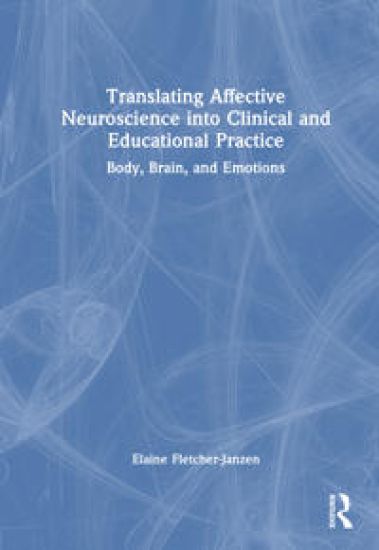
Translating Affective Neuroscience into Clinical and Educational Practice
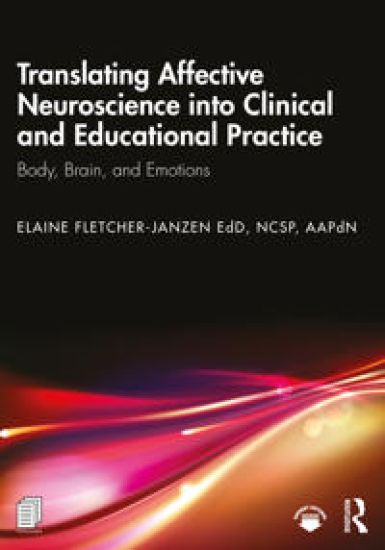
This book is accessible guide to understanding emotion through the lens of neuroscience. It provides a practical, developmentally informed framework with tools to translate affective neuroscience into everyday practice. The author introduces a neuroscience-informed model of emotion grounded in the body–brain connection, explaining the theory of affective neuroscience and including practical strategies for use in both therapeutic and educational settings. Drawing on foundational work by Panksepp, Damasio, Craig, and others, the book emphasizes how seven core emotional systems drive human behavior, development, and relational experience. Describing the development and application of the Affective Inventory, it provides clinician-facing steps and reflective exercises. Through clear explanations, engaging examples, and powerful clinical insights, this book reveals how our body and brain work together to shape feeling, behavior, and connection—helping readers navigate emotion with compassion, clarity, and confidence. Downloadable client handouts are provided for practitioners and educators. Translating Affective Neuroscience into Clinical and Educational Practice: Body, Brain, and Emotions will appeal to clinical psychologists, neuropsychologists, school psychologists, therapists, and counselors, as well as graduate students of neuroscience and neuropsychology, and education professionals.
Translating Affective Neuroscience into Clinical and Educational Practice
This book is accessible guide to understanding emotion through the lens of neuroscience. It provides a practical, developmentally informed framework with tools to translate affective neuroscience into everyday practice. The author introduces a neuroscience-informed model of emotion grounded in the body–brain connection, explaining the theory of affective neuroscience and including practical strategies for use in both therapeutic and educational settings. Drawing on foundational work by Panksepp, Damasio, Craig, and others, the book emphasizes how seven core emotional systems drive human behavior, development, and relational experience. Describing the development and application of the Affective Inventory, it provides clinician-facing steps and reflective exercises. Through clear explanations, engaging examples, and powerful clinical insights, this book reveals how our body and brain work together to shape feeling, behavior, and connection—helping readers navigate emotion with compassion, clarity, and confidence. Downloadable client handouts are provided for practitioners and educators. Translating Affective Neuroscience into Clinical and Educational Practice: Body, Brain, and Emotions will appeal to clinical psychologists, neuropsychologists, school psychologists, therapists, and counselors, as well as graduate students of neuroscience and neuropsychology, and education professionals.
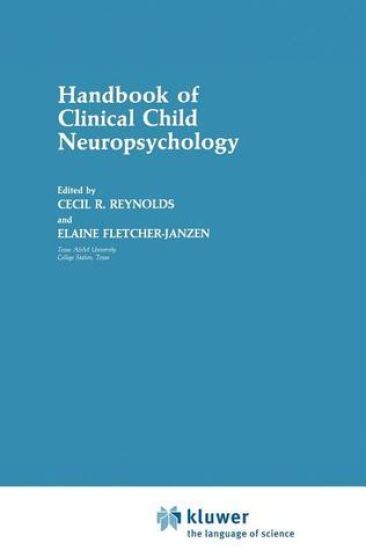
Handbook of Clinical Child Neuropsychology

Handbook of Clinical Child Neuropsychology

Cecil R. Reynolds; Elaine Fletcher-Janzen

Springer-Verlag New York Inc.
2013
nidottu
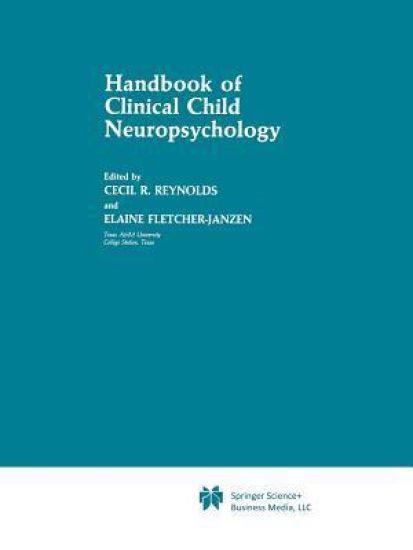
The past decade has brought important advances in our understanding of the brain, particularly its influence on the behavior, emotions, and personality of children and adolescents. In the tradition of its predecessors, the third edition of the Handbook of Clinical Child Neuropsychology enhances this understanding by emphasizing current best practice, up-to-date science, and emerging theoretical trends for a comprehensive review of the field. Along with the Handbook’s impressive coverage of normal development, pathology, and professional issues, brand-new chapters highlight critical topics in assessment, diagnostic, and treatment, including, The role and prevalence of brain dysfunction in ADHD, conduct disorder, the autistic spectrum, and other childhood disorders; The neuropsychology of learning disabilities; Assessment of Spanish-speaking children and youth; Using the PASS (planning, attention, simultaneous, successive) theory in neurological assessment; Forensic child neuropsychology; Interventions for pediatric coma. With singular range, timeliness, and clarity, the newly updated Handbook of Clinical Child Neuropsychology reflects and addresses the ongoing concerns of practitioners as diverse as neuropsychologists, neurologists, clinical psychologists, pediatricians, and physical and speech-language therapists.
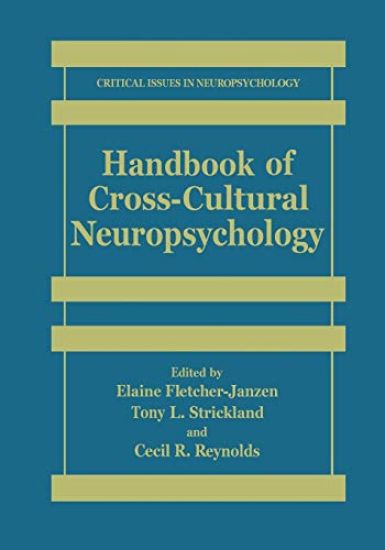
Handbook of Cross-Cultural Neuropsychology

Handbook of Cross-Cultural Neuropsychology

Elaine Fletcher-Janzen; Tony L. Strickland; Cecil R. Reynolds

Springer-Verlag New York Inc.
2012
nidottu
Historically, relatively few investigations in neuropsychology have been sensitive to the analysis of cultural variables. This handbook will assist the neuropsychologist interested in cultural competence and help increase understanding of the link between cultural competence in assessment and intervention and good treatment outcomes. The handbook authors provide an in-depth discussion of the current status of multicultural training in neuropsychology; specific information on diverse groups (age, gender, ethnicity, etc.), assessment instruments, and clinical populations (HIV infected, seizure disorders, brain injuries); and unique analysis of immigration patterns, forensics, and psychopharmacology. This volume is the first to summarize the cultural data available in neuropsychology. A valuable resource for clinical neuropsychologists, school psychologists and rehabilitation professionals.
Handbook of Cross-Cultural Neuropsychology

Handbook of Cross-Cultural Neuropsychology

Elaine Fletcher-Janzen; Tony L. Strickland; Cecil R. Reynolds

Kluwer Academic/Plenum Publishers
2000
sidottu
Historically, relatively few investigations in neuropsychology have been sensitive to the analysis of cultural variables. This handbook will assist the neuropsychologist interested in cultural competence and help increase understanding of the link between cultural competence in assessment and intervention and good treatment outcomes. The handbook authors provide an in-depth discussion of the current status of multicultural training in neuropsychology; specific information on diverse groups (age, gender, ethnicity, etc.), assessment instruments, and clinical populations (HIV infected, seizure disorders, brain injuries); and unique analysis of immigration patterns, forensics, and psychopharmacology. This volume is the first to summarize the cultural data available in neuropsychology. A valuable resource for clinical neuropsychologists, school psychologists and rehabilitation professionals.
Handbook of Clinical Child Neuropsychology

Handbook of Clinical Child Neuropsychology

Cecil R. Reynolds; Elaine Fletcher-Janzen

Kluwer Academic/Plenum Publishers
1989
sidottu
The past decade has brought important advances in our understanding of the brain, particularly its influence on the behavior, emotions, and personality of children and adolescents. In the tradition of its predecessors, the third edition of the Handbook of Clinical Child Neuropsychology enhances this understanding by emphasizing current best practice, up-to-date science, and emerging theoretical trends for a comprehensive review of the field. Along with the Handbook’s impressive coverage of normal development, pathology, and professional issues, brand-new chapters highlight critical topics in assessment, diagnostic, and treatment, including, The role and prevalence of brain dysfunction in ADHD, conduct disorder, the autistic spectrum, and other childhood disorders; The neuropsychology of learning disabilities; Assessment of Spanish-speaking children and youth; Using the PASS (planning, attention, simultaneous, successive) theory in neurological assessment; Forensic child neuropsychology; Interventions for pediatric coma. With singular range, timeliness, and clarity, the newly updated Handbook of Clinical Child Neuropsychology reflects and addresses the ongoing concerns of practitioners as diverse as neuropsychologists, neurologists, clinical psychologists, pediatricians, and physical and speech-language therapists.