Kirjojen hintavertailu – 12 859 819 kirjaa ja 27 kauppaa

Kirjailija

Eleanor Hogan

Kirjat ja teokset yhdessä paikassa: 3 kirjaa, julkaisuja vuosilta 2012–2021, suosituimpiin kuuluu Internet on the Outstation. Vertaile teosten hintoja ja tarkista saatavuus suomalaisista kirjakaupoista.

3 kirjaa

Kirjojen julkaisuvuodet: 2012–2021.

Into the Loneliness

Into the Loneliness

Eleanor Hogan

NewSouth Publishing
2021
nidottu
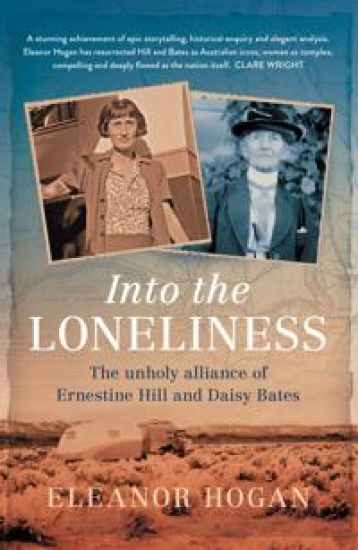
Both famous in their day, Daisy Bates and Ernestine Hill were bestselling writers who told of life in the vast Australian interior. Daisy Bates, dressed in Victorian garb, malnourished and half-blind, camped with Aboriginal people in Western Australia and on the Nullarbor for decades, surrounded by her books, notes and artefacts. A self-taught ethnologist, desperate to be accepted by established male anthropologists, she sought to document the language and customs of the people who visited her camps. In 1935, Ernestine Hill, journalist and author of the bestselling book, The Great Australian Loneliness, coaxed Daisy Bates to Adelaide to collaborate on a newspaper series for The Advertiser. Their collaboration resulted in the 1938 international bestseller, The Passing of the Aborigines. This book informed popular opinion about Aboriginal people for decades, though Bates’s failure to acknowledge Hill as her co-author strained their friendship. Traversing great distances in a campervan, Eleanor Hogan reflects on the lives and work of these indefatigable women. From a contemporary perspective, their work seems quaint and sentimental, their outlook and preoccupations dated, paternalistic and even racist. Yet Hogan is reminded that Bates and Hill took a genuine interest in Aboriginal people and their cultures long before they were considered worthy of the Australian mainstream’s attention. With sensitivity and insight, she wonders whether their work speaks to us today and what their legacies as fearless female outliers might be.
Internet on the Outstation

Internet on the Outstation

Ellie Rennie; Eleanor Hogan; Robin Gregory

Institute of Network Cultures
2016
pokkari
Internet on the Outstation provides a new take on the digital divide. Why do whole communities choose to go without the internet when the infrastructure for access is in place? Through an in-depth exploration of the digital practices occurring in Aboriginal households in remote central Australia, the authors address both the dynamics of internet adoption and the benefits that flow from its use. The book challenges us to think beyond the standard explanations for the digital divide, arguing that digital exclusion is not just another symptom of social exclusion. At its heart, Internet on the Outstation is a compelling examination of equality and difference in the digital age, asking: Can internet access help resolve the disadvantages associated with remote living? Internet on the Outstation is the result of a multi-year research collaboration, which included a trial of internet infrastructure, training and maintenance in three small Aboriginal communities (known as outstations).
Alice Springs

Alice Springs

Eleanor Hogan

NewSouth Publishing
2012
sidottu
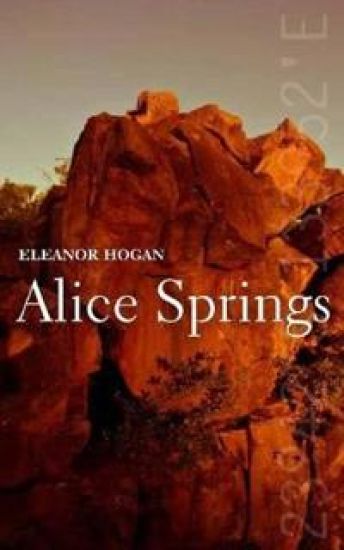
Alice Springs, Alice, The Alice, Mparntwe is the most talked about but least familiar place in Australia. It is a town of extremes and contradictions: searingly hot and bitterly cold, thousands of miles from anywhere, the heart of black Australia and the headquarters of the controversial NT Intervention. It’s seen as a place where blokes are blokes, yet the town has a high lesbian population. It is the gateway to the red centre, but few Australians have been there. Its striking landscape and modern facilities attract those looking for a desert change, yet it is a town where frontier conflicts still hold sway. Eleanor Hogan’s Alice Springs reveals the texture of everyday life in this town through the passage of the local seasons. Her story starts with the heat of uterne mpepe, a time of unrest when the extremes of central Australia are keenly felt. When the milder weather of alhwerrpe urle comes, the backdrop of poverty, substance abuse and violence becomes clearer. Then during alhwerrpe mpepe, the town comes alive with art and culture, but the harsh winter cold reveals deep divisions. Redemption seems possible with the lightness of urlpme–urlpme but then the hot winds of late spring fan the heat of uterne urle. Unflinching but rich with humour and pathos, this powerful book takes us to the mutable but enduring desert town that lies in the interior.