
Kirjojen hintavertailu – 12 859 818 kirjaa ja 27 kauppaa

Kirjailija

Eleanor McLaughlin

Kirjat ja teokset yhdessä paikassa: 2 kirjaa, julkaisuja vuosilta 2020–2022, suosituimpiin kuuluu Unconscious Christianity in Dietrich Bonhoeffer's Late Theology. Vertaile teosten hintoja ja tarkista saatavuus suomalaisista kirjakaupoista.

2 kirjaa

Kirjojen julkaisuvuodet: 2020–2022.

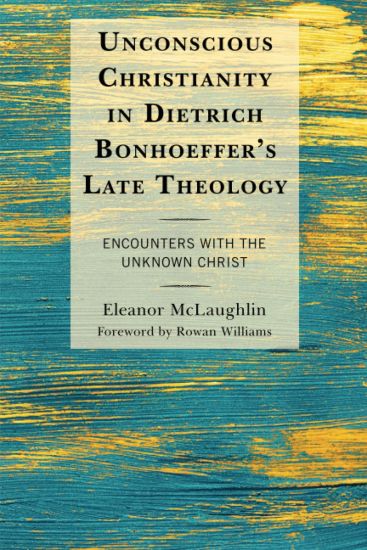
Unconscious Christianity in Dietrich Bonhoeffer's Late Theology

Unconscious Christianity in Dietrich Bonhoeffer's Late Theology

Eleanor McLaughlin; Rowan Williams

BLOOMSBURY PUBLISHING PLC
2022
nidottu
In the last years of his life, Dietrich Bonhoeffer began work on an idea that he called unbewußtes Christentum, "unconscious Christianity." While Bonhoeffer’s other ideas from this period have been extensively studied and are important in the field of theology and beyond, this idea has been almost completely ignored. For the first time in Bonhoeffer scholarship, Eleanor McLaughlin provides a definition of unconscious Christianity, based on a close reading and analysis of the texts in which Bonhoeffer mentioned the term. From a variety of surviving texts, from a scribbled marginal note in his Ethics manuscript to the fiction he wrote in prison, she constructs a detailed definition of unconscious Christianity that sheds light not only on Bonhoeffer’s late work but his theological development as a whole.
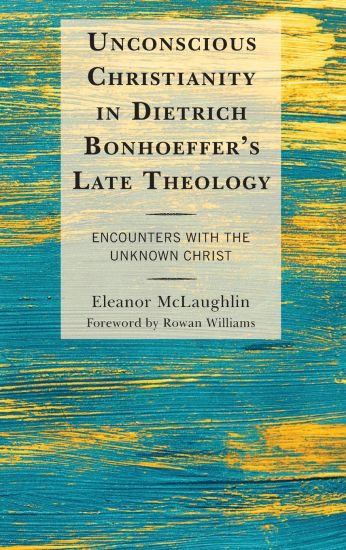
Unconscious Christianity in Dietrich Bonhoeffer's Late Theology

Unconscious Christianity in Dietrich Bonhoeffer's Late Theology

Eleanor McLaughlin; Rowan Williams

Lexington Books/Fortress Academic
2020
sidottu
In the last years of his life, Dietrich Bonhoeffer began work on an idea that he called unbewußtes Christentum, ‘unconscious Christianity’. While Bonhoeffer’s other ideas from this period have been extensively studied and are important in the field of theology and beyond, this idea has been almost completely ignored. For the first time in Bonhoeffer scholarship, Eleanor McLaughlin provides a definition of unconscious Christianity, based on a close reading and analysis of the texts in which Bonhoeffer mentioned the term. From a variety of surviving texts, from a scribbled marginal note in his Ethics manuscript to the fiction he wrote in prison, she constructs a detailed definition of this term which sheds light on not only Bonhoeffer’s late work, but his theological development as a whole.