
Kirjailija
Eleni Philippou
Kirjat ja teokset yhdessä paikassa: 4 kirjaa, julkaisuja vuosilta 2021–2025, suosituimpiin kuuluu Nifitsa. Vertaile teosten hintoja ja tarkista saatavuus suomalaisista kirjakaupoista.
4 kirjaa
Kirjojen julkaisuvuodet: 2021–2025.
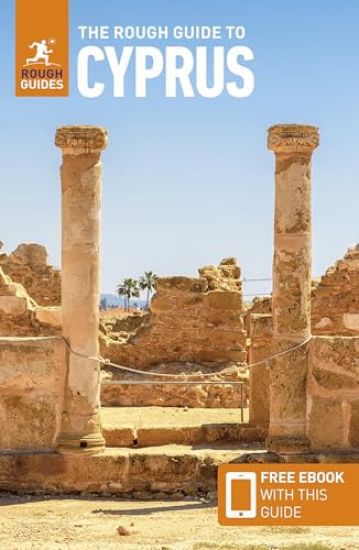
The Rough Guide to Cyprus: Travel Guide with eBook
Rough Guides; Eleni Philippou
APA PUBLICATIONS
2025
pokkari
Halvin toimitettuna 24,70 €
Ideal for independent travellers, this guidebook to Cyprus, written by destination experts, combines must-see sights with hidden gems and offers essential tips for both planning and on-the-ground adventures. It's sustainably printed to ensure environmental responsibility. Inside this Cyprus travel book, you'll find:- Regional deep dive - coverage of key regions, offering a rich selection of places and experiences, and honest reviews of each one- Itinerary samples - designed for various durations and interests- Practical information - tips on how to get there and get around, use public transport, beat the crowds, save time and money, travel responsibly and more- Expert recommendations - insider advice on where to eat, drink, and stay, alongside tips for nightlife and outdoor activities- Seasonal tips - when to go to Cyprus, climate details, and festival highlights to plan your perfect trip- Must-See pick - a curated selection of not-to-miss sights as chosen by our authors - North coast beaches, wine tasting, Bellapais, turtle watching, Girne, Lemesos restaurants, painted churches of the Troodos Mountains, Omodos, St Hilarion, Kykkos Monastery, the Acamas Peninsula, Ancient Salamis- Navigational maps - colour-coded maps highlighting essential spots for dining, accommodation, shopping and entertainment- Cultural insights - engaging stories delve into the local culture, history, arts and more, enriching your understanding of Cyprus- Language essentials - a handy Greek dictionary and glossary to help you communicate and connect with locals- Inspiring travel photography - full-colour pictures capture the essence of Cyprus, bringing each location to life and fuelling your wanderlust- Bonus eBook - Free download with purchase, offering digital access to our comprehensive guide- Coverage includes: Larnaka and around, Lemesos and around, Pafos and around, The Troodos Mountains, Lefkosia (South Nicosia), North Cyprus
In this monograph Theodor Adorno’s philosophy engages with postcolonial texts and authors that emerge out of situations of political extremity – apartheid South Africa, war-torn Sri Lanka, Pinochet’s dictatorship, and the Greek military junta. This book is ground-breaking in two key ways: first, it argues that Adorno can speak to texts with which he is not historically associated; and second, it uses Adorno’s theory to unlock the liberatory potential of authors or novels traditionally understood to be "apolitical". While addressing Adorno’s uneven critical response and dissemination in the Anglophone literary world, the book also showcases Adorno’s unique reading of the literary text both in terms of its innate historical content and formal aesthetic attributes. Such a reading refuses to read postcolonial texts exclusively as political documents, a problematic (but changing) tendency within postcolonial studies. In short, the book operates as a two-way conversation asking: "What can Adorno’s concepts give to certain literary texts?" but also reciprocally, "What can those texts give to our conventional understanding of Adorno and his applicability?" This book is an act of rethinking the literary in Adornian terms, and rethinking Adorno through the literary.
In this monograph Theodor Adorno’s philosophy engages with postcolonial texts and authors that emerge out of situations of political extremity – apartheid South Africa, war-torn Sri Lanka, Pinochet’s dictatorship, and the Greek military junta. This book is ground-breaking in two key ways: first, it argues that Adorno can speak to texts with which he is not historically associated; and second, it uses Adorno’s theory to unlock the liberatory potential of authors or novels traditionally understood to be "apolitical". While addressing Adorno’s uneven critical response and dissemination in the Anglophone literary world, the book also showcases Adorno’s unique reading of the literary text both in terms of its innate historical content and formal aesthetic attributes. Such a reading refuses to read postcolonial texts exclusively as political documents, a problematic (but changing) tendency within postcolonial studies. In short, the book operates as a two-way conversation asking: "What can Adorno’s concepts give to certain literary texts?" but also reciprocally, "What can those texts give to our conventional understanding of Adorno and his applicability?" This book is an act of rethinking the literary in Adornian terms, and rethinking Adorno through the literary.