Kirjojen hintavertailu – 12 859 828 kirjaa ja 27 kauppaa

Kirjailija

Elia Shabani Mligo

Kirjat ja teokset yhdessä paikassa: 30 kirjaa, julkaisuja vuosilta 2011–2020, suosituimpiin kuuluu Writing Effective Course Assignments. Vertaile teosten hintoja ja tarkista saatavuus suomalaisista kirjakaupoista.

30 kirjaa

Kirjojen julkaisuvuodet: 2011–2020.

Rediscovering Jesus in Our Places

Rediscovering Jesus in Our Places

Elia Shabani Mligo; Halvor Moxnes

Resource Publications (CA)
2020
sidottu
The question of contextual theology and its relevance to Africa in this time of globalization, whereby there are rampant uncontrolled changes in cultures, technologies, economic policies, and even people's religious lives, is very urgent. How is contextual theology relevant in the ever-changing contexts of the church in Africa? Indeed, there are a number of challenges which contextual theology faces within the church in Africa, which need to be addressed contextually. Some such challenges include poverty, rampant violence, homosexuality, alcoholism, the resurgence of prosperity gospel materialistic prophets and incurable illnesses like Ebola, HIV and AIDS, and the current coronavirus (COVID-19). However, which context in Africa? Context in Africa, as in other parts of the world, is always in flux; it is complex and fluid. There is no permanent context. The experience of Jesus in such a changing context needs to be rediscovered depending on what transpires in each particular place at a particular time. This book addresses some of the overarching challenges that face contextual theology and how such challenges should be addressed by the church in Africa in contemporary ever-changing context for it to be relevant in Africa. It also highlights the need to move from liberation and inculturation theologies to reconstruction theology in dealing with the challenges of the current church. Hence, the book is important to students and scholars engaging in practical, systematic, biblical, and contextual theologies in all their branches.
Rediscovering Jesus in Our Places

Rediscovering Jesus in Our Places

Elia Shabani Mligo; Halvor Moxnes

Resource Publications (CA)
2020
pokkari
The question of contextual theology and its relevance to Africa in this time of globalization, whereby there are rampant uncontrolled changes in cultures, technologies, economic policies, and even people's religious lives, is very urgent. How is contextual theology relevant in the ever-changing contexts of the church in Africa? Indeed, there are a number of challenges which contextual theology faces within the church in Africa, which need to be addressed contextually. Some such challenges include poverty, rampant violence, homosexuality, alcoholism, the resurgence of prosperity gospel materialistic prophets and incurable illnesses like Ebola, HIV and AIDS, and the current coronavirus (COVID-19). However, which context in Africa? Context in Africa, as in other parts of the world, is always in flux; it is complex and fluid. There is no permanent context. The experience of Jesus in such a changing context needs to be rediscovered depending on what transpires in each particular place at a particular time. This book addresses some of the overarching challenges that face contextual theology and how such challenges should be addressed by the church in Africa in contemporary ever-changing context for it to be relevant in Africa. It also highlights the need to move from liberation and inculturation theologies to reconstruction theology in dealing with the challenges of the current church. Hence, the book is important to students and scholars engaging in practical, systematic, biblical, and contextual theologies in all their branches.
Women Within Religions

Women Within Religions

Loreen Maseno; Elia Shabani Mligo; Esther Mombo

Wipf Stock Publishers
2019
sidottu
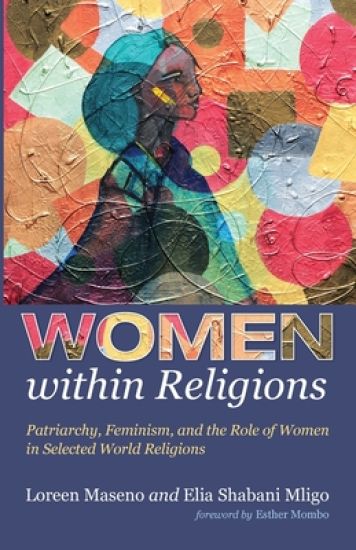
Women are the majority in almost every cultural or social group. However, their roles vary in various cultures, religions, and traditions. In some cultures and religions, they are highly honored, while in others they are neglected, oppressed, and segregated. This book examines women's role in a few selected world religions, namely Christianity, Islam, African Traditional Religion, Hinduism, and Buddhism. It also surveys the concept of patriarchy and the various theoretical perspectives surrounding it. Eventually, this book discusses the concept of ecofeminism and how feminists perceive of the relationship between nature and the oppression of women. The book grapples with the question, ""In what way do world religions perceive of women and their role in their teachings and traditions?"" This book is important for students and teachers of gender studies, African theology, and Christian theology as a whole.
Women within Religions

Women within Religions

Loreen Maseno; Elia Shabani Mligo; Esther Mombo

Wipf Stock Publishers
2019
pokkari
Women are the majority in almost every cultural or social group. However, their roles vary in various cultures, religions, and traditions. In some cultures and religions, they are highly honored, while in others they are neglected, oppressed, and segregated. This book examines women's role in a few selected world religions, namely Christianity, Islam, African Traditional Religion, Hinduism, and Buddhism. It also surveys the concept of patriarchy and the various theoretical perspectives surrounding it. Eventually, this book discusses the concept of ecofeminism and how feminists perceive of the relationship between nature and the oppression of women. The book grapples with the question, ""In what way do world religions perceive of women and their role in their teachings and traditions?"" This book is important for students and teachers of gender studies, African theology, and Christian theology as a whole.
Pastoral Counseling for Orphans and Vulnerable Children

Pastoral Counseling for Orphans and Vulnerable Children

Tuntufye Anangisye Mwenisongole; Elia Shabani Mligo

Resource Publications (CA)
2018
sidottu
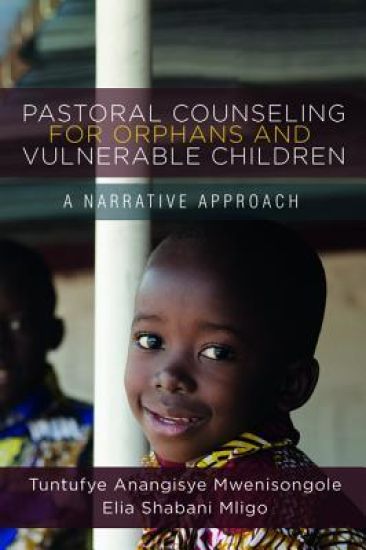
The existence of orphans is as inevitable to most African cities and the world as it is death. These orphans are caused by the death of one or both parents due to various reasons, including the scourge of HIV and AIDS. Being orphans, most of them are vulnerable to difficult lives because they have nobody to fend for them and take care of their lives. They lack adequate food, living expenses, school fees, and care since their current guardians are also in adverse economic situations. In such situations, orphans end up living a life of hopelessness and trauma, which makes them deeply remember their dead parents and the care they received from them before death. Following the vulnerable situation of most orphans, this book, through a study done in the Tanzanian context, challenges churches to extend their counseling and caring ministries to Orphans and Vulnerable Children (OVC). It purports that the use of narrative approach is the most effective way to enter into the world of vulnerable children in order to provide pastoral counseling to them. This approach helps pastoral counselors to use life stories, proverbs, biblical narratives, plays, arts, songs, riddles, poems, symbols, and images as healing and coping mechanisms for OVC. Therefore, this book is helpful not only to churches and their ministry to orphans and vulnerable children, but also to those who care for orphans in their homes. Moreover, it will be helpful to children who live in adverse conditions worldwide to find ways to cope with their situations through the stories of children used inside this book. ""This is an encouraging book that opens research and all of us to the voices and the narratives of some of the subaltern among us: orphans from HIV/AIDS parents. Using narrative methods we hear and sense that these subalterns can speak. It is our responsibility to listen."" --Trygve Eiliv Wyller, Professor of Systematic Theology, University of Oslo Tuntufye Anangisye Mwenisongole is Lecturer at Teofilo Kisanji University in Mbeya, Tanzania. Elia Shabani Mligo is Senior Lecturer at Tumaini University Makumira, Mbeya Teaching Center in Tanzania. Some of his most recent books include: Writing Effective Course Assignments (2017), English as a Language of Teaching and Learning for Community Secondary Schools in Tanzania (2017), Community Secondary Schools in Tanzania (2018), and Cohabitation among Students in Higher-Learning Institutions in Tanzania (2018).
Pastoral Counseling for Orphans and Vulnerable Children

Pastoral Counseling for Orphans and Vulnerable Children

Tuntufye Anangisye Mwenisongole; Elia Shabani Mligo

Resource Publications (CA)
2018
pokkari
The existence of orphans is as inevitable to most African cities and the world as it is death. These orphans are caused by the death of one or both parents due to various reasons, including the scourge of HIV and AIDS. Being orphans, most of them are vulnerable to difficult lives because they have nobody to fend for them and take care of their lives. They lack adequate food, living expenses, school fees, and care since their current guardians are also in adverse economic situations. In such situations, orphans end up living a life of hopelessness and trauma, which makes them deeply remember their dead parents and the care they received from them before death. Following the vulnerable situation of most orphans, this book, through a study done in the Tanzanian context, challenges churches to extend their counseling and caring ministries to Orphans and Vulnerable Children (OVC). It purports that the use of narrative approach is the most effective way to enter into the world of vulnerable children in order to provide pastoral counseling to them. This approach helps pastoral counselors to use life stories, proverbs, biblical narratives, plays, arts, songs, riddles, poems, symbols, and images as healing and coping mechanisms for OVC. Therefore, this book is helpful not only to churches and their ministry to orphans and vulnerable children, but also to those who care for orphans in their homes. Moreover, it will be helpful to children who live in adverse conditions worldwide to find ways to cope with their situations through the stories of children used inside this book. ""This is an encouraging book that opens research and all of us to the voices and the narratives of some of the subaltern among us: orphans from HIV/AIDS parents. Using narrative methods we hear and sense that these subalterns can speak. It is our responsibility to listen."" --Trygve Eiliv Wyller, Professor of Systematic Theology, University of Oslo Tuntufye Anangisye Mwenisongole is Lecturer at Teofilo Kisanji University in Mbeya, Tanzania. Elia Shabani Mligo is Senior Lecturer at Tumaini University Makumira, Mbeya Teaching Center in Tanzania. Some of his most recent books include: Writing Effective Course Assignments (2017), English as a Language of Teaching and Learning for Community Secondary Schools in Tanzania (2017), Community Secondary Schools in Tanzania (2018), and Cohabitation among Students in Higher-Learning Institutions in Tanzania (2018).
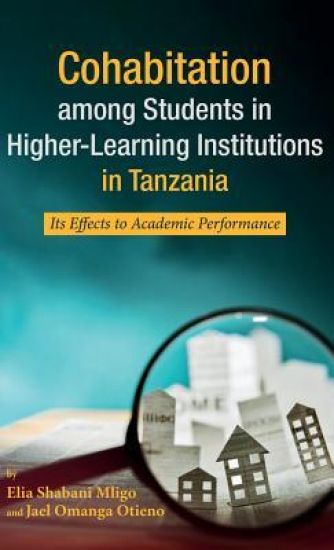
Cohabitation Among Students in Higher-Learning Institutions in Tanzania

Cohabitation Among Students in Higher-Learning Institutions in Tanzania

Elia Shabani Mligo; Jael Omanga Otieno

Resource Publications (CA)
2018
pokkari
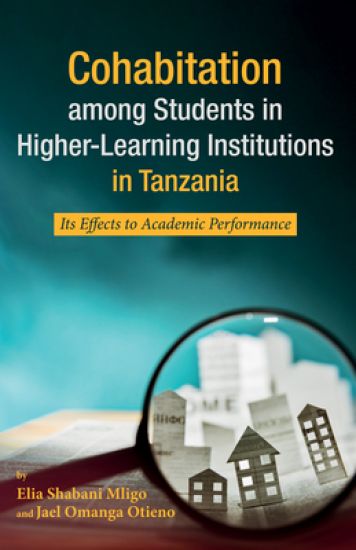
Colleges and universities have been meeting places of students for the sake of studies all over the world. As students transcend from secondary level education to tertiary level, the degree of freedom increases; they become free to live the style of life they choose. This freedom is mainly caused by their advance in age--from childhood to youth ages. Cohabitation is one of the styles of life that students in most higher-learning institutions choose to live. However, cohabitation is not the style of life that emerges in the recent time. In the industrialized world, for example, cohabitation among youth started a long time ago. By the 1970s and 1980s its rate increased greatly due to secularization and increase in freedom. Being aware of this growing trend in cohabitation, this book surveys the extent of cohabitation among students in higher-learning institutions in Tanzania and how it affects the academic performance of the cohabiting partners. It means that the book assesses both positive and negative effects for this style of life among the surveyed students. Therefore, this book is important to both university and college students so that they can be aware of the positive and negative effects of cohabitation, especially in terms of academic performance. ""This book is an exciting and excellent resource worth reading for everyone interested in issues relating to cohabitation and academic performance. It covers interesting information on cohabitation among students in higher-learning institutions in Tanzania, an issue greatly limiting their academic performance and leading them to indulge immoral values after their graduation. The book is a glittering resource recommendable for social workers, policy decision makers, lecturers, and students in higher-learning institutions in Tanzania and elsewhere."" --Josta Lameck Nzilano, Lecturer in the Department of Educational Psychology and Curriculum Studies, Dar es Salaam University College of Education, Tanzania Elia Shabani Mligo (PhD, University of Oslo, Norway) is Senior Lecturer at Tumaini University Makumira, Mbeya Teaching Center in Tanzania. Some of his recent books include: Introduction to Research Methods and Report Writing (2016), Writing Effective Course Assignments (2017), English as a Language of Teaching and Learning for Community Secondary Schools in Tanzania (2017), and Community Secondary Schools in Tanzania (2018). Jael Omanga Otieno (BA Ed., Tumaini University Makumira) teaches at Iganduka Secondary School in Mbozi, Songwe, Tanzania.
Cohabitation Among Students in Higher-Learning Institutions in Tanzania

Cohabitation Among Students in Higher-Learning Institutions in Tanzania

Elia Shabani Mligo; Jael Omanga Otieno

Resource Publications (CA)
2018
sidottu
Colleges and universities have been meeting places of students for the sake of studies all over the world. As students transcend from secondary level education to tertiary level, the degree of freedom increases; they become free to live the style of life they choose. This freedom is mainly caused by their advance in age--from childhood to youth ages. Cohabitation is one of the styles of life that students in most higher-learning institutions choose to live. However, cohabitation is not the style of life that emerges in the recent time. In the industrialized world, for example, cohabitation among youth started a long time ago. By the 1970s and 1980s its rate increased greatly due to secularization and increase in freedom. Being aware of this growing trend in cohabitation, this book surveys the extent of cohabitation among students in higher-learning institutions in Tanzania and how it affects the academic performance of the cohabiting partners. It means that the book assesses both positive and negative effects for this style of life among the surveyed students. Therefore, this book is important to both university and college students so that they can be aware of the positive and negative effects of cohabitation, especially in terms of academic performance. ""This book is an exciting and excellent resource worth reading for everyone interested in issues relating to cohabitation and academic performance. It covers interesting information on cohabitation among students in higher-learning institutions in Tanzania, an issue greatly limiting their academic performance and leading them to indulge immoral values after their graduation. The book is a glittering resource recommendable for social workers, policy decision makers, lecturers, and students in higher-learning institutions in Tanzania and elsewhere."" --Josta Lameck Nzilano, Lecturer in the Department of Educational Psychology and Curriculum Studies, Dar es Salaam University College of Education, Tanzania Elia Shabani Mligo (PhD, University of Oslo, Norway) is Senior Lecturer at Tumaini University Makumira, Mbeya Teaching Center in Tanzania. Some of his recent books include: Introduction to Research Methods and Report Writing (2016), Writing Effective Course Assignments (2017), English as a Language of Teaching and Learning for Community Secondary Schools in Tanzania (2017), and Community Secondary Schools in Tanzania (2018). Jael Omanga Otieno (BA Ed., Tumaini University Makumira) teaches at Iganduka Secondary School in Mbozi, Songwe, Tanzania.
Community Secondary Schools in Tanzania

Community Secondary Schools in Tanzania

Elia Shabani Mligo; Devotha Lawrence Mshana; Tuli Kassimoto

Resource Publications (CA)
2018
sidottu
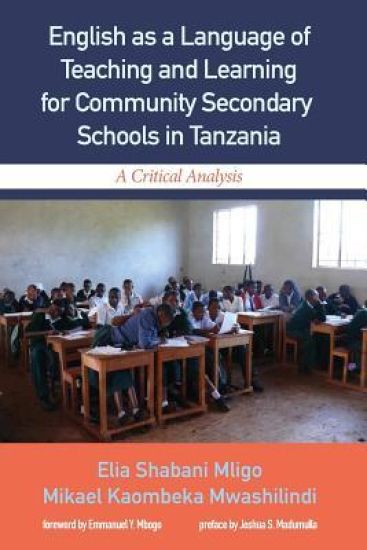
Community Secondary Schools are the majority secondary schools in Tanzania. These are schools built by community initiatives with the aim of helping more children acquire a secondary education. Despite this good intention, these schools face a number of challenges. One such challenge has to do with academic performance. This book investigates this challenge. It examines the factors that contribute to students' poor performance in the community secondary schools in Tanzania to discern the main factors contributing to their poor performance. Many factors contribute to students' poor performance, such as lack of support from parents on educational issues, teachers' and students' attitudes and perceptions on education, inadequate learning and teaching materials and resources, learning and teaching environments, as well as lack of adequate motivation for teachers and students. This book explores these challenges and proposes future prospects to make such schools have efficient performance in Tanzania and other places of the world they are found. Elia Shabani Mligo (PhD, University of Oslo, Norway) is Senior Lecturer at Tumaini University Makumira, Mbeya Teaching Center in Tanzania. Some of his books include: Introduction to Research Methods and Report Writing (2016), Writing Effective Course Assignments (2017), and English as a Language of Teaching and Learning for Community Secondary Schools in Tanzania (2017). Devotha Lawrence Mshana (BA, University of Dodoma; PGDE, Tumaini University Makumira) is a self-employed teacher at Mbeya, Tanzania.
Symbolic Interactionism in the Gospel according to John

Symbolic Interactionism in the Gospel according to John

Elia Shabani Mligo; Lechion Peter Kimilike

Wipf Stock Publishers
2014
pokkari
Symbolic interactionism is a social-scientific perspective that seeks to describe how human beings create meaning with one another in their daily lives. Since the world is populated by symbols that characterize all interactions among living beings, this book explores the importance of symbols and symbolic interaction while moving beyond the social sciences to theological studies. By examining the way symbolic interaction is portrayed among characters in the Gospel according to John in the ""water narratives,"" this book argues that the Bible is a symbol that is itself full of symbols whose meanings are worthy of our study. Hence, the interaction of characters in the Gospel of John and the whole Bible, along with the symbols they use in their interactions, demonstrates that symbolism is directly linked to human life because symbols are major means of communication, and without symbols, human beings are in chaos. ""Mligo's work is a great contribution in the scholarship of John's gospel. Employing social science approaches, particularly the perspective of symbolic interactionism, Mligo demonstrates that in John's gospel, water not only signifies purification and initiation, but also life and healing, discipleship of service, abolition of boundaries that separate people based on their race, and a vehicle through which people become members in God's rule. This book is insightful, intriguing, and educative. I endorse it because it is good for students, ministers, and scholars as well."" --Stephen S. Kimondo, Lecturer in New Testament, University of Iringa, Tanzania ""Produced in a specific setting with a specific intent, the possibilities inherent within the Gospel of John] go beyond that original intent as the reader enters into the interpretive conversation. The reader may see possibilities in the text that are valid interpretations in his or her setting but which differ significantly from the writer's intent by using the symbolic interactionism methodology. This book provides a road map how . . . in biblical interpretation."" --from the foreword by Lechion Peter Kimilike ELIA SHABANI MLIGO is Senior Lecturer in Contextual Theology at the University of Iringa's Amani Centre in Njombe, Tanzania. He is the author of many articles and books, including Jesus and the Stigmatized (2011), Writing Academic Papers (2012), Doing Effective Fieldwork (2013), and Elements of African Traditional Religion (2013).