Kirjojen hintavertailu – 12 859 824 kirjaa ja 27 kauppaa

Kirjailija

Elina Gertsman

Kirjat ja teokset yhdessä paikassa: 5 kirjaa, julkaisuja vuosilta 2011–2021, suosituimpiin kuuluu Worlds Within. Vertaile teosten hintoja ja tarkista saatavuus suomalaisista kirjakaupoista.

5 kirjaa

Kirjojen julkaisuvuodet: 2011–2021.

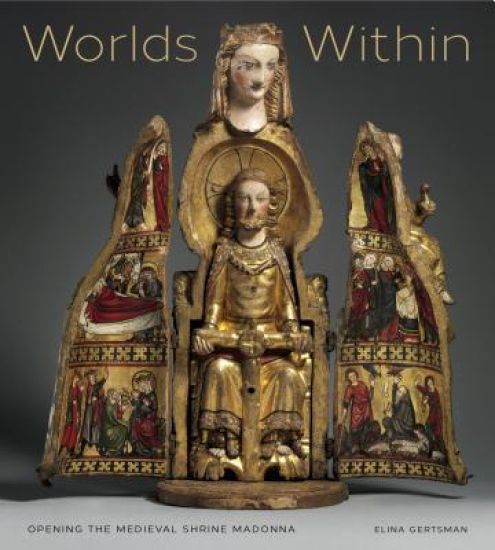
Worlds Within

Worlds Within

Elina Gertsman

Pennsylvania State University Press
2015
sidottu
In Worlds Within, Elina Gertsman investigates the Shrine Madonnas, or Vierges ouvrantes—sculptures that conceal within their bodies complex carved and/or painted iconographies. The Shrine Madonna emerged in Europe at the end of the 1200s and reached a peak of popularity during the following three centuries. Gertsman argues that the appearance of these objects—predicated as they are on the dynamic of concealment, revelation, and fragmentation—points to the changing roles of vision and sensation in the complex, performative ways in which audiences were expected to engage with devotional images, both in public and in private. Worlds Within considers these fascinating sculptures in terms of the rhetoric of secrecy, the discourse of containment, and the tropes of unveiling. Gertsman demonstrates how the statues were associated with the processes of seeing and memory-making and how they functioned as instruments of revelatory knowledge and spiritual reformation in the context of late medieval European culture.
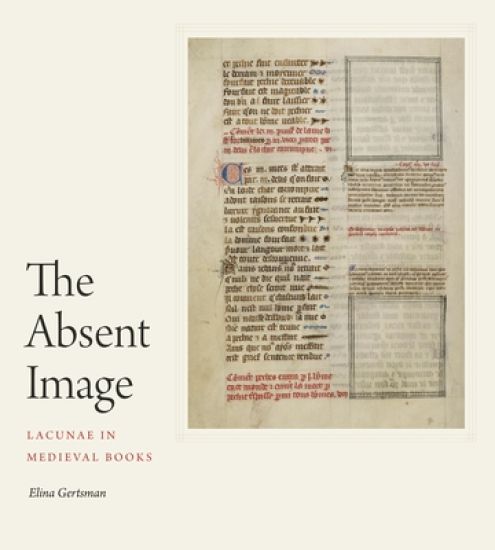
The Absent Image

The Absent Image

Elina Gertsman

Pennsylvania State University Press
2021
sidottu

Halvin toimitettuna 62,40 €

Winner of the 2022 Charles Rufus Morey Award from the College Art Association Winner of the 2023 Otto Gründler Book Prize from Western Michigan UniversityGuided by Aristotelian theories, medieval philosophers believed that nature abhors a vacuum. Medieval art, according to modern scholars, abhors the same. The notion of horror vacui—the fear of empty space—is thus often construed as a definitive feature of Gothic material culture. In The Absent Image, Elina Gertsman argues that Gothic art, in its attempts to grapple with the unrepresentability of the invisible, actively engages emptiness, voids, gaps, holes, and erasures. Exploring complex conversations among medieval philosophy, physics, mathematics, piety, and image-making, Gertsman considers the concept of nothingness in concert with the imaginary, revealing profoundly inventive approaches to emptiness in late medieval visual culture, from ingenious images of the world’s creation ex nihilo to figurations of absence as a replacement for the invisible forces of conception and death. Innovative and challenging, this book will find its primary audience with students and scholars of art, religion, physics, philosophy, and mathematics. It will be particularly welcomed by those interested in phenomenological and cross-disciplinary approaches to the visual culture of the later Middle Ages.
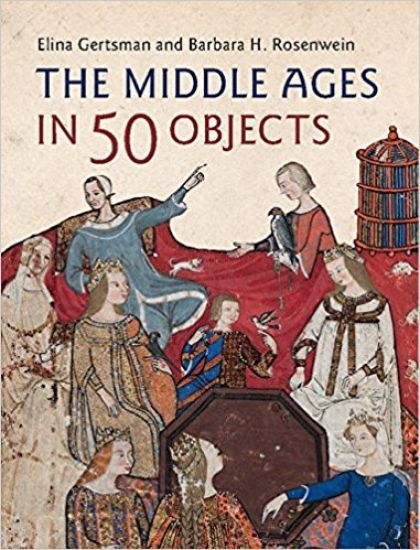
The Middle Ages in 50 Objects

The Middle Ages in 50 Objects

Elina Gertsman; Barbara H. Rosenwein

Cambridge University Press
2018
sidottu
The extraordinary array of images included in this volume reveals the full and rich history of the Middle Ages. Exploring material objects from the European, Byzantine and Islamic worlds, the book casts a new light on the cultures that formed them, each culture illuminated by its treasures. The objects are divided among four topics: The Holy and the Faithful; The Sinful and the Spectral; Daily Life and Its Fictions, and Death and Its Aftermath. Each section is organized chronologically, and every object is accompanied by a penetrating essay that focuses on its visual and cultural significance within the wider context in which the object was made and used. Spot maps add yet another way to visualize and consider the significance of the objects and the history that they reveal. Lavishly illustrated, this is an appealing and original guide to the cultural history of the Middle Ages.
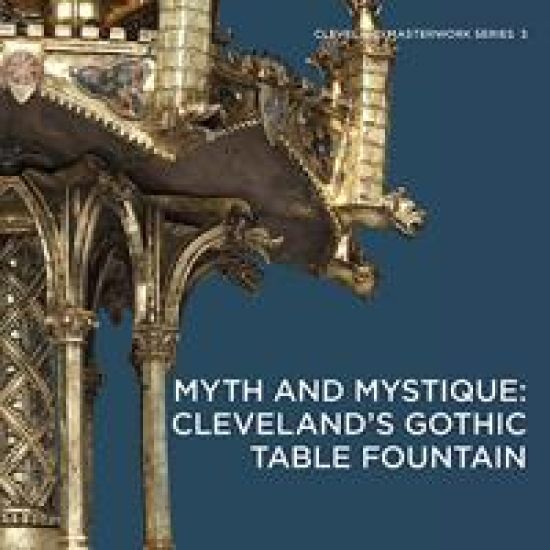
Myth and Mystique: Cleveland's Gothic Table Fountain

Myth and Mystique: Cleveland's Gothic Table Fountain

Stephen N Fliegel; Elina Gertsman

D Giles Ltd
2016
sidottu
The Cleveland table fountain, dated c. 1320?40, is the only version of its kind to have survived in its complete form from the Middle Ages. A superb example of French Gothic goldsmithing, it is an exquisite structure and a unique example of courtly taste and princely fashion. In its full working glory, it was designed not for any religious purpose, but purely as an indulgence; the delicate bells would have created a gentle tinkling sound as the perfumed water trickled down into the basin beneath. Acquired by the Cleveland Museum of Art in 1924, the uncertain history of the fountain has added to its charm, and many questions remain worthy of re-examination. Stephen N. Fliegel assesses the fountain in the context of similar luxury objects, discussing its history, use, materials and style. Elina Gertsman elucidates the significance of fountains in the medieval imagination. Once one of many, the Cleveland table fountain is the last of its kind; a fantastic piece of craftsmanship designed to appeal to all the senses. AUTHOR: Stephen N. Fliegel is curator of medieval art at the Cleveland Museum of Art. Elina Gertsman is associate professor, Department of Art History and Art, Case Western Reserve University. SELLING POINTS: . Focuses on one of the most remarkable examples of gothic art to have survived, a unique functioning table decoration. . Will appeal to academics, students, and museum professionals interested in medieval decorative arts, especially goldsmith works and enamels, and automata
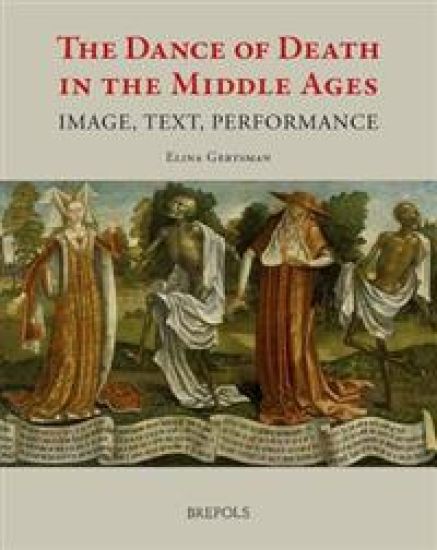
The Dance of Death in the Middle Ages

The Dance of Death in the Middle Ages

Elina Gertsman

Brepols N.V.
2011
sidottu
Elina Gertsman's multifaceted study introduces readers to the imagery and texts of the Dance of Death, an extraordinary subject that first emerged in western European art and literature in the late medieval era. Conceived from the start as an inherently public image, simultaneously intensely personal and widely accessible, the medieval Dance of Death proclaimed the inevitability of death and declared the futility of human ambition. Gertsman inquires into the theological, socio-historic, literary, and artistic contexts of the Dance of Death, exploring it as a site of interaction between text, image, and beholder. Pulling together a wide variety of sources and drawing attention to those images that have slipped through the cracks of the art historical canon, Gertsman examines the visual, textual, aural, pastoral, and performative discourses that informed the creation and reception of the Dance of Death, and proposes different modes of viewing for several paintings, each of which invited the beholder to participate in an active, kinesthetic experience.