Kirjailija
Elinor Glyn
Kirjat ja teokset yhdessä paikassa: 225 kirjaa, julkaisuja vuosilta 1996–2026, suosituimpiin kuuluu The Vicissitudes of Evangeline. By: Elinor Glyn (Classics). Vertaile teosten hintoja ja tarkista saatavuus suomalaisista kirjakaupoista.
225 kirjaa
Kirjojen julkaisuvuodet: 1996–2026.
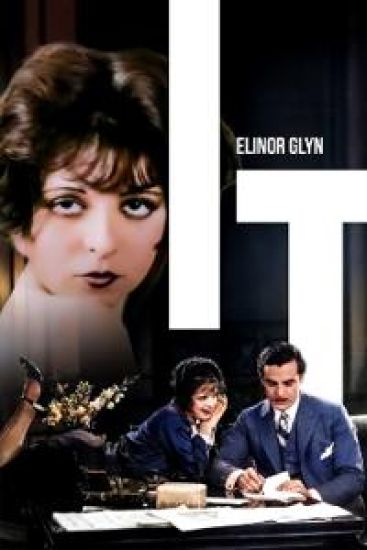
IT by Elinor Glyn: The Original Romance That Defined an EraA timeless tale of passion, secrets, and desire. Dive into IT, the classic novel by Elinor Glyn that captivated readers in the Roaring Twenties and inspired a generation. This unforgettable romance introduces John Gaunt, a powerful self-made millionaire, and Ava Cleveland, a spirited socialite struggling to survive in a world of wealth and deception. When Ava takes a job at John's company under a false identity, their paths collide in unexpected ways. Sparks fly as they navigate a whirlwind of hidden motives, personal pride, and an undeniable attraction. As they challenge each other at every turn, Ava and John must decide if love is worth the risk. Set against the dazzling backdrop of 1920s high society, IT explores themes of ambition, loyalty, and the power dynamics between men and women. Glyn's sharp wit and keen insights into human nature make this a must-read classic for fans of timeless romance. Perfect for readers who enjoy vintage love stories with a touch of glamour, IT is a captivating journey into a bygone era where passion and ambition clash, and love is the ultimate prize.





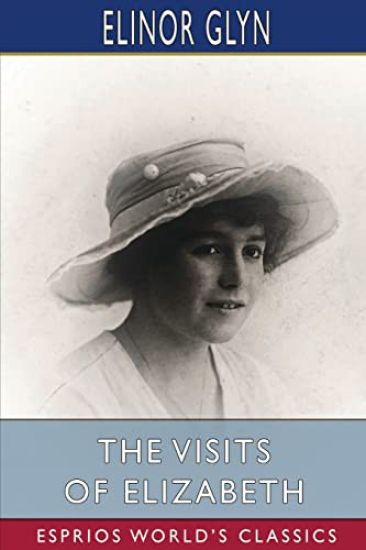
Elinor Glyn (n e Sutherland; 1864-1943) was a British novelist and scriptwriter who specialised in romantic fiction, which was considered scandalous for its time, although her works are relatively tame by modern standards. She popularized the concept of the It-girl, and had tremendous influence on early 20th-century popular culture and, possibly, on the careers of notable Hollywood stars such as Rudolph Valentino, Gloria Swanson and, especially, Clara Bow. Glyn pioneered risqu , and sometimes erotic, romantic fiction aimed at a female readership, a radical idea for its time. She coined the use of It as a euphemism for sexuality, or sex appeal. She was a scriptwriter for the silent movie industry and had a brief career as one of the earliest female directors.
Elinor Glyn (n e Sutherland; 1864-1943) was a British novelist and scriptwriter who specialised in romantic fiction, which was considered scandalous for its time, although her works are relatively tame by modern standards. She popularized the concept of the It-girl, and had tremendous influence on early 20th-century popular culture and, possibly, on the careers of notable Hollywood stars such as Rudolph Valentino, Gloria Swanson and, especially, Clara Bow. Glyn pioneered risqu , and sometimes erotic, romantic fiction aimed at a female readership, a radical idea for its time. She coined the use of It as a euphemism for sexuality, or sex appeal. She was a scriptwriter for the silent movie industry and had a brief career as one of the earliest female directors.
Elinor Glyn (1864-1943), born Elinor Sutherland, was an English novelist and scriptwriter who pioneered massmarket women's erotic fiction. She coined the use of It as a euphemism for sexuality, or sex appeal. Elinor was schooled by her grandmother (a minor French aristocrat) which gave her an entr e into aristocratic circles on her return to Europe and led her to be considered an authority on style and breeding when she worked in Hollywood where she promoted the concept of the vamp. She was the celebrated author of early 20th century bestsellers as It, Three Weeks, Beyond the Rocks, and other novels which were then considered quite racy, as tame as they might seem now. She was a scriptwriter for the silent movie industry and had a brief career as one of the earliest female directors. Her other works include: The Visits of Elizabeth (1900), The Reflections of Ambrosine (1902), The Damsel and the Sage (1903), Elizabeth Visits America (1909), Halcyone (1912), The Point of View (1913), The Man and the Moment (1914), and Man and Maid (1922).
Elinor Glyn (1864-1943), born Elinor Sutherland, was an English novelist and scriptwriter who pioneered massmarket women's erotic fiction. She coined the use of It as a euphemism for sexuality, or sex appeal. Elinor was schooled by her grandmother (a minor French aristocrat) which gave her an entr e into aristocratic circles on her return to Europe and led her to be considered an authority on style and breeding when she worked in Hollywood where she promoted the concept of the vamp. She was the celebrated author of early 20th century bestsellers as It, Three Weeks, Beyond the Rocks, and other novels which were then considered quite racy, as tame as they might seem now. She was a scriptwriter for the silent movie industry and had a brief career as one of the earliest female directors. Her other works include: The Visits of Elizabeth (1900), The Reflections of Ambrosine (1902), The Damsel and the Sage (1903), Elizabeth Visits America (1909), Halcyone (1912), The Point of View (1913), The Man and the Moment (1914), and Man and Maid (1922).
Elinor Glyn (1864-1943), born Elinor Sutherland, was an English novelist and scriptwriter who pioneered massmarket women's erotic fiction. She coined the use of It as a euphemism for sexuality, or sex appeal. Elinor was schooled by her grandmother (a minor French aristocrat) which gave her an entr e into aristocratic circles on her return to Europe and led her to be considered an authority on style and breeding when she worked in Hollywood where she promoted the concept of the vamp. She was the celebrated author of early 20th century bestsellers as It, Three Weeks, Beyond the Rocks, and other novels which were then considered quite racy, as tame as they might seem now. She was a scriptwriter for the silent movie industry and had a brief career as one of the earliest female directors. Her other works include: The Visits of Elizabeth (1900), The Reflections of Ambrosine (1902), The Damsel and the Sage (1903), Elizabeth Visits America (1909), Halcyone (1912), The Point of View (1913), The Man and the Moment (1914), and Man and Maid (1922).
Elinor Glyn (1864-1943), born Elinor Sutherland, was an English novelist and scriptwriter who pioneered massmarket women's erotic fiction. She coined the use of It as a euphemism for sexuality, or sex appeal. Elinor was schooled by her grandmother (a minor French aristocrat) which gave her an entr e into aristocratic circles on her return to Europe and led her to be considered an authority on style and breeding when she worked in Hollywood where she promoted the concept of the vamp. She was the celebrated author of early 20th century bestsellers as It, Three Weeks, Beyond the Rocks, and other novels which were then considered quite racy, as tame as they might seem now. She was a scriptwriter for the silent movie industry and had a brief career as one of the earliest female directors. Her other works include: The Visits of Elizabeth (1900), The Reflections of Ambrosine (1902), The Damsel and the Sage (1903), Elizabeth Visits America (1909), Halcyone (1912), The Point of View (1913), The Man and the Moment (1914), and Man and Maid (1922).
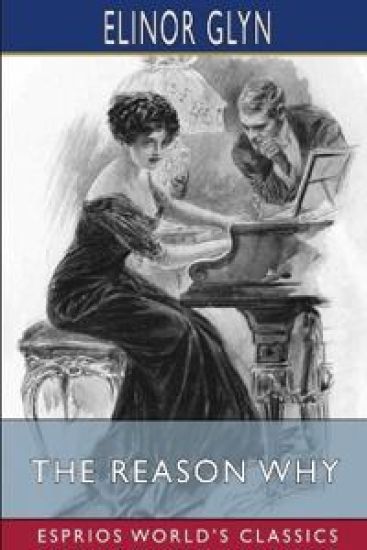
Elinor Glyn (1864-1943), born Elinor Sutherland, was an English novelist and scriptwriter who pioneered massmarket women's erotic fiction. She coined the use of It as a euphemism for sexuality, or sex appeal. Elinor was schooled by her grandmother (a minor French aristocrat) which gave her an entr e into aristocratic circles on her return to Europe and led her to be considered an authority on style and breeding when she worked in Hollywood where she promoted the concept of the vamp. She was the celebrated author of early 20th century bestsellers as It, Three Weeks, Beyond the Rocks, and other novels which were then considered quite racy, as tame as they might seem now. She was a scriptwriter for the silent movie industry and had a brief career as one of the earliest female directors. Her other works include: The Visits of Elizabeth (1900), The Reflections of Ambrosine (1902), The Damsel and the Sage (1903), Elizabeth Visits America (1909), Halcyone (1912), The Point of View (1913), The Man and the Moment (1914), and Man and Maid (1922).

Elinor Glyn (1864-1943), born Elinor Sutherland, was an English novelist and scriptwriter who pioneered massmarket women's erotic fiction. She coined the use of It as a euphemism for sexuality, or sex appeal. Elinor was schooled by her grandmother (a minor French aristocrat) which gave her an entr e into aristocratic circles on her return to Europe and led her to be considered an authority on style and breeding when she worked in Hollywood where she promoted the concept of the vamp. She was the celebrated author of early 20th century bestsellers as It, Three Weeks, Beyond the Rocks, and other novels which were then considered quite racy, as tame as they might seem now. She was a scriptwriter for the silent movie industry and had a brief career as one of the earliest female directors. Her other works include: The Visits of Elizabeth (1900), The Reflections of Ambrosine (1902), The Damsel and the Sage (1903), Elizabeth Visits America (1909), Halcyone (1912), The Point of View (1913), The Man and the Moment (1914), and Man and Maid (1922).