Kirjojen hintavertailu – 12 859 818 kirjaa ja 27 kauppaa
Kirjailija
Elisabeth Kendall
Kirjat ja teokset yhdessä paikassa: 12 kirjaa, julkaisuja vuosilta 2006–2026, suosituimpiin kuuluu Kunskap och information : den mänskliga intelligensen potential och fara. Vertaile teosten hintoja ja tarkista saatavuus suomalaisista kirjakaupoista.
Mark Pagel; Mark Plotkin; John Hemming; Jessica Frazier; Richard Miles; Erica Benner; Peter Burke; Nathan Shachar; Suzana Herculano-Houzel; Mariano Sigman; Martin Ingvar; Michael Goodman; Gill Bennett; Simon Mayall; Maria Borelius; Andrew Keen; Nicholas Carr; Peter Frankopan; Christopher Coker; Janne Haaland Matláry; Elisabeth Kendall; Clarie Lehmann; David Goodhart; Brendan O´Neill; Fraser Nelson; Iain Martin; Adrian Wooldridge; S.J. M. Antoni J. Ucerler
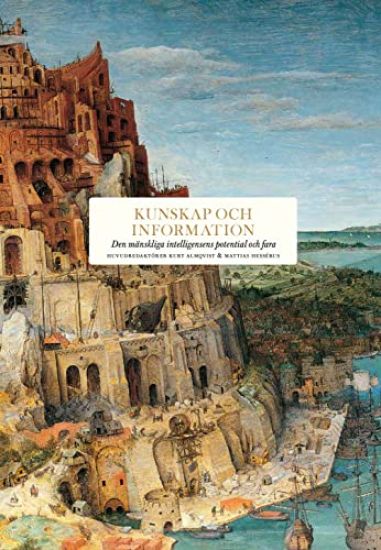
Vi har kommit långt från de religioner, myter och grundarberättelser som lade grunden till människans tidiga förståelse av världen och allting i den, och våra kunskaper har på senare tid ökat exponentiellt. I den här boken diskuterar ledande forskare inom konst och vetenskap hur kunskap och information har bevarats och förmedlats i historien, vilket leder oss fram till dagens digitala tidsålder och de många utmaningar som den ställer oss inför, inte minst beträffande våra persondata. Kommer vårt informationssamhälle, under växande spänning mellan en kunskapselit och dem som känner sig utestängda från offentlig diskussion och beslutsfattande, liksom under ökad friktion om tolkningsfrihet och yttrandefrihet i den akademiska världen, att bli en upplysningstid eller går vi in i en ny mörk tid för kunskapen? Texterna i den här illustrerade antologin härrör från det internationellt välrenommerade Engelsbergsseminariet 2018. Huvudredaktörer är Kurt Almqvist och Mattias Hessérus.
Raina Abouzeid; Jon B. Alterman; Ali M. Ansari; James Barr; Ali Fathollah-Nejad; Peter Frankopan; Chaim Gans; Amber Gartrell; Kim Ghattas; Andrew S. Gilmour; Martin Goodman; Sir John Jenkins; Halil M. Karaveli; Elisabeth Kendall; Hugh Kennedy; Stephen Kotkin; Nelly Lahoud; Göran Larsson; Gabriel Martinez-Gros; General Sir Simon Mayall; Yossef Rapoport; Mark Ronan; Stefanie Rudolf; Peter Sarris; Nathan Shachar; Brendan Simms; Selena Wisnom
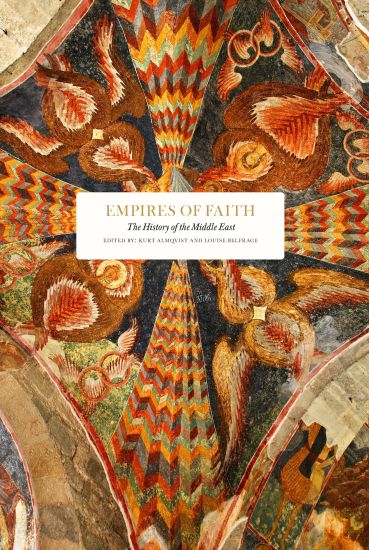
Mellanöstern har alltid varit en central plats för handel och erövringar. Läget har medfört enorma rikedomar, kulturellt utbyte och intellektuell vitalitet – men också konflikter, instabilitet och ihållande geopolitiska spänningar. Att förstå regionens förflutna är avgörande för att förstå dess nutid. Antologin Empires of Faith utforskar Mellanösterns långa historia – från Mesopotamien, de persiska kungarikena och Alexander den store till kristendomens och islams uppkomst, det bysantinska och ottomanska riket, och 1900-talets dramatiska omvandling av regionen. Hur har religion, civilisation och imperialistiska ambitioner format regionen? Vilka arv lämnade de stora imperierna efter sig och hur påverkade de lagstiftning, kultur, styre och undersåtarnas vardagsliv? Och i vilken utsträckning är historiens efterverkningar fortfarande synliga i dagens politiska och religiösa landskap? Boken utkommer även på svenska våren 2027.
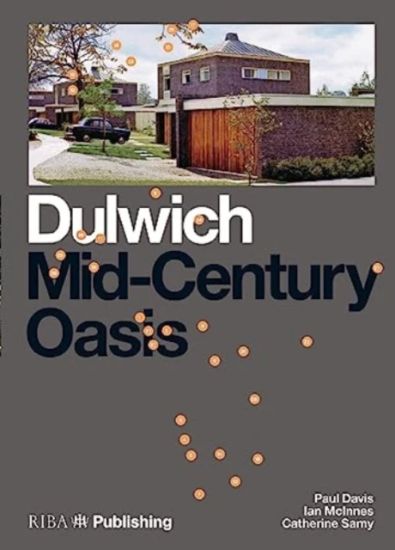
Dulwich’s mid-century modern architecture is increasingly recognised for its qualities of light, landscape and lifestyle. In the 1950s, 60s and 70s, around 2,000 new homes were created to the most modern standards without destroying the qualities which had made Dulwich so attractive to previous generations. With both historic and new photography, this book showcases the award-winning work of the Dulwich Estate’s architects, Austin Vernon & Partners, working with house builder Wates. Today, there is much to be learned from the architects and landscape planners who saw their role as fundamental to building Britain’s modern society.
Alexey Arbatov; David J. Betz; Philip Bobbitt; Christopher Coker; Rolf Ekéus; Richard J. Evans; Gregory Feifer; Lawrence Freedman; Janne Haaland Matláry; Dick Harrison; Tom Holland; Rob Johnson; Frederick Kagan; Kimberly Kagan; Elisabeth Kendall; Fredrik Logevall; Rana Mitter; Peter Pomerantsev; Andrew Preston; Malise Ruthven; Charly Salonius-Pasternak; Hew Strachan; Nathan Shachar; Lilia Shevtsova; Jessica Stern; Pascal Vennesson
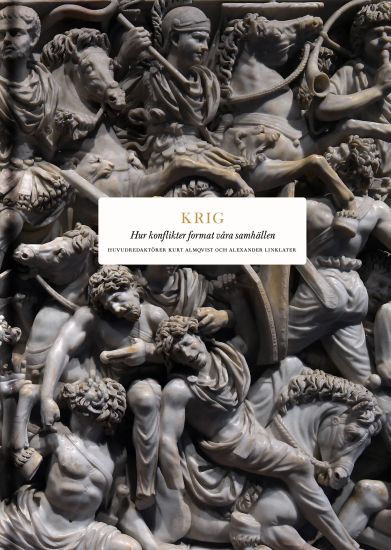
Det påstås att ungefär 14 500 krig har utkämpats sedan år 3 500 f. Kr. Mänskligheten har bara erfarit 300 år av fred på jorden. Under 1900-talet dödades fler människor i krig än något tidigare sekel. Relativt sett dödar vi dock varandra mer sällan. Håller vi gradvis på att bli mer fredliga? Oavsett hur många som dödas, och med vilken metod, kan vi vara säkra på att krig kommer att fortsätta utkämpas. Ligger orsakerna till krig i samhället eller i biologin, i tävlan om ekonomiska resurser eller sexuella, i historiska omständigheter eller i en universell våldsinstinkt? Allt sedan antiken fram till dagens terrorism har krig varit förstörare och skapare av stater och civilisationer. Essäerna i denna antologi har sitt ursprung i det internationellt välrenommerade Engelsbergsseminariet 2015 och är skrivna av historiker, journalister, tänkare, forskare och författare från hela världen. Huvudredaktörer är Kurt Almqvist och Alexander Linklater.
Erica Benner; John Bew; Philip Bobbitt; Vernon Bogdanor; Michael Burleigh; Cory J. Clark; Christopher Coker; Jonathan Fenby; Niall Ferguson; Janne Haaland Matlary; Josef Joffe; Rob Johnson; Elisabeth Kendall; Iain Martin; Rana Mitter; Andrew Monaghan; Fraser Nelson; Gudrun Persson; Peter Ricketts; Brendan Simms
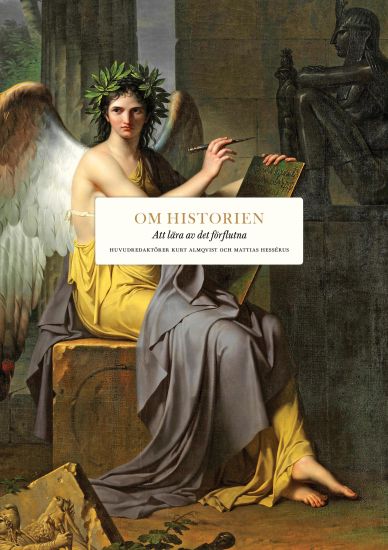
Historien, mänsklighetens samlade erfarenheter, lär oss om nuet och framtiden. Hur är det möjligt att titta på händelser i det förflutna och med hjälp av dem lösa samtidens politiska eller ekonomiska förhållanden och konflikter? Essäerna i denna antologi härrör från Engelsbergsseminariet 2019 där dessa frågor diskuterades. Ur bland annat idéhistoriskt och evolutionspsykologiskt perspektiv tillämpar skribenterna historien på nutida företeelser som internationella relationer, geopolitik och nationalekonomi, individens roll och den mänskliga naturen. Kanske är det bara genom att tillämpa historien som vi hittar vägen framåt?
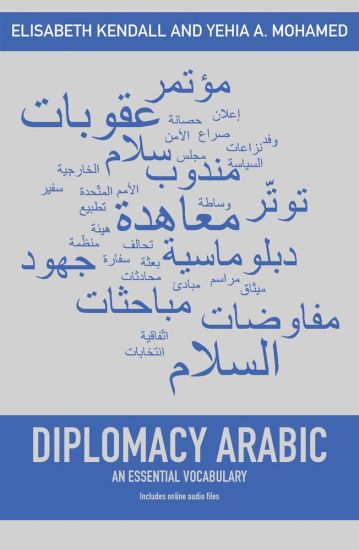
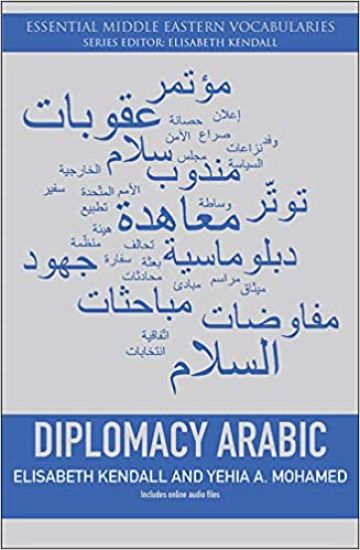
What is the word for peacebuilding in Arabic? How is bilateralism translated? Diplomacy Arabic is a convenient guide for Arabic language learners, featuring common terms and expressions essential for success in diplomatic communication. Diplomacy Arabic can be used as either a comprehensive reference or a study aid. The book features more than 1,300 expressions, terms, and idioms divided into ten areas of diplomatic discourse: general terms, concepts and practices, diplomatic service and protocol, organizations, elections and government, negotiations, treaties and agreements, conflict resolution and defense, civil society and human rights, and globalization and economic development. Each chapter follows a logical learning path-for example, the section on negotiations begins with vocabulary that references types of negotiations and then addresses the players involved and the process of negotiating. An alphabetized, English-language index helps users locate relevant words quickly. Elisabeth Kendall and Yehia A. Mohamed have created an essential vocabulary book, with words and phrases not commonly found in standard Arabic dictionaries. Reflective of the Arabic used in today's world, Diplomacy Arabic is a must-have for skilled and relevant work in international relations in the Middle East.
What is the word for 'peacebuilding' in Arabic? How would you translate 'multilateral negotiations'? This short, accessible vocabulary gives you ready-made lists of 1,300+ Arabic expressions, terms and idioms in 10 key areas of diplomatic discourse: General; Concepts & Practices; Diplomatic Service & Protocol; Organisations; Elections & Government; Negotiations; Treaties & Agreements; Conflict Resolution & Defence; Civil Society & Human Rights; Globalisation & Economic Development.
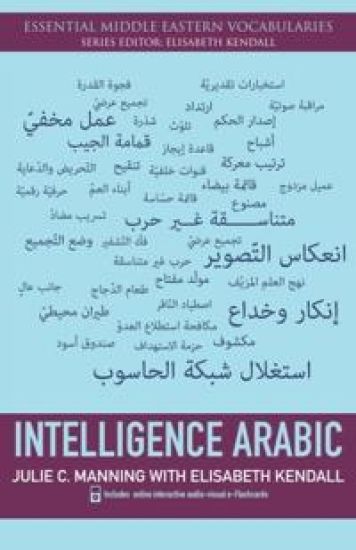
This book offers user friendly lists of Arabic English intelligence terms with brief definitions, organised in thematic sections. In an era of globalised intelligence collection, analysis, sharing, training, and liaison, precise translations of terms specific to the intelligence industry are critical. Such translations are often difficult, if not impossible, to find absent a human translator with significant knowledge of the intelligence industry in both languages. Intelligence Arabic seeks to fill this translation gap by offering an extensive list of terminology specific to the intelligence industry in English and Arabic, searchable in both languages. It presents a comprehensive list of over 1000 intelligence terms searchable in Arabic and English, with brief definitions. It includes common acronyms often found in intelligence reports, manuals and training course materials. Terms are ordered alphabetically in English within each section; an Arabic index eases the search for terms in this language. The 7 sections cover general terms; analysis; operations; human intelligence: signals intelligence counterintelligence; and acronyms. The online audio materials and elearning flashcards aid learning and help self assessment.
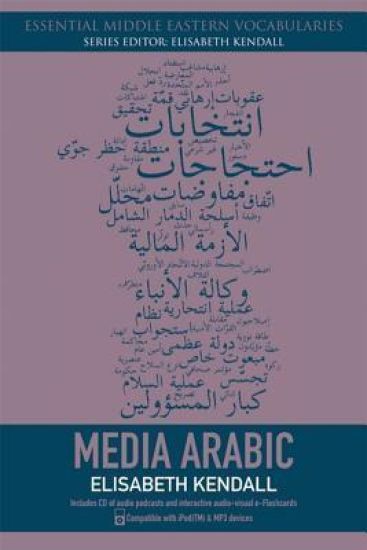
Gives you up-to-date expressions, jargon and new coinages for modern concepts in media Arabic. What is the Arabic term for the UN? What phrase would be used to describe 'rogue state' in the Arab media? Or 'the Arab Spring'? This short, accessible vocabulary gives you ready-made lists of key terms in media Arabic for translating both from and into Arabic. It is divided into 8 key areas: * General (reports, statements, sources, common media idioms) * Politics & Government * Elections * Military * Law and Order * Economics * Trade & Industry * Aid & Development This second edition has been revised and updated throughout and now includes an English-Arabic index as well as audio and elearning materials. Key Features: * Terms grouped in thematic sections * Easy-to-learn lists to test translation * CD of audio files to help you check your pronunciation * Online interactive audio-visual e-Flashcards * Index Keywords: Arabic; media Arabic; learn Arabic; teach Arabic; fast Arabic; quick Arabic; easy Arabic; newspaper Arabic; "how to say" Arabic.
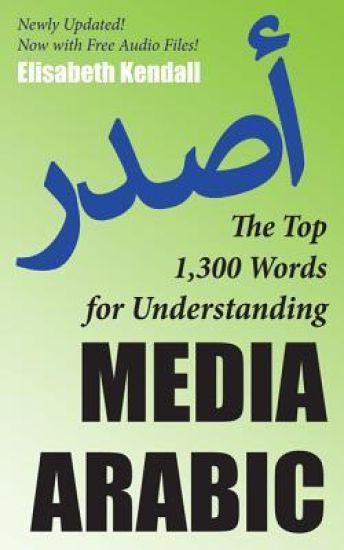
What is the Arabic term for "suicide bombing"? What phrase would be used to describe "peacekeeping forces" in the Arab media? Or "economic sanctions"? The Middle East is a key region for politics and business and it is essential that scholars, journalists, government workers, military personnel, businesspeople, and diplomats familiarize themselves quickly with Arabic/English translations for many key words and phrases used in the media. Media Arabic-the language of printed or broadcast news items-emphasizes contemporary terms like "multiculturalism" or "globalization" that are not covered by most Arabic dictionaries. This practical vocabulary reference provides concise and accessible lists of the most relevant vocabulary, providing key terms for translating from and into Arabic. The Arabic terms are organized by topic and the book now includes an index of English terms to help readers more easily find what they need. These word lists furnish readers with an invaluable knowledge of basic vocabulary used in the media to comprehend, translate, and write Arabic. NEW! Allow the reader to hear the words, check pronunciation, and test themselves! Audio MP3 files of all vocabulary words in English and Arabic-available as a free download. Simply click on the links below the cover image and download the .zip files. Topics include: * General (reports, statements, sources, common media idioms)* Politics & Government* Elections* Military* Economics* Trade & Industry* Law & Order* Disaster & Aid
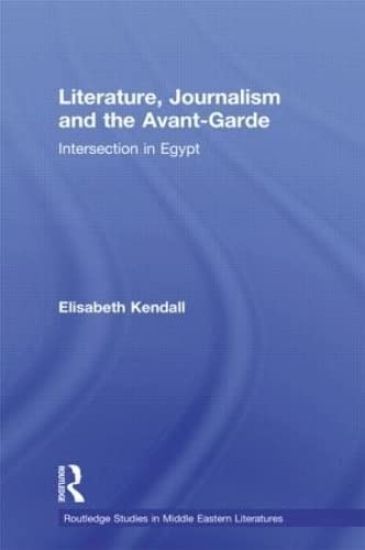
The author explores the role of journalism in Egypt in effecting and promoting the development of modern Arabic literature from its inception in the mid-nineteenth century to the present day. Remapping the literary scene in Egypt over recent decades, Kendall focuses on the independent, frequently dissident, journals that were the real hotbed of innovative literary activity and which made a lasting impact by propelling Arabic literature into the post-modern era.