Kirjailija
Elisabeth Kübler-Ross
Kirjat ja teokset yhdessä paikassa: 34 kirjaa, julkaisuja vuosilta 1997–2025, suosituimpiin kuuluu Life Lessons. Vertaile teosten hintoja ja tarkista saatavuus suomalaisista kirjakaupoista.
Nimi esiintyy myös muodoissa: Elisabeth Kubler-Ross
34 kirjaa
Kirjojen julkaisuvuodet: 1997–2025.
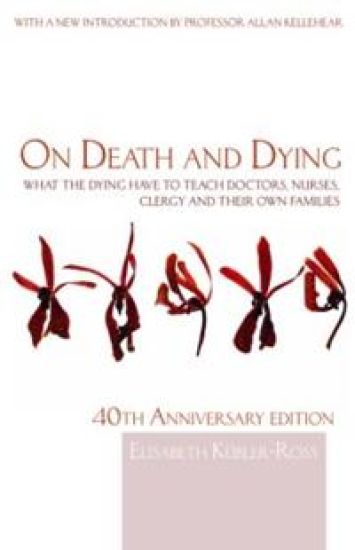
Denial, anger, bargaining, depression and acceptance. The five stages of grief, first formulated in this hugely influential work forty years ago, are now part of our common understanding of bereavement. The five stages were first identified by Elisabeth Kübler-Ross in her work with dying patients at the University of Chicago and were considered phases that all or most people went through, when faced with the prospect of their own death. They are now often accepted as a response to any major life change. However, in spite of these terms being in general use, the subject of death is still surrounded by conventional attitudes and reticence that offer only fragile comfort because they evade the real issues. This groundbreaking book is still relevant – giving a voice to dying people and exploring what impending death means to them, often in their own words. People speak about their experience of dying, their relief in expressing their fear and anger and being able to move forward to a state of acceptance and peace. Ideal for all those with an interest in bereavement or the five stages of grief, this book contains a new extended introduction from Professor Allan Kellehear. This additional chapter re-examines On Death and Dying looking at how it has influenced contemporary thought and practice.


Vieles wird von Sterbenden nur noch indirekt ausgedrückt: durch Gesten, Blicke, vor allem bei Kindern auch durch Zeichnungen. Die bekannte Sterbeforscherin Elisabeth Kübler-Ross erschließt uns allen diese symbolische Sprache. So kann jeder lernen, die letzten Wünsche und Ängste sterbender Menschen zu verstehen.
Döden är livsviktig : Om livet, döden och livet efter döden
Elisabeth Kübler-Ross
Natur Kultur Akademisk
2003
pokkari
Detta är Elisabeth Kübler-Ross mest personliga bok. Hon berättar här om några av de nyckelepisoder i sitt liv som gjort henne till pionjär inom vården av döende och ger inblickar i sitt arbete med döende barn genom gripande och numera klassiska fallbeskrivningar. Hon beskriver också några av sina egna nära-dödenupplevelser och anda andliga upplevelser som gjort henne övertygad om att livet fortsätter efter döden. Översättning Göran Grip
Die Autobiographie der engagierten Sterbeforscherin Am Ende ihres eigenen Lebens schildert Elisabeth Kübler-Ross die prägenden Ereignisse eines mutigen, engagierten Lebens: Von ihrer Jugend in der Schweiz über die Konfrontation mit dem Naziregime, ihrer therapeutischen Arbeit mit Sterbenden bis zur konkreten Begegnung mit dem Jenseits in Form von Nahtoderfahrungen. Der spannende und dramatische Bericht einer großen Therapeutin, die ihre Lebensaufgabe darin sieht, den Tod als Illusion zu entlarven.
Covers topics such as preparation for death, out-of-body experiences, and ancient rituals for preparing the body for burial.
This is an engaging introduction to the beliefs, work, and life of psychiatrist Elisabeth Kubler-Ross, who "declared war on the denial of death in America" (New York Times). Based on her more than 30 years experience with the dying, this book offers both challenge and hope.
Living with Death and Dying: How to Communicate with the Terminally Ill
Elisabeth Kubler-Ross
Simon Schuster
1997
pokkari
Synopsis coming soon.......
The companion guide to Elisabeth Kübler-Ross's famous workshops on death and dying This remarkable guide to coping with death and dying grew out of Dr. Elisabeth Kübler-Ross's realization that she could help larger numbers of terminally ill people directly by meeting with them in groups. The first such meeting in 1970 led to hundreds more throughout the United States and the world and now to Working It Through, a testament to "faith and the ability to survive and transcend the most difficult trials in life" as Kübler-Ross writes in her foreword. The photographer Mal Warshaw has documented the workshops, and his moving photographs bring this already powerful book to life.
AIDS "None of us is so unique as to be exempt from the human condition." As the numbers of reported AIDS cases continue to climb, and the disease continues to take more and more lives, those who have to deal with the complexities of this problem continue to ask: "How do we care for these terminally ill?" Using letters from patients, questions and answers between patient and doctor, and other compassionate tools, Dr. Elisabeth Kübler-Ross, the world's foremost expert on death and dying, shows us how to comfort the seriously ill and help AIDS patients through the critical "stages of dying" She addresses the stigma surrounding AIDS as a "gay disease" and makes a special plea for prisoners with AIDS, for women and children with AIDS, and for babies with AIDS. This remarkable book is warm and informative on one of the most important subjects of our time.
Offers various viewpoints on death and dying, including those of ministers, rabbis, doctors, nurses, and sociologists, along with personal accounts of those near death
On Death and Dying is one of the most important books ever written on the subject and is still considered the bench-mark in the care of the dying. It became an immediate bestseller, and Life magazine called it "a profound lesson for the living." This companion volume consists of the questions that are most frequently asked of Dr. Kübler-Ross and her compassionate answers. She discusses accepting the end of life, suicide, terminal illness, euthanasia, how to tell a patient he or she is critically ill, and how to deal with all the special difficulties surrounding death. Questions and Answers on Death and Dying is a vital resource for doctors, nurses, members of the clergy, social workers, and lay people dealing with death and dying.
On Children and Death is a major addition to the classic works of Elisabeth Kubler-Ross, whose On Death and Dying and Living with Death and Dying have been continuing sources of strength and solace for tens of millions of devoted readers worldwide. Based on a decade of working with dying children, this compassionate book offers the families of dead and dying children the help -- and hope -- they need to survive. In warm, simple language, Dr. Kubler-Ross speaks directly to the fears, doubts, anger, confusion, and anguish of parents confronting the terminal illness or sudden death of a child.