Kirjailija
Elisabeth Ozdalga
Kirjat ja teokset yhdessä paikassa: 11 kirjaa, julkaisuja vuosilta 1997–2021, suosituimpiin kuuluu Sufism, Music and Society in Turkey and the Middle East. Vertaile teosten hintoja ja tarkista saatavuus suomalaisista kirjakaupoista.
Nimi esiintyy myös muodoissa: Elisabeth Özdalga
11 kirjaa
Kirjojen julkaisuvuodet: 1997–2021.
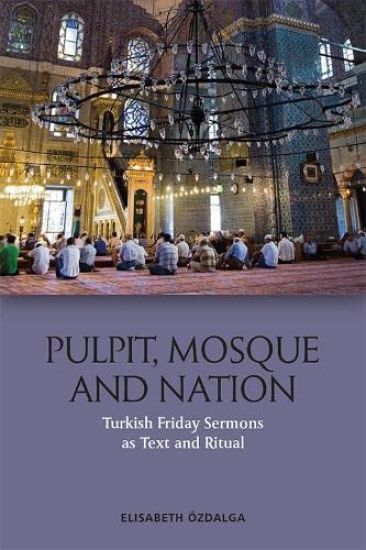
Since the formation of the Republic in 1923, Friday sermons (hutbe) have been an important platform that allows the state to engage and communicate with the Turkish people. Sermon topics vary from religious and ethical issues to matters concerning family, women, health, education, business and the environment. Even if politics, in the name of secularism, has been banned from mosques and sermons, questions of how to be a good citizen and honour the Turkish nation have been of utmost importance. With an all-pervading sermon theme of social, national and political unity, Elisabeth Ozdalga explores how long-standing religious rituals are utilised and mobilised in the formation of modern political loyalties and national identities.
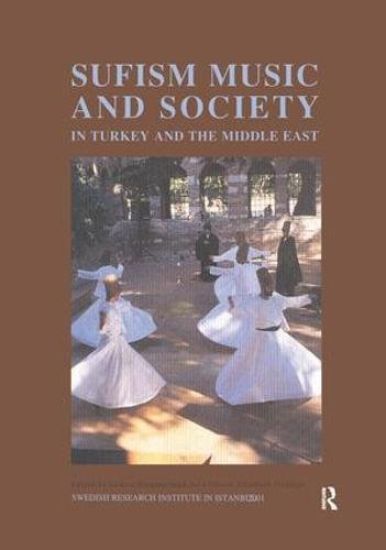
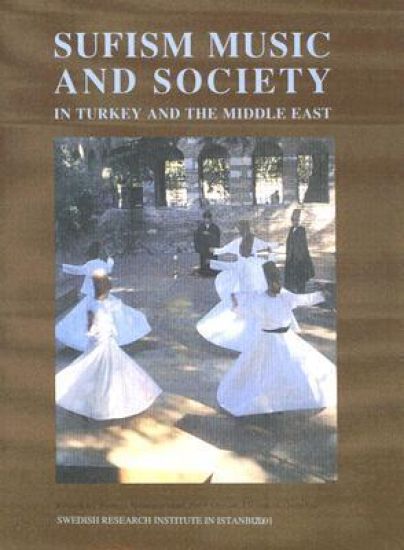
Sufism, Music and Society in Turkey and the Middle East
Anders Hammarlund; Tord Olsson; Elisabeth Ozdalga
Routledge
2017
sidottu
After decades of prohibition, Mevlana ceremonies of whirling dervishes attract renewed interest as forms of sacral music, both in formal and popular genres. This trend runs parallel to an increasing concern for cultural, ethnic and religious identities, where the rising tide of religious revivalism sets the tone.
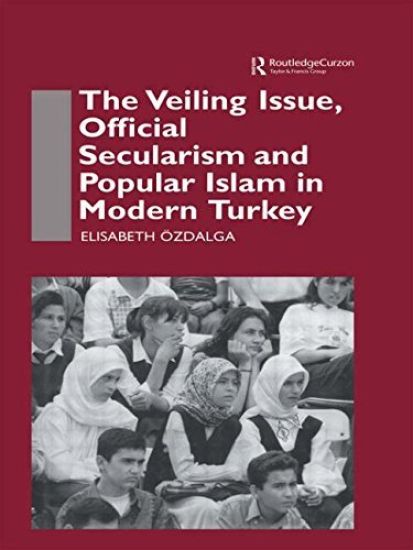
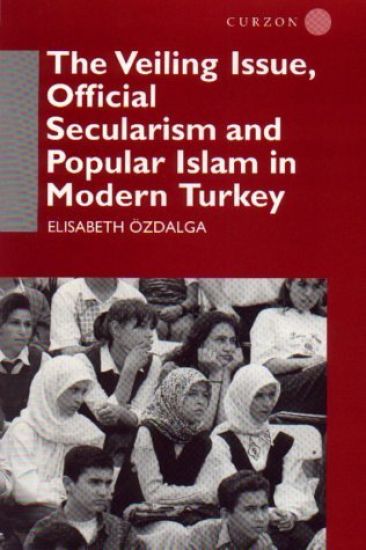
The Veiling Issue, Official Secularism and Popular Islam in Modern Turkey
Elisabeth Ozdalga
Routledge
2015
nidottu
In the Turkish elections of December 1995, the Islamic Welfare Party became the biggest Party in parliament and for the first time in history, an Islamic party had come to power by means of free elections. The rise to power of the Turkish Islamists is a result of several decades of revivalism. In this process the veil has been a prominent symbol of the new religious puritanism, causing resentment among those who regard the bare-headed woman as the symbol of progress and emancipation. In the light of a century-long conflict between secularism and popular Islam, the present study describes the conflict over the veil as it became a burning issue in the decade following the military intervention of 1980 and remains to this day a matter of controversy. While focusing on the issue of veiling, the author also considers the wider picture of tension between official secularism and popular Islam in present-day Turkey. Although this tension is not discounted, the author argues that the fact that the Islamic movement is on the rise does not mean that it threatens the very foundations of modern Turkish society. Whereas the controversies of the nineteenth century could be described as a 'clash of civilizations' (between Islam and the West), those of today have shrunk into conflicts over certain cultural symbols that are part of the same globally-expanding technological civilization.
When the Ottomans commenced their modernizing reforms in the 1830s, they still ruled over a vast empire. In addition to today's Turkey, including Anatolia and Thrace, their power reached over Mesopotamia, North Africa, the Levant, the Balkans, and the Caucasus. The Sultanate was at the apex of a truly multi-ethnic society. Modernization not only brought market principles to the economy and more complex administrative controls as part of state power, but also new educational institutions as well as new ideologies. Thus new ideologies developed and nationalism emerged, which became a political reality when the Empire reached its end. This book compares the different intellectual atmospheres between the pre-republican and the republican periods and identifies the roots of republican authoritarianism in the intellectual heritage of the earlier period.
Contested Sovereignties
Elisabeth Ozdalga; Sune Persson
SWEDISH RESEARCH INSTITUTE IN ISTANBUL
2010
nidottu
The relationship between constitutional arrangements and democratic developments has long been a topic of debate among political scientists and jurists. This new book explores these questions with special reference to the Middle East, where political instability and problems related to the consolidation of nation states are particularly acute. Taking the political crisis over the presidential election in Turkey in 2007 as its starting point, the book provides in depth analysis of how these events illustrated the ways in which the constitution and its supporting institutions could be mobilized for narrow and highly controversial political purposes. Questions of state sovereignty are then explored in the cases of Afghanistan, Pakistan, Iran, Iraq, Palestine and Israel, Lebanon, Jordan, Egypt and Morocco, contrasting them with European examples such as Sweden's constitutional arrangement in relation to its monarchy, and the European Union's current constitutional transformation. This is an important book for students and scholars interested in contemporary and historical perspectives on issues of nation building, state sovereignty and democracy in Europe and the Middle East.
When the Ottomans commenced their modernizing reforms in the 1830s, they still ruled over a vast empire. In addition to today's Turkey, including Anatolia and Thrace, their power reached over Mesopotamia, North Africa, the Levant, the Balkans, and the Caucasus. The Sultanate was at the apex of a truly multi-ethnic society. Modernization not only brought market principles to the economy and more complex administrative controls as part of state power, but also new educational institutions as well as new ideologies. Thus new ideologies developed and nationalism emerged, which became a political reality when the Empire reached its end. This book compares the different intellectual atmospheres between the pre-republican and the republican periods and identifies the roots of republican authoritarianism in the intellectual heritage of the earlier period.
Sufism, Music and Society in Turkey and the Middle East
Anders Hammarlund; Tord Olsson; Elisabeth Ozdalga
RoutledgeCurzon
2001
nidottu
After decades of prohibition, Mevlana ceremonies of whirling dervishes attract renewed interest as forms of sacral music, both in formal and popular genres. This trend runs parallel to an increasing concern for cultural, ethnic and religious identities, where the rising tide of religious revivalism sets the tone.
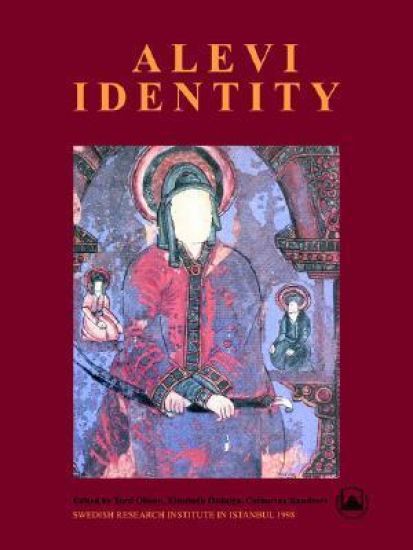
In the rising momentum for new and reformulated cultural identities, the Turkish Alevi have also emerged on the scene, demanding due recognition. In this process a number of dramatic events have served as important milestones: the clashes between Sunni and Alevi in Kahramanmaras in 1979 and Corum in 1980, the incendiarism in Sivas in 1992, and the riots in Istanbul (Gaziosmanpasa) in 1995. Less evocative, but in the long run more significant, has been the rising interest in Alevi folklore and religious practices. Questions have also arisen as to what this branch of Islamic heterodoxy represents in terms of old and new identities. In this book, these questions are addressed by some of the most prominent scholars in the field.
The Veiling Issue, Official Secularism and Popular Islam in Modern Turkey
Elisabeth Ozdalga
RoutledgeCurzon
1997
sidottu
In the Turkish elections of December 1995, the Islamic Welfare Party became the biggest Party in parliament and for the first time in history, an Islamic party had come to power by means of free elections. The rise to power of the Turkish Islamists is a result of several decades of revivalism. In this process the veil has been a prominent symbol of the new religious puritanism, causing resentment among those who regard the bare-headed woman as the symbol of progress and emancipation. In the light of a century-long conflict between secularism and popular Islam, the present study describes the conflict over the veil as it became a burning issue in the decade following the military intervention of 1980 and remains to this day a matter of controversy. While focusing on the issue of veiling, the author also considers the wider picture of tension between official secularism and popular Islam in present-day Turkey. Although this tension is not discounted, the author argues that the fact that the Islamic movement is on the rise does not mean that it threatens the very foundations of modern Turkish society. Whereas the controversies of the nineteenth century could be described as a 'clash of civilizations' (between Islam and the West), those of today have shrunk into conflicts over certain cultural symbols that are part of the same globally-expanding technological civilization.
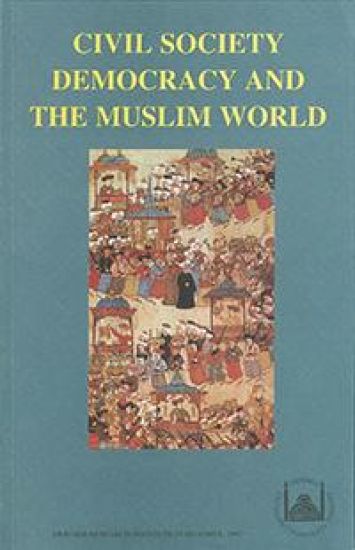
Civil Society, Democracy and the Muslim World : Papers Read at a Conference Held at the Swedish Research Institute in Istanbul, 28-30 October, 1996
Elisabeth Özdalga; Sune Persson
Svenska Forskningsinstitutet i Istanbul
1997
nidottu