Kirjojen hintavertailu – 12 903 725 kirjaa ja 27 kauppaa
Kirjailija
Elisabeth Schramm
Kirjat ja teokset yhdessä paikassa: 14 kirjaa, julkaisuja vuosilta 2012–2025, suosituimpiin kuuluu Manual para o grupo de módulos interpessoais. Vertaile teosten hintoja ja tarkista saatavuus suomalaisista kirjakaupoista.
Die Interpersonelle Psychotherapie (IPT) ist ein wirksames psychotherapeutisches Verfahren zur Depressionsbehandlung im ambulanten und stationaren Setting. Das Manual beschreibt die IPT-Late Life fur die Behandlung alterer Menschen mit Depression als Einzel- und Gruppentherapie. In Abgrenzung zu anderen Therapieverfahren hat die IPT-Late Life einen klaren psychosozial-interpersonellen Fokus und ist besonders geeignet, auf die Lebensrealitat alterer Menschen mit Verlusterfahrungen, Einsamkeit und gravierenden Lebensveranderungen einzugehen. Arbeitsblatter fur die Einzel- und Gruppenbehandlung stehen zum Download zur Verfugung.
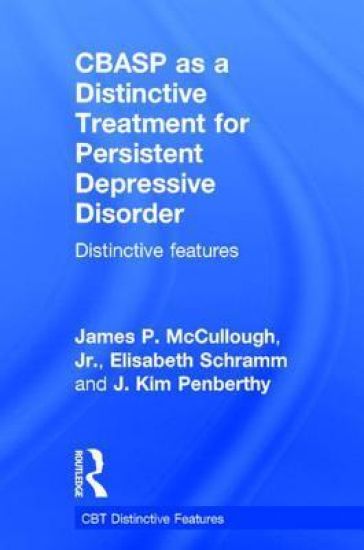
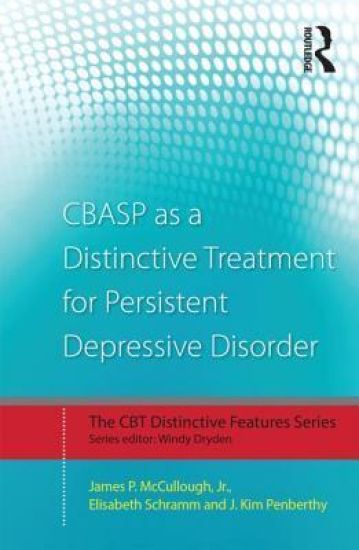
The Cognitive Behavioural Analysis System of Psychotherapy (CBASP) is the only psychotherapy model developed specifically for chronic depression. In the latest addition to the successful Distinctive Features series, the developer of CBASP, James P. McCullough Jr., along with Elisabeth Schramm and J. Kim Penberthy, provides an accessible introduction to this approach, showing how it differs from other cognitive behavioural approaches, and highlighting those features – both theoretical and practical – that make it unique. The unparalleled problems of the chronically depressed patient are some of the most difficult that practitioners face. The disorder has usually continued for a decade or more and patients enter psychotherapy interpersonally withdrawn, detached and with little or no motivation to change. CBASP as A Distinctive Treatment for Persistent Depressive Disorder provides a new look into the phenomenological world of the patient and shows the reader why the world-view of the patient is a valid perception of reality. CBASP is designed to address the problems of the patient in a step-by-step manner. This book explores the therapist role and shows how the CBASP model enables therapists to address the patient’s depression in a zone of interpersonal safety. Patients are taught how to behave in an interpersonally facilitative manner and shown how everything they do has consequences for others (including the therapist) and on the social environment in which they live. CBASP as A Distinctive Treatment for Persistent Depressive Disorder will be essential reading for novice and experienced CBT therapists, counselors and psychotherapists treating chronic depression.
The Cognitive Behavioural Analysis System of Psychotherapy (CBASP) is the only psychotherapy model developed specifically for chronic depression. In the latest addition to the successful Distinctive Features series, the developer of CBASP, James P. McCullough Jr., along with Elisabeth Schramm and J. Kim Penberthy, provides an accessible introduction to this approach, showing how it differs from other cognitive behavioural approaches, and highlighting those features – both theoretical and practical – that make it unique. The unparalleled problems of the chronically depressed patient are some of the most difficult that practitioners face. The disorder has usually continued for a decade or more and patients enter psychotherapy interpersonally withdrawn, detached and with little or no motivation to change. CBASP as A Distinctive Treatment for Persistent Depressive Disorder provides a new look into the phenomenological world of the patient and shows the reader why the world-view of the patient is a valid perception of reality. CBASP is designed to address the problems of the patient in a step-by-step manner. This book explores the therapist role and shows how the CBASP model enables therapists to address the patient’s depression in a zone of interpersonal safety. Patients are taught how to behave in an interpersonally facilitative manner and shown how everything they do has consequences for others (including the therapist) and on the social environment in which they live. CBASP as A Distinctive Treatment for Persistent Depressive Disorder will be essential reading for novice and experienced CBT therapists, counselors and psychotherapists treating chronic depression.