Kirjojen hintavertailu – 12 903 725 kirjaa ja 27 kauppaa

Kirjailija

Elizabeth A. Harkins Monaco

Kirjat ja teokset yhdessä paikassa: 4 kirjaa, julkaisuja vuosilta 2018–2024, suosituimpiin kuuluu Disability, Intersectionality, and Belonging in Special Education. Vertaile teosten hintoja ja tarkista saatavuus suomalaisista kirjakaupoista.

4 kirjaa

Kirjojen julkaisuvuodet: 2018–2024.

Disability, Intersectionality, and Belonging in Special Education

Disability, Intersectionality, and Belonging in Special Education

Elizabeth A. Harkins Monaco; L. Lynn Stansberry Brusnahan; Marcus C. Fuller; Martin O. Odima

BLOOMSBURY PUBLISHING PLC
2024
sidottu
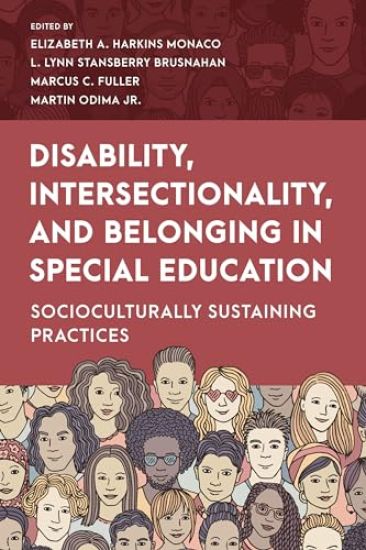
This book focuses on preparing culturally competent educators who use culturally sustaining practices and culturally relevant curricula and instruction to reach and teach all students with disabilities, including those with multiple social identities, through a varied multi-cultural lens. Today’s diverse classrooms require that educators possess competencies for teaching all students. This book has two primary audiences: 1. Pre-service educators2. Special education practitioners and administrators First, this book will assist pre-service students learning about special education for students with disabilities. We fully expect this book could be a required reading for students majoring in special education, for school social work students, for school counselors, and for students majoring in vocational rehabilitation services as a part of their coursework for transition. Second, this book will assist special education practitioners and administrators to meet the needs of individuals with disabilities including those with multiple social identities. Understanding the full-range of needs relating to cultural sustaining practices is imperative to working with individuals with disabilities and their families and care-givers. Being able to understand and explain this complex issue to others is important and often very necessary. This book is incredibly timely. Recent contributors to social injustices are the COVID-19 pandemic and the continued issues around police brutality and people of color. Social injustice in special education is historical and systemic. Special education practitioners are typically unaware of the importance of intersectional differences (Gay & Howard, 2000; Owen, 2010). Historically, practitioners have only been prepared to address cultural perspectives during awareness days and or through specific units in curricula. Other times they discuss it diagnostically (Linton, 1998), such as part of an educational plan or a need to learn English as a second language. Other issues stem from the value system of the special education practitioners themselves; some are not willing to engage in these concepts (Darling-Hammond, 2002); some “define fairness and equity as treating all children the same; and [others identify being] ‘colorblind’ [as] valuing diversity” (Owen, 2010, p. 18). Even when special educator practitioners attempt to address injustices on behalf of their students, they tend to center only on the student’s disability which means they are ignoring or erasing other aspects of their students’ identities. These issues highlight the importance of building the cultural competence of our teaching force. This book will help practitioners build this competence in their own spheres of influence.
Disability, Intersectionality, and Belonging in Special Education

Disability, Intersectionality, and Belonging in Special Education

Elizabeth A. Harkins Monaco; L. Lynn Stansberry Brusnahan; Marcus C. Fuller; Martin O. Odima

BLOOMSBURY PUBLISHING PLC
2024
nidottu
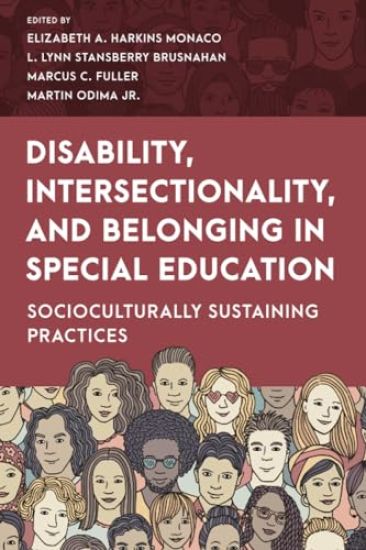
This book focuses on preparing culturally competent educators who use culturally sustaining practices and culturally relevant curricula and instruction to reach and teach all students with disabilities, including those with multiple social identities, through a varied multi-cultural lens. Today’s diverse classrooms require that educators possess competencies for teaching all students. This book has two primary audiences: 1. Pre-service educators2. Special education practitioners and administrators First, this book will assist pre-service students learning about special education for students with disabilities. We fully expect this book could be a required reading for students majoring in special education, for school social work students, for school counselors, and for students majoring in vocational rehabilitation services as a part of their coursework for transition. Second, this book will assist special education practitioners and administrators to meet the needs of individuals with disabilities including those with multiple social identities. Understanding the full-range of needs relating to cultural sustaining practices is imperative to working with individuals with disabilities and their families and care-givers. Being able to understand and explain this complex issue to others is important and often very necessary. This book is incredibly timely. Recent contributors to social injustices are the COVID-19 pandemic and the continued issues around police brutality and people of color. Social injustice in special education is historical and systemic. Special education practitioners are typically unaware of the importance of intersectional differences (Gay & Howard, 2000; Owen, 2010). Historically, practitioners have only been prepared to address cultural perspectives during awareness days and or through specific units in curricula. Other times they discuss it diagnostically (Linton, 1998), such as part of an educational plan or a need to learn English as a second language. Other issues stem from the value system of the special education practitioners themselves; some are not willing to engage in these concepts (Darling-Hammond, 2002); some “define fairness and equity as treating all children the same; and [others identify being] ‘colorblind’ [as] valuing diversity” (Owen, 2010, p. 18). Even when special educator practitioners attempt to address injustices on behalf of their students, they tend to center only on the student’s disability which means they are ignoring or erasing other aspects of their students’ identities. These issues highlight the importance of building the cultural competence of our teaching force. This book will help practitioners build this competence in their own spheres of influence.
Talking About Sex

Talking About Sex

Elizabeth A. Harkins Monaco; Thomas C. Gibbon; David F. Bateman

Rowman Littlefield
2018
nidottu
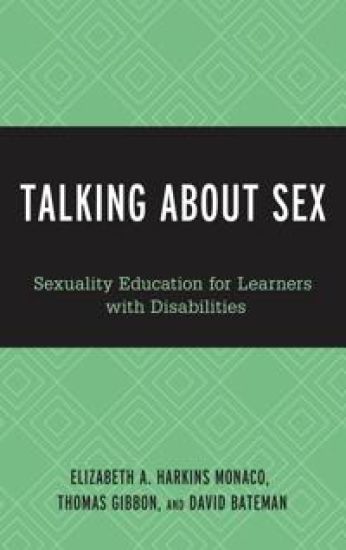
Key social and emotional milestones during adolescence are often directly related to the abilities to initiate and maintain intimate relationships, maintain physically maturing bodies, and manage personal sexuality. Most adolescents with developmental disabilities have particular difficulty expressing sexuality in satisfying ways, consequently facing issues such as limited intimate relationships, low self-esteem, increased social isolation, deregulated emotional maintenance, reduced sexual functioning, and limited sexual health. Appropriate sexual knowledge assists not only in achieving personal fulfillment, but protection from mistreatment, abuse, unplanned pregnancies, or sexually transmitted diseases (STDs). It also works to help solve problems of loneliness and problems with self-esteem. This book will address this but also much more. Issues of physical and cognitive development will be discussed, including appropriate sexual development/urges and brain development, and innate similarities and differences of sexuality that could occur between people with autism spectrum disorders and intellectual or developmental disabilities, including the complexities of physical disabilities. The authors will also consider special considerations for group homes and recreational facilities, and specifically focus on concepts of ethics and models of consent (medical, legal, social, and educational), as well as how to deal with uncertainty.
Talking About Sex

Talking About Sex

Elizabeth A. Harkins Monaco; Thomas C. Gibbon; David F. Bateman

Rowman Littlefield
2018
sidottu
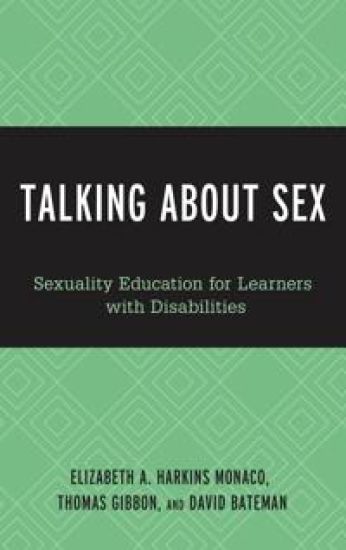
Key social and emotional milestones during adolescence are often directly related to the abilities to initiate and maintain intimate relationships, maintain physically maturing bodies, and manage personal sexuality. Most adolescents with developmental disabilities have particular difficulty expressing sexuality in satisfying ways, consequently facing issues such as limited intimate relationships, low self-esteem, increased social isolation, deregulated emotional maintenance, reduced sexual functioning, and limited sexual health. Appropriate sexual knowledge assists not only in achieving personal fulfillment, but protection from mistreatment, abuse, unplanned pregnancies, or sexually transmitted diseases (STDs). It also works to help solve problems of loneliness and problems with self-esteem. This book will address this but also much more. Issues of physical and cognitive development will be discussed, including appropriate sexual development/urges and brain development, and innate similarities and differences of sexuality that could occur between people with autism spectrum disorders and intellectual or developmental disabilities, including the complexities of physical disabilities. The authors will also consider special considerations for group homes and recreational facilities, and specifically focus on concepts of ethics and models of consent (medical, legal, social, and educational), as well as how to deal with uncertainty.