Kirjailija
Elizabeth Bowen
Kirjat ja teokset yhdessä paikassa: 57 kirjaa, julkaisuja vuosilta 1997–2026, suosituimpiin kuuluu A Very Irish Christmas. Vertaile teosten hintoja ja tarkista saatavuus suomalaisista kirjakaupoista.
57 kirjaa
Kirjojen julkaisuvuodet: 1997–2026.
This work has been selected by scholars as being culturally important and is part of the knowledge base of civilization as we know it. This work is in the public domain in the United States of America, and possibly other nations. Within the United States, you may freely copy and distribute this work, as no entity (individual or corporate) has a copyright on the body of the work. Scholars believe, and we concur, that this work is important enough to be preserved, reproduced, and made generally available to the public. To ensure a quality reading experience, this work has been proofread and republished using a format that seamlessly blends the original graphical elements with text in an easy-to-read typeface. We appreciate your support of the preservation process, and thank you for being an important part of keeping this knowledge alive and relevant.
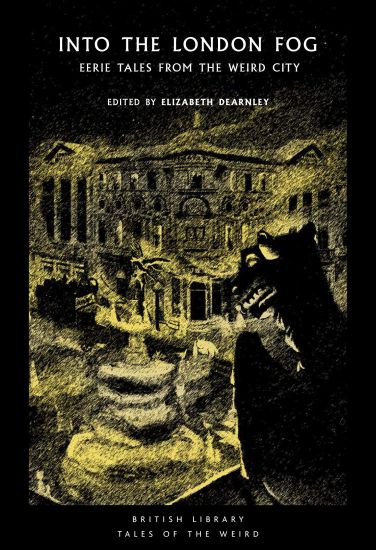
Into the London Fog
Charlotte Riddell; Rhoda Broughton; Sam Selvon; Claude McKay; Edith Nesbit; Violet Hunt; Lettice Galbraith; E. F. Benson; Elizabeth Bowen
British Library Publishing
2020
nidottu
Halvin toimitettuna 17,40 €
As the smoky dark sweeps across the capital, strange stories emerge from the night. A seance reveals a ghastly secret in the murk of Regent's Canal. From south of the Thames come chilling reports of a spring-heeled spectre, and in Stoke Newington rumours abound of an opening to another world among the quiet alleys. Join Elizabeth Dearnley on this atmospheric tour through a shadowy London, a city which has long inspired writers of the weird and uncanny. Waiting in the hazy streets are eerie tales from Charlotte Riddell, Lettice Galbraith and Violet Hunt, along with haunting pieces by Virginia Woolf, Arthur Machen, Sam Selvon and many more.
Elizabeth Bowen's first novel brilliantly captures the inflammatory mixture of passion and repression among well-heeled British tourists on the Italian Riviera. Their luxurious seaside hotel seems a closed and comfortable world, marked by dramas no more momentous than tennis games, picnics, and idle gossip. But for the young women of the 1920s, facing a dearth of young men after the first World War, it is a battleground for the clash of tradition and modernity. As rebellious young Sydney Warren tests the boundaries of her incomplete freedom--and becomes obsessed with a clever and charming older woman--she increasingly bewilders her suitors, her handlers, and herself. With the psychological precision and command of atmosphere that marks Bowen's most famous novels, The Hotel depicts a collection of privileged men and women in determined denial of a world that is falling apart around them.
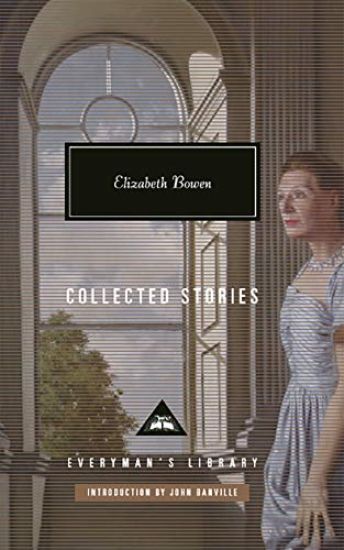
A brilliant and much admired novelist, Elizabeth Bowen (1899–1973) surpassed herself as a writer of short fiction: 'the supreme genius of her time', writes John Banville in his introduction; 'There is not a story in this substantial volume ... that is not brought off beautifully.' A substantial volume indeed, Including 79 stories written over four decades, ranging in setting from the County Cork of the author's Anglo-Irish childhood to bomb-ravaged London where she coolly sat out the War, evoked with vivid and impeccable artistry. She has a disturbing sense of the uncanny, an acute eye for social comedy and her often emotionally secretive characters are depicted with penetrating psychological insight. She is good at houses, ghosts, children, animals ... 900 pages of sheer delight
Collected Stories of Elizabeth Bowen: Introduction by John Banville
Elizabeth Bowen
Everyman's Library
2019
sidottu
A beautiful hardcover edition of the collected short stories of "one of the best short story writers who ever lived" (Newsweek)--with an introduction by the Booker Prize-winning author of The Sea. Widely known for her extraordinary novels, including The Heat of the Day, The House in Paris, and The Death of the Heart, Elizabeth Bowen established herself in the front rank of twentieth-century writers equally through her short fiction. This collection includes seventy-nine magnificent stories written over the course of four decades, including such beloved classics as "Mysterious K r," "The Demon Lover," "Summer Night," "Ivy Gripped the Steps," and "The Happy Autumn Fields." Whether placing her reader in a remote Irish castle or a seaside Italian villa or bomb-scarred London during the Blitz, Bowen was famous for scene setting of almost hallucinatory vividness, but her ability to evoke inner landscapes of spellbinding intensity was even more remarkable. Frustrated lovers, acutely observed children, and even vengeful ghosts inhabit her tales with an urgency and emotional complexity that make it clear that the drama of human consciousness was her central subject. These stories are enduring testimony to Bowen's reputation as a creator of finely chiseled narratives--rich in imagination, psychological insight, and craft--that transcend their time and place.
The publication of Encounters in1923 launched what would become a luminous forty-year writing career that spanned the advent of modernist literature, the Second World War, and the fraught years preceding the political turmoil of "the Troubles" in Ireland. These gem-like stories display Elizabeth Bowen's uncanny ability to represent un-belonging, dispossession, and the fragility of selfhood. With astonishing literary adroitness and psychological acuity, she depicts the comedy of British class society, the fracturing of external perception, the pervasive influence of suppressed sexuality, and the abiding force of adolescent epiphanies. Her deft use of language to convey the interior atmosphere of her characters' lives renders these tales as moving as they are timeless.
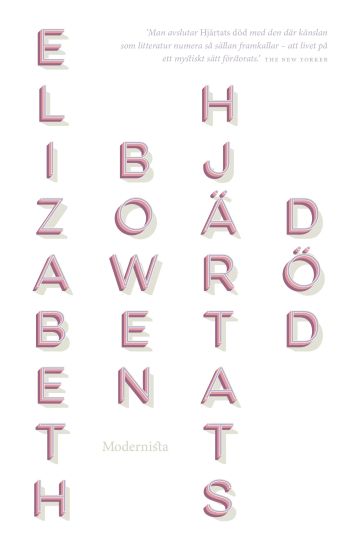
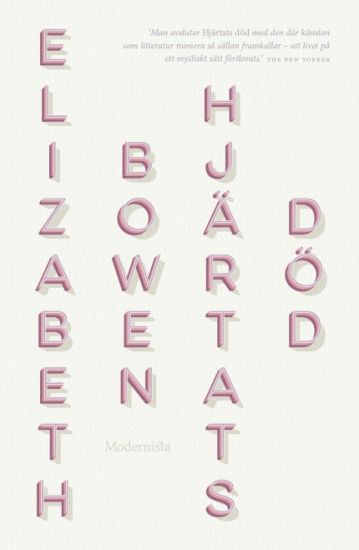
»Man avslutar Hjärtats död med den där känslan som litteratur numera så sällan framkallar - att livet på ett mystiskt sätt förstorats.« | The New Yorker Portia Quayne, 16 år och föräldralös, måste flytta till sin halvbror Thomas förmögna hem i London. Han och hustrun Anna är allt annat än förtjusta över att hysa avkomman från den vanärade Quayne den äldres andra äktenskap. Portia möter inte bara känslokyla riktad mot sig: i detta hem tycks alla, såväl värdparet som tjänstefolket, reserverade gentemot varandra. Livet här är strypt av regler, etikett, kontroll, beräkning. Samma gäller för den 23-årige Eddie, som hon inleder ett förhållande med. Portia registrerar allt och dokumenterar sina känslor och intryck i sin dagbok. När Anna Quayne upptäcker dagboken tvingas Portia till ett livsavgörande vägval. Hjärtats död är Elizabeth Bowens mästerverk om mellankrigstidens England, en av milstolparna i engelskspråkig modernism inkluderad på såväl Time Magazines som Modern Librarys listor över 1900-talets 100 bästa engelskspråkiga romaner. Här i svensk översättning av Viveka Starfelt och med ett nyskrivet efterord av författaren och kritikern Carl-Johan Malmberg. ELIZABETH BOWEN [1899-1973] var en irländsk författare, som i dag räknas till 1900-talets stora namn i den engelska litteraturen. Hjärtats död [The Death of the Heart, 1938] är ett av hennes mest centrala verk; en av de stora romanerna från förkrigstidens England, inkluderad på såväl Time Magazines som Modern Librarys listor över 1900-talets 100 bästa engelskspråkiga romaner.
»Man avslutar Hjärtats död med den där känslan som litteratur numera så sällan framkallar - att livet på ett mystiskt sätt förstorats.« | The New Yorker Portia Quayne, 16 år och föräldralös, måste flytta till sin halvbror Thomas förmögna hem i London. Han och hustrun Anna är allt annat än förtjusta över att hysa avkomman från den vanärade Quayne den äldres andra äktenskap. Portia möter inte bara känslokyla riktad mot sig: i detta hem tycks alla, såväl värdparet som tjänstefolket, reserverade gentemot varandra. Livet här är strypt av regler, etikett, kontroll, beräkning. Samma gäller för den 23-årige Eddie, som hon inleder ett förhållande med. Portia registrerar allt och dokumenterar sina känslor och intryck i sin dagbok. När Anna Quayne upptäcker dagboken tvingas Portia till ett livsavgörande vägval. Hjärtats död [The Death of the Heart, 1938] är Elizabeth Bowens mästerverk om mellankrigstidens England, en av milstolparna i engelskspråkig modernism. I svensk översättning av Viveka Starfelt. ELIZABETH BOWEN [1899-1973] var en irländsk författare, som i dag räknas till 1900-talets stora namn i den engelska litteraturen. Hjärtats död [The Death of the Heart, 1938] är ett av hennes mest centrala verk; en av de stora romanerna från förkrigstidens England, inkluderad på såväl Time Magazines som Modern Librarys listor över 1900-talets 100 bästa engelskspråkiga romaner.
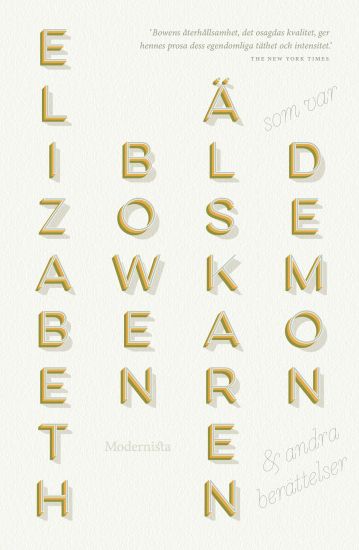
Krigstidens London under bombningarna, det explosiva fysiska rummet såväl som känslorna och föreställningarna, har väl aldrig skildrats med sådan ingående intensitet som hos Elizabeth Bowen. Då inte minst i Älskaren som var demon och andra berättelser [The Demon Lover and Other Stories, 1945], hennes viktigaste enskilda novellsamling. Denna samling speglar också hennes komplexa förhållande till hemlandet Irland, där hon som barn växte upp i den styrande angloirländska klassen. Människorna i dessa noveller lever i krigets extrema och akuta vardag, samtidigt som de själva blir ett slags spökhistorier; i drömmar om ett definitivt svunnet förflutet eller genom annan flykt från verkligheten - som till exempel i den oförglömliga, hallucinatoriska titelnovellen. En av 1900-talets stora engelskspråkiga klassiker i novellgenren återutges härmed, i svensk översättning av Viveka Starfelt. ELIZABETH BOWEN [1899-1973] var en irländsk författare, som i dag räknas till 1900-talets stora namn i den engelska litteraturen. Hjärtats död [The Death of the Heart, 1938] är ett av hennes mest centrala verk; en av de stora romanerna från förkrigstidens England, inkluderad på såväl Time Magazines som Modern Librarys listor över 1900-talets 100 bästa engelskspråkiga romaner.
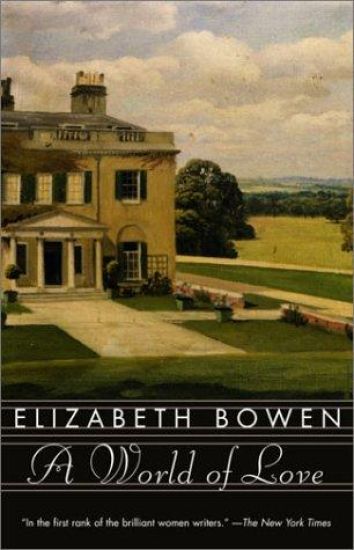
A packet of letters, found in an attic, leads young Jane into the world of love. During a hot and dry summer, Jane pursues her romantic imaginings, while not far off the rich, promiscuous Lady Latterly waits to play her part in Jane's awakening.
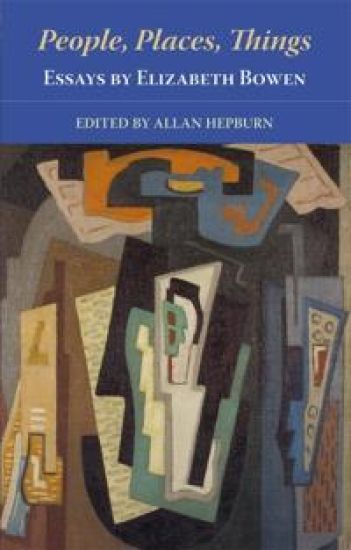
People, Places, Things Essays by Elizabeth Bowen
Elizabeth Bowen
Edinburgh University Press
2008
nidottu
Throughout her career, Elizabeth Bowen, the Anglo-Irish novelist and short story writer, also wrote literary essays that display a shrewd, generous intelligence. Always sensitive to underlying tensions, she evokes the particular climate of countries and places in "Hungary," "Prague and the Crisis," and "Bowen's Court." In "Britain in Autumn," she records the strained atmosphere of the blitz as no other writer does. Immediately after the war, she reported on the International Peace Conference in Paris in a series of essays that are startling in their evocation of tense diplomacy among international delegates scrabbling to define the boundaries of Europe and the stakes of the Cold War. The aftershock of war registers poignantly in "Opening Up the House": owners evacuated during the war return to their houses empty since 1939. Other essays in this volume, especially those on James Joyce, Jane Austen, and the technique of writing, offer indispensable mid-century evaluations of the state of literature. The essays assembled in this volume were published in British, Irish, and American periodicals during Bowen's lifetime. She herself did not gather them into any collection. Some of these essays exist only as typescript drafts and are published here for the first time. Bowen's observations on age, toys, disappointment, charm, and manners place her among the very best literary essayists of the modernist period.
People, Places, Things Essays by Elizabeth Bowen
Elizabeth Bowen
Edinburgh University Press
2008
sidottu
Throughout her career, Elizabeth Bowen, the Anglo-Irish novelist and short story writer, also wrote literary essays that display a shrewd, generous intelligence. Always sensitive to underlying tensions, she evokes the particular climate of countries and places in "Hungary," "Prague and the Crisis," and "Bowen's Court." In "Britain in Autumn," she records the strained atmosphere of the blitz as no other writer does. Immediately after the war, she reported on the International Peace Conference in Paris in a series of essays that are startling in their evocation of tense diplomacy among international delegates scrabbling to define the boundaries of Europe and the stakes of the Cold War. The aftershock of war registers poignantly in "Opening Up the House": owners evacuated during the war return to their houses empty since 1939. Other essays in this volume, especially those on James Joyce, Jane Austen, and the technique of writing, offer indispensable mid-century evaluations of the state of literature. The essays assembled in this volume were published in British, Irish, and American periodicals during Bowen's lifetime. She herself did not gather them into any collection. Some of these essays exist only as typescript drafts and are published here for the first time. Bowen's observations on age, toys, disappointment, charm, and manners place her among the very best literary essayists of the modernist period.
A prolific writer of short stories, Elizabeth Bowen claimed towards the end of her life that "a story deals in the not-yet-thought-of but always possible." Covering a range of situations - broken engagements, encounters with ghosts, brushes with crime - these stories demonstrate the virtuosity of technique that characterizes all of Bowen's writing. "The Lost Hope" ranks with the best of her war stories. Shattering the lives of soldiers and civilians alike, the war cancels the promise shown by the generation that came of age in the 1940s. Yet the war also clears a path to the future, as happens in "Comfort and Joy" and "The Last Bus." Bowen's characters live in the grip of intense circumstances. They respond ardently or ironically to their dilemmas, and sometimes both at once, as does sulky, big-limbed Doris Simonez in "Flowers Will Do." If some of the children in these stories are too wise for their age, like the punctual protagonist of "The Unromantic Princess," adults occasionally behave with no insight at all into their actions. Humour in these tales ranges from the sardonic to the light-hearted. In the title story, "The Bazaar," Captain Winch begs everyone for pins and ends up stealing some. Lady Hottenham gives an impromptu little speech that drifts agonizingly into cliche. The fairy tales, fables, and social dramas in this volume were never gathered together during Bowen's lifetime; a few exist only in unfinished draft. With this collection, Bowen, gifted with keen social observation, justifies her place in the company of D. H. Lawrence, Katherine Mansfield, Virginia Woolf, and James Joyce. Key Features: *Brings together for the first time Bowen's uncollected short stories *Demonstrates the diversity of Bowen's short fiction across her writing career *The stories cover familiar Bowen themes of marriage, travel, estrangement, disappointment and disinheritance *Completes the picture of Bowen as a compelling writing of the short story

Widely known for her much-admired novels, including The Heat of the Day, The House in Paris, and The Death of the Heart, Elizabeth Bowen established herself in the front rank of the century's writers equally through her short fiction. This collection brings together seventy-nine magnificent stories written over the course of four decades. Vividly featuring scenes of bomb-scarred London during the Blitz, frustrated lovers, acutely observed children, and even vengeful ghosts, these stories reinforce Bowen's reputation as an artist whose finely chiseled narratives--rich in imagination, psychological insight, and craft--transcend their time and place.
In 1914, three eleven-year-old girls buried a box in a thicket on the coast of England, shortly before World War I sent their lives on divergent paths. Nearly fifty years later, a series of mysteriously-worded classified ads brings the women reluctantly together again. Dinah has grown from a chubby, bossy girl to a beautiful, eccentric widow. The clever, reticent Clare has blossomed into an imperious entrepreneur of independent means. And Sheila--who was once the pretty princess of her small universe--has weathered disappointed aspirations to become a chic and glossily correct housewife. As these radically different women confront one another and their shared secrets, the hard-won complacencies of their present selves are irrevocably shattered. In a novel as subtle and compelling as a mystery, Elizabeth Bowen explores the buried revelations--and the dangers--that attend the summoning up of childhood and the long-concealed scars of the past.
In a writing career that spanned the 1920s to the 1960s, Anglo-Irish author Elizabeth Bowen created a rich and nuanced body of work in which she enlarged the comedy of manners with her own stunning brand of emotional and psychological depth. In A World of Love, an uneasy group of relations are living under one roof at Montefort, a decaying manor in the Irish countryside. When twenty-year-old Jane finds in the attic a packet of love letters written years ago by Guy, her mother s one-time fiance who died in World War I, the discovery has explosive repercussions. It is not clear to whom the letters are addressed, and their appearance begins to lay bare the strange and unspoken connections between the adults now living in the house. Soon, a girl on the brink of womanhood, a mother haunted by love lost, and a ruined matchmaker with her own claim on the dead wage a battle that makes the ghostly Guy as real a presence in Montefort as any of the living."
It's the balmy days of the 1920s and where could be more pleasant for a holiday than a hotel on the Italian Riviera? Filled with prosperous English visitors, the Hotel offers a closed world of wealth and comfort. With great wit and insight Elizabeth Bowen's first novel lays bare the intricacies and eccentricities of polite society.
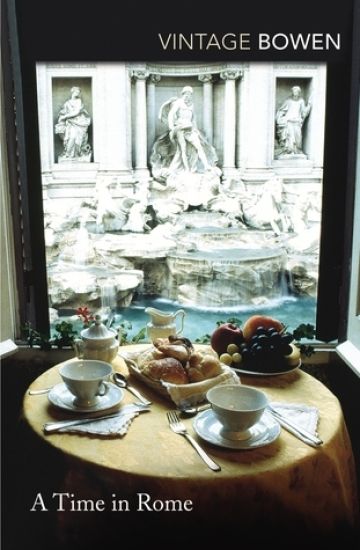
Elizabeth Bowen's account of a time spent in Rome is no ordinary guidebook but an evocation of a city - its history, its architecture and, above all, its atmosphere.