Kirjojen hintavertailu – 12 859 818 kirjaa ja 27 kauppaa

Kirjailija

Elizabeth Currie

Kirjat ja teokset yhdessä paikassa: 5 kirjaa, julkaisuja vuosilta 2016–2025, suosituimpiin kuuluu On the Perilous Road: An unauthorised biography of J.R.R.Tolkien. Vertaile teosten hintoja ja tarkista saatavuus suomalaisista kirjakaupoista.

5 kirjaa

Kirjojen julkaisuvuodet: 2016–2025.

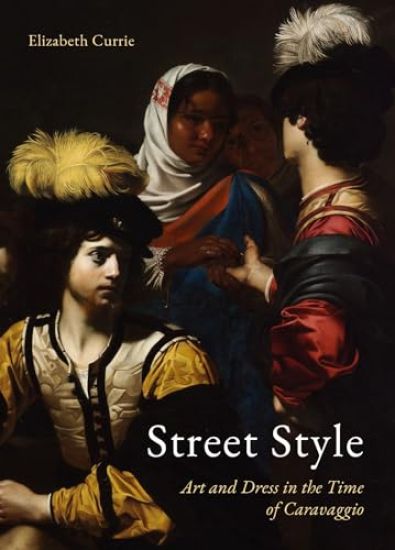
Street Style

Street Style

Elizabeth Currie

REAKTION BOOKS
2025
sidottu

Halvin toimitettuna 40,90 €

In late sixteenth-century Rome, artists found inspiration in bustling streets and taverns, depicting soldiers, Romani fortune tellers, sex workers and servants among the city’s poorest inhabitants. Street Style explores these hidden lives, uncovering how the stories of ordinary people are preserved through their clothing and appearances in art. Written records highlight the harsh conditions faced by marginalized groups, while prints and paintings often promoted visual stereotypes. With fresh interpretations of notable works by Caravaggio and his followers, this book reveals the complex social meanings of dress and the ways art captured and shaped the real-life struggles of early modern Italy’s lower classes.
Indigenous Concepts of Health and Healing in Andean Populations

Indigenous Concepts of Health and Healing in Andean Populations

Elizabeth Currie; John Schofield

TAYLOR FRANCIS LTD
2024
sidottu
This book uses archaeology and ethnohistory to explore the evidence for the survival of ancestral beliefs and practices related to health and healing in Indigenous Andean communities. The authors argue that through determining the nature of the survival of beliefs around health and healing, important insights are gained into how people develop adaptive strategies for survival in a way that allows a continuity of identity and integrity. The book works through various stages of research to arrive at its conclusions. Firstly, through archaeology and ethnohistory, it establishes a ‘baseline’ of key ancestral (pre-European) Indigenous Andean beliefs related to health, illness and healing. It then proceeds to review the evidence for the survival of these ancestral beliefs and practices related to Indigenous pre-European Andean epistemologies and ontologies. Analysing the results of the first two sections, the final part reflects on the narratives around ancestral beliefs and practices and how they influence lived experience in the contemporary world. In essence, this book deals with the question 'How do people manage change?', a universal question relevant to humanity at any time, and stresses the need to recognise the significance of cultural diversity, intangible heritage and plurality. This interdisciplinary study is for researchers in ethnohistory, anthropology, medical anthropology, archaeology, history, heritage and Indigenous studies.
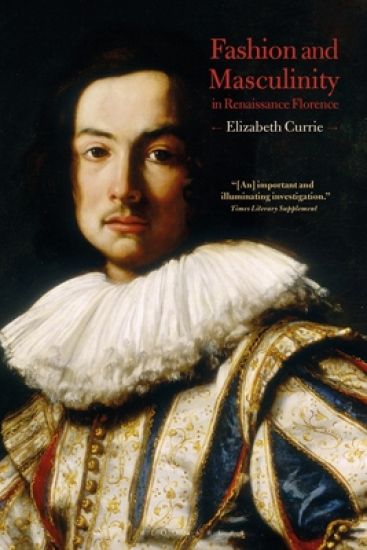
Fashion and Masculinity in Renaissance Florence

Fashion and Masculinity in Renaissance Florence

Elizabeth Currie

Bloomsbury Visual Arts
2019
nidottu
Dress became a testing ground for masculine ideals in Renaissance Italy. With the establishment of the ducal regime in Florence in 1530, there was increasing debate about how to be a nobleman. Was fashionable clothing a sign of magnificence or a source of mockery? Was the graceful courtier virile or effeminate? How could a man dress for court without bankrupting himself? This book explores the whole story of clothing, from the tailor’s workshop to spectacular court festivities, to show how the male nobility in one of Italy’s main textile production centers used their appearances to project social, sexual, and professional identities. Sixteenth-century male fashion is often associated with swagger and ostentation but this book shows that Florentine clothing reflected manhood at a much deeper level, communicating a very Italian spectrum of male virtues and vices, from honor, courage, and restraint to luxury and excess. Situating dress at the heart of identity formation, Currie traces these codes through an array of sources, including unpublished archival records, surviving garments, portraiture, poetry, and personal correspondence between the Medici and their courtiers. Addressing important themes such as gender, politics, and consumption, Fashion and Masculinity in Renaissance Florence sheds fresh light on the sartorial culture of the Florentine court and Italy as a whole.

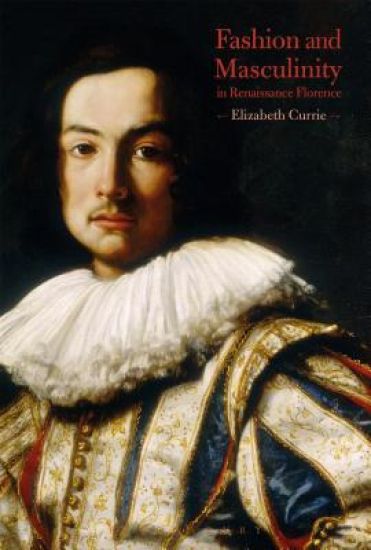
Fashion and Masculinity in Renaissance Florence

Fashion and Masculinity in Renaissance Florence

Elizabeth Currie

Bloomsbury Academic
2016
sidottu
Dress became a testing ground for masculine ideals in Renaissance Italy. With the establishment of the ducal regime in Florence in 1530, there was increasing debate about how to be a nobleman. Was fashionable clothing a sign of magnificence or a source of mockery? Was the graceful courtier virile or effeminate? How could a man dress for court without bankrupting himself? This book explores the whole story of clothing, from the tailor’s workshop to spectacular court festivities, to show how the male nobility in one of Italy’s main textile production centers used their appearances to project social, sexual, and professional identities. Sixteenth-century male fashion is often associated with swagger and ostentation but this book shows that Florentine clothing reflected manhood at a much deeper level, communicating a very Italian spectrum of male virtues and vices, from honor, courage, and restraint to luxury and excess. Situating dress at the heart of identity formation, Currie traces these codes through an array of sources, including unpublished archival records, surviving garments, portraiture, poetry, and personal correspondence between the Medici and their courtiers. Addressing important themes such as gender, politics, and consumption, Fashion and Masculinity in Renaissance Florence sheds fresh light on the sartorial culture of the Florentine court and Italy as a whole.