Kirjojen hintavertailu – 12 859 818 kirjaa ja 27 kauppaa
Kirjailija
Elizabeth Gaskell
Kirjat ja teokset yhdessä paikassa: 268 kirjaa, julkaisuja vuosilta 1976–2026, suosituimpiin kuuluu Ruth. Vertaile teosten hintoja ja tarkista saatavuus suomalaisista kirjakaupoista.
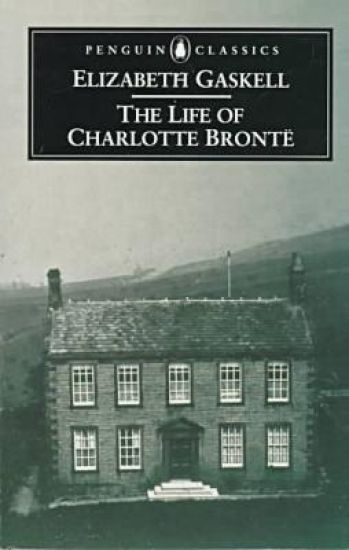
The first full-length biography of a woman novelist by a woman novelist, which was almost single-handedly responsible for creating the Brontë myth‘A classic in its own right, still read today as one of the great works of Victorian literature’ Lucasta MillerElizabeth Gaskell’s biography of her close friend Charlotte Brontë was published in 1857 to immediate popular acclaim and remains the most significant study of the enigmatic author who gave Jane Eyre the sub-title ‘An Autobiography’. It recounts Charlotte Brontë’s life from her isolated childhood, through her years as a writer who had ‘foreseen the single life’ for herself, to her marriage at thirty-eight and death less than a year later. The resulting work – the first full-length biography of a woman novelist by a woman novelist – explores the nature of Charlotte’s genius and almost single-handedly created the Brontë myth. Edited with an Introduction and Notes by Elisabeth Jay
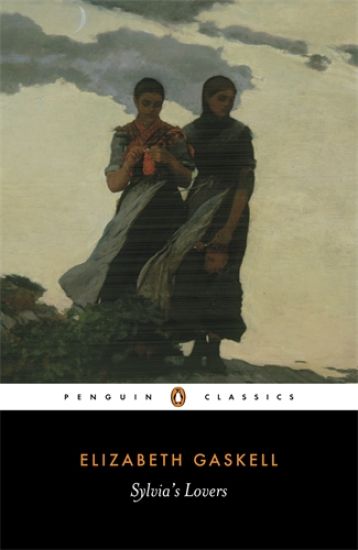
Elizabeth Gaskell's only historical novel, Sylvia's Lovers, is set in 1790 in the seaside town of Monkshaven (Whitby) where press-gangs wreak havoc by seizing young men for service in the Napoleonic wars. One of their victims is whaling harpooner, Charley Kinraid, whose charm and vivacity have captured the heart of Sylvia Robson. But Sylvia's devoted cousin, Philip Hepburn, hopes to marry her himself and, in order to win her, deliberately withholds crucial information - with devastating consequences. With its themes of suffering, unrequited love, and the clash between desire and duty, Sylvia's Lovers is one of the most powerfully moving of all Gaskell's novels, reputedly described by its author as 'the saddest story I ever wrote'.
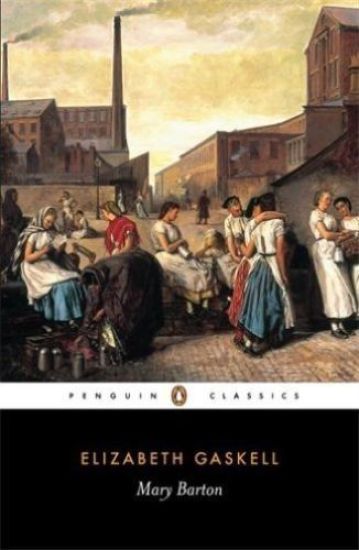
Elizabeth Gaskell's remarkable first novel, Mary Barton: A Tale of Manchester Life portrays a love that defies the rigid boundaries of class with tragic consequences. This Penguin Classics edition is edited with an introduction and notes by MacDonald Daly. Mary Barton, the daughter of disillusioned trade unionist, rejects her working-class lover Jem Wilson in the hope of marrying Henry Carson, the mill owner's son, and making a better life for herself and her father. But when Henry is shot down in the street and Jem becomes the main suspect, Mary finds herself painfully torn between the two men. Through Mary's dilemma, and the moving portrayal of her father, the embittered and courageous Chartist agitator John Barton, Mary Barton powerfully dramatizes the class divides of the 'hungry forties' as personal tragedy. In its social and political setting, it looks towards Elizabeth Gaskell's great novels of the industrial revolution, in particular North and South. Macdonald Daly's introduction discusses Gaskell's first novel as a pioneering work in the recognition of the conditions of the poor and working class; this edition also contains full notes and a chronology of Gaskell's life. Elizabeth Gaskell (1810-65) was born in London, but grew up in the north of England in the village of Knutsford. In 1832 she married the Reverend William Gaskell and had four daughters, and one son who died in infancy. Her first novel, Mary Barton, was published in 1848, winning the attention of Charles Dickens, and most of her later work was published in his journals. She was also a lifelong friend of Charlotte Brontë, whose biography she wrote. If you enjoyed Mary Barton, you might like George Eliot's The Mill on the Floss, also available in Penguin Classics.
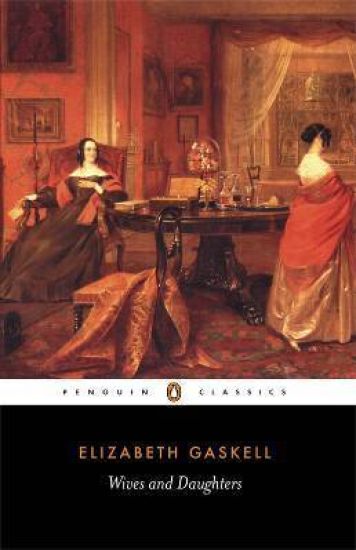
Elizabeth Gaskell's Wives and Daughters is a story of romance, scandal and intrigue within the confines of a watchful, gossiping English village during the early nineteenth century. This Penguin Classics edition is edited with an introduction and notes by Pam Morris. When seventeen-year-old Molly Gibson's widowed father remarries, her life is turned upside down by the arrival of her vain, manipulative stepfather. She also acquires an intriguing new stepsister, Cynthia, glamorous, sophisticated and irresistible to every man she meets. The two girls begin to confide in one another and Molly soon finds herself a go-between in Cynthia's love affairs - but in doing so risks losing both her own reputation and the man she secretly loves. Set in English society before the 1832 Reform Bill, Elizabeth Gaskell's last novel - considered to be her finest - demonstrates an intelligent and compassionate understanding of human relationships, and offers a witty, ironic critique of mid-Victorian society. This text is based on the 1866 Cornhill Magazine version of the novel. It also includes notes on textual variants between this edition and the original manuscript, a note on the story's ending and an introduction discussing the novel's challenging investigation of themes of Englishness, Darwinism and masculine authority. Elizabeth Gaskell (1810-65) was born in London, but grew up in the north of England in the village of Knutsford. In 1832 she married the Reverend William Gaskell and had four daughters, and one son who died in infancy. Her first novel, Mary Barton, was published in 1848, winning the attention of Charles Dickens, and most of her later work was published in his journals, including Cranford (1853), serialised in Dickens's Household Words. She was also a lifelong friend of Charlotte Brontë, whose biography she wrote. If you enjoyed Wives and Daughters, you might like Thomas Hardy's The Return of the Native, also available in Penguin Classics.'No nineteenth-century novel contains a more devastating rejection than this of the Victorian male assumption of moral authority'Pam Morris
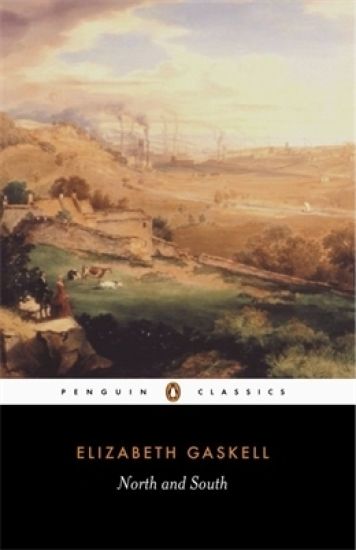
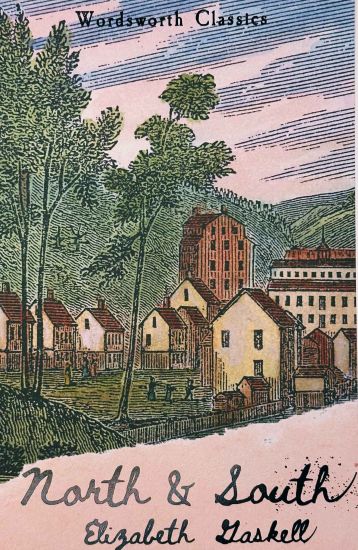
As relevant now as when it was first published, Elizabeth Gaskell's North and South skilfully weaves a compelling love story into a clash between the pursuit of profit and humanitarian ideals. This Penguin Classics edition is edited with an introduction by Patricia Ingham. When her father leaves the Church in a crisis of conscience, Margaret Hale is uprooted from her comfortable home in Hampshire to move with her family to the North of England. Initially repulsed by the ugliness of her new surroundings in the industrial town of Milton, Margaret becomes aware of the poverty and suffering of local mill workers and develops a passionate sense of social justice. This is intensified by her tempestuous relationship with the mill-owner and self-made man John Thornton, as their fierce opposition over his treatment of his employees masks a deeper attraction. In North and South Gaskell skilfully fused individual feeling with social concern, and in Margaret Hale created one of the most original heroines of Victorian literature. In her introduction Patricia Ingham examines Elizabeth Gaskell's treatment of geographical, economic and class differences, and the male and female roles portrayed in the novel. This edition also includes further reading, notes and a useful glossary. Elizabeth Gaskell (1810-65) was born in London, but grew up in the north of England in the village of Knutsford. In 1832 she married the Reverend William Gaskell and had four daughters, and one son who died in infancy. Her first novel, Mary Barton, was published in 1848, winning the attention of Charles Dickens, and most of her later work was published in his journals, including Cranford (1853), serialised in Dickens's Household Words. She was also a lifelong friend of Charlotte Bronte, whose biography she wrote. If you enjoyed North and South, you might like Jane Austen's Persuasion, also available in Penguin Classics.'[An] admirable story ... full of character and power'Charles Dickens
Published in 1848, MARY BARTON was the first novel of Elizabeth Gaskell, later to become celebrated as the author of CRANFORD, MARY BARTON - a better book than CRANFORD - was written after she has married a Manchester clergyman, and it combines a typically sturdy romantic plot with striking descriptions of working people and their lives as she had encountered them in northern mills. Despite this grim setting, the book has all this author's well-known charm and considerable power to involve the reader in the lives of her characters. More accessible than George Eliot, less frenzied than Charlotte Bronte, Mrs Gaskell is a novelist whose wit, human warmth and sharp eye for detail bring ordinary experience to vivid life.
With an Introduction and Notes by Dr Patsy Stoneman, University of Hull. Set in the mid-19th century, and written from the author's first-hand experience, North and South follows the story of the heroine's movement from the tranquil but moribund ways of southern England to the vital but turbulent north. Elizabeth Gaskell's skilful narrative uses an unusual love story to show how personal and public lives were woven together in a newly industrial society. This is a tale of hard-won triumphs - of rational thought over prejudice and of humane care over blind deference to the market. Readers in the twenty-first century will find themselves absorbed as this Victorian novel traces the origins of problems and possibilities which are still challenging a hundred and fifty years later: the complex relationships, public and private, between men and women of different classes.
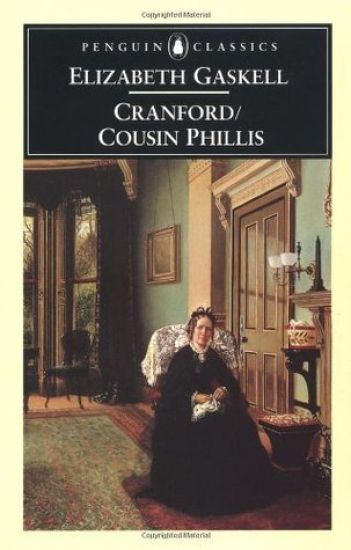
Cranford depicts the lives and preoccupations of the inhabitants of a small village - their petty snobberies and appetite for gossip, and their loyal support for each other in times of need. The village is dominated by women, from the kindly spinster Miss Matty, living in genteel poverty with her redoubtable sister, to Lady Glenmire, who shocks everyone by marrying the doctor. When men do appear, such as 'modern' Captain Brown or Matty's suitor from the past, they bring disruption and excitement to the everyday life of Cranford. This volume includes the novella Cousin Phillis, which depicts a fleeting love affair in a rural community at a time when old values are being supplanted by the new. Both works are exquisitely observed tragicomedies of human nature, told with great delicacy and affection.