Kirjojen hintavertailu – 12 903 735 kirjaa ja 27 kauppaa
Kirjailija
Elizabeth Sirimarco
Kirjat ja teokset yhdessä paikassa: 3 kirjaa, julkaisuja vuosilta 2019–2020, suosituimpiin kuuluu Historical Sources on Slavery. Vertaile teosten hintoja ja tarkista saatavuus suomalaisista kirjakaupoista.
A thorough, illustrated biography discussing Jefferson's childhood, his career, his family, and his term as the third president of the United States. Includes a table of contents, time line, phonetic glossary, sources for further research, an index, and detailed captions and sidebars to aid in comprehension.
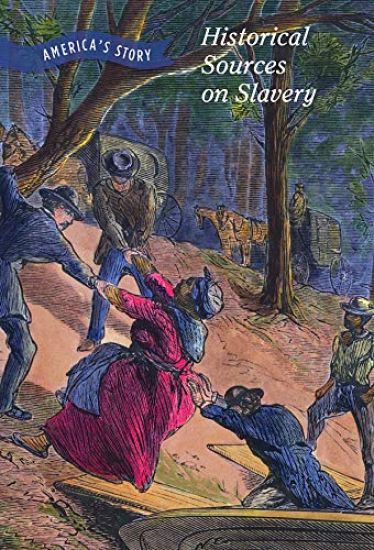
In 1619, Dutch traders sold twenty Africans to English settlers for the purposes of slave labor. By the late seventeenth century, enslaved Africans would become the primary source of labor in America, especially in the South. While the North relied more on technology after the Industrial Revolution, the Southern economy was based on agriculture. Despite the aversion of many Northerners to slavery after the American Revolution, the demand for cotton and tobacco in the North kept slavery, on which the antebellum Southern economy was based, alive. Students will read accounts about the lives of those enslaved laborers. Through primary sources, they'll also learn about the laws designed to protect the institution of slavery and how the institution was dismantled.
In 1619, Dutch traders sold twenty Africans to English settlers for the purposes of slave labor. By the late seventeenth century, enslaved Africans would become the primary source of labor in America, especially in the South. While the North relied more on technology after the Industrial Revolution, the Southern economy was based on agriculture. Despite the aversion of many Northerners to slavery after the American Revolution, the demand for cotton and tobacco in the North kept slavery, on which the antebellum Southern economy was based, alive. Students will read accounts about the lives of those enslaved laborers. Through primary sources, they'll also learn about the laws designed to protect the institution of slavery and how the institution was dismantled.