Kirjojen hintavertailu – 12 903 737 kirjaa ja 27 kauppaa
Kirjailija
Elizabeth Stuart
Kirjat ja teokset yhdessä paikassa: 7 kirjaa, julkaisuja vuosilta 1997–2023, suosituimpiin kuuluu Moments in Time. Vertaile teosten hintoja ja tarkista saatavuus suomalaisista kirjakaupoista.
I'm the kind of person who will only write when exactly the right inspiration strikes, which tends to come in whatever I'm feeling strongly about. As such, I find there's rarely much consistency in the themes of my poems, so this book is a selection of snippets, 'moments in time' if you will, that show some insight into my head and heart.
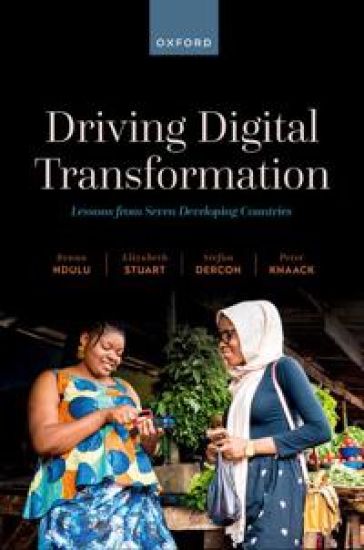
This is an open access title available under the terms of a CC BY-NC-ND 4.0 International licence. It is free to read at Oxford Scholarship Online and offered as a free PDF download from OUP and selected open access locations. In one country, the prime minister pushes for the liberalization of digital finance as a central pillar of the country's national strategy, while the central bank almost makes it a criminal offence. In another, the digital minister tries to scupper the very process to support digital transformation that the president has asked them to co-lead. This book gives a ringside seat on seven developing countries' tumultuous early steps on the path to a reform of the economy and the government using technology. Written by a group of academics and practitioners from Oxford at the heart of the process, but foregrounding the voices of the policymakers and participants, this book documents and critically assesses efforts to assist a set of governments to kick-start digital transformation. In doing so, it offers lessons for policymakers in other countries who want to pursue similar efforts. Beyond that, however, it is also an exposition of the process of policymaking more generally in the 2020s, and offers broader insight into how outsiders can play a sensible role in other reform processes in developing and emerging countries.
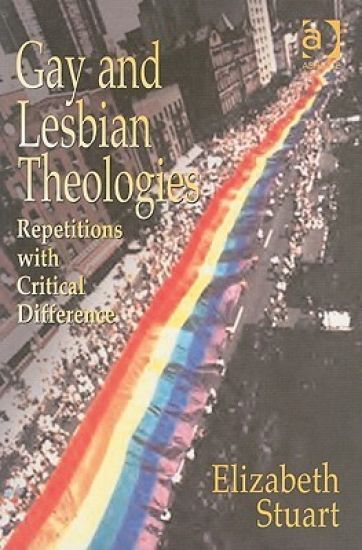
Gay and lesbian theology has been one of the most distinctive voices to have emerged in Christian theology in the last 30 years. It has placed lesbian and gay experience at the heart of the theological process. Elizabeth Stuart, one of the most prominent theologians in this field, presents the first critical survey of gay and lesbian theology arguing that its emergence was nothing short of miraculous. Gay and lesbian theologians managed to take a dominant Christian discourse which rendered them sinful, sick and harmful to the common good and transform it into a theology which argued that a person’s sexuality provided the point of contact between God and themselves. Stuart argues that, miraculous though this was, gay and lesbian theology has revealed itself to be 'bankrupt' - incapable of providing universally convincing reasons for the inclusion of lesbian and gay people and their relationships in the Church and unable to deal with the defining experience of lesbian and gay communities in the late twentieth-century - AIDS. Stuart concludes that lesbian and gay people and their opponents in the Church have too easily bought into modern constructions of sexual identity and cut themselves off from a Christian tradition which is far more ’queer’ in that it refuses to accept the stability of gender and sexual desire. Stuart argues that the only way out of the current deadlock on the issue of homosexuality in the Churches is for both sides to embrace this ancient queer tradition - a Christian tradition which teaches that in the end gender and sexual identities have no ultimate importance.
Gay and lesbian theology has been one of the most distinctive voices to have emerged in Christian theology in the last 30 years. It has placed lesbian and gay experience at the heart of the theological process. Elizabeth Stuart, one of the most prominent theologians in this field, presents the first critical survey of gay and lesbian theology arguing that its emergence was nothing short of miraculous. Gay and lesbian theologians managed to take a dominant Christian discourse which rendered them sinful, sick and harmful to the common good and transform it into a theology which argued that a person’s sexuality provided the point of contact between God and themselves. Stuart argues that, miraculous though this was, gay and lesbian theology has revealed itself to be 'bankrupt' - incapable of providing universally convincing reasons for the inclusion of lesbian and gay people and their relationships in the Church and unable to deal with the defining experience of lesbian and gay communities in the late twentieth-century - AIDS. Stuart concludes that lesbian and gay people and their opponents in the Church have too easily bought into modern constructions of sexual identity and cut themselves off from a Christian tradition which is far more ’queer’ in that it refuses to accept the stability of gender and sexual desire. Stuart argues that the only way out of the current deadlock on the issue of homosexuality in the Churches is for both sides to embrace this ancient queer tradition - a Christian tradition which teaches that in the end gender and sexual identities have no ultimate importance.
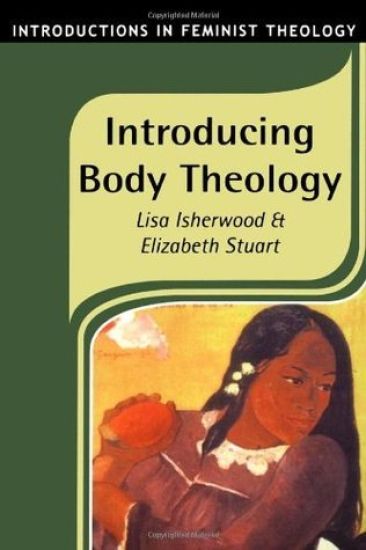
This book sets out to examine the ambigous relationship that Christianity has with the body. Incarnation is central to Christian belief but that doctrine has not encouraged a positive theology of the body. The authors explore why this has been so and examine ways in which a more bosy-positive theology can be developed using our Christian heritage. Starting from a feminist perspective they reclaim women's bodies from the embrace of patriarchy and in doing so clearly show how this reclamation challenges many systems of opression. This work illustrates that the personal is political, even in therology! Lisa Isherwood is Senior Lecturer in Theology at the University College of St Mark and St John, Plymouth. Elizabeth Stuart is Professor of Christian Theology at King Alfred's College, Winchester.
Deals with what Christian Churches are saying now and have said in the past about sex. It provides a basic theological resource for those who want to explore issues around sex and sexuality from a Christian point of view but feel they need to acquire a broader, more informal perspective on the historical background and the contemporary developments