Kirjailija
Elizabeth Wallace
Kirjat ja teokset yhdessä paikassa: 16 kirjaa, julkaisuja vuosilta 2003–2026, suosituimpiin kuuluu The Golden Thread Tree. Vertaile teosten hintoja ja tarkista saatavuus suomalaisista kirjakaupoista.
16 kirjaa
Kirjojen julkaisuvuodet: 2003–2026.


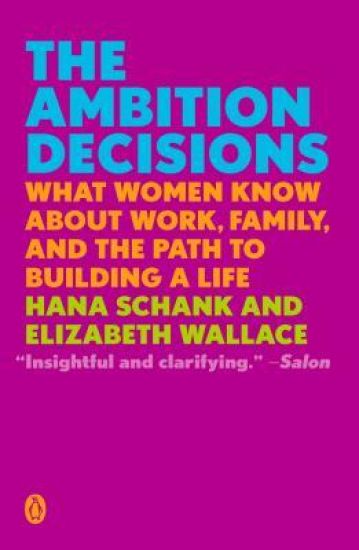
Over the last sixty years, women's lives have transformed radically from generation to generation. Without a template to follow women make important decisions blindly, groping for a way forward, winging it, and hoping it all works out. As they faced unexpectedly fraught decisions about their own lives, journalists Hana Schank and Elizabeth Wallace found themselves wondering about the women they'd graduated alongside. What happened to these women who seemed set to reap the rewards of second-wave feminism, on the brink of taking over the world? So they tracked down their classmates and, over several hundred hours of interviews, gathered and mapped data about real women's lives that has been missing from our conversations about women and the workplace.
The Constitution of the Argentine Republic. the Constitution of the United States of Brazil, with Historical Introduction and Notes
Elizabeth Wallace
Palala Press
2016
sidottu
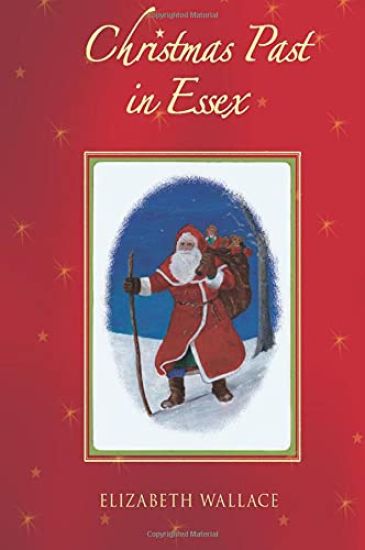
Containing several stories about the people of Essex, this book offers an insight into different people's lives at Christmastime. It includes several sketches and photographs of the people and their lives.
How does a contemporary society restore to its public memory a momentous event like its own participation in transatlantic slavery? What are the stakes of once more restoring the slave trade to public memory? What can be learned from this history? Elizabeth Kowaleski Wallace explores these questions in her study of depictions and remembrances of British involvement in the slave trade. Skillfully incorporating a range of material, Wallace discusses and analyzes how museum exhibits, novels, television shows, movies, and a play created and produced in Britain from 1990 to 2000 grappled with the subject of slavery. Topics discussed include a walking tour in the former slave-trading port of Bristol; novels by Caryl Phillips and Barry Unsworth; a television adaptation of Jane Austen's Mansfield Park; and a revival of Aphra Behn's Oroonoko for the Royal Shakespeare Company. In each case, Wallace reveals how these works and performances illuminate and obscure the history of the slave trade and its legacy. While Wallace focuses on Britain, her work also speaks to questions of how the United States and other nations remember inglorious chapters from their past.
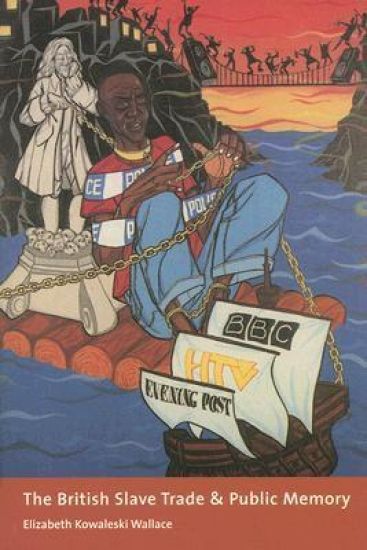
How does a contemporary society restore to its public memory a momentous event like its own participation in transatlantic slavery? What are the stakes of once more restoring the slave trade to public memory? What can be learned from this history? Elizabeth Kowaleski Wallace explores these questions in her study of depictions and remembrances of British involvement in the slave trade. Skillfully incorporating a range of material, Wallace discusses and analyzes how museum exhibits, novels, television shows, movies, and a play created and produced in Britain from 1990 to 2000 grappled with the subject of slavery. Topics discussed include a walking tour in the former slave-trading port of Bristol; novels by Caryl Phillips and Barry Unsworth; a television adaptation of Jane Austen's Mansfield Park; and a revival of Aphra Behn's Oroonoko for the Royal Shakespeare Company. In each case, Wallace reveals how these works and performances illuminate and obscure the history of the slave trade and its legacy. While Wallace focuses on Britain, her work also speaks to questions of how the United States and other nations remember inglorious chapters from their past.