Kirjojen hintavertailu – 12 859 818 kirjaa ja 27 kauppaa
Kirjailija
Ellen Hillbom
Kirjat ja teokset yhdessä paikassa: 5 kirjaa, julkaisuja vuosilta 2018–2026, suosituimpiin kuuluu Vad är ekonomisk historia?. Vertaile teosten hintoja ja tarkista saatavuus suomalaisista kirjakaupoista.
Lena Andersson-Skog; Oskar Broberg; Rodney Edvinsson; Kerstin Enflo; Kristina Lilja; Lars Ahnland; Lars Fredrik Andersson; Erik Bengtsson; Martin Dribe; Susanna Fellman; Ellen Hillbom; Ann Ighe; Astrid Kander; Tobias Karlsson; Magnus Lindmark; Malin Nilsson; Jan Ottosson; Svante Prado; Paulina Rytkönen; Klas Rönnbäck; Maria Stanfors; Jonathan Svanlund; Anna Tegunimataka; Daniel Waldenström; Anders Ögren
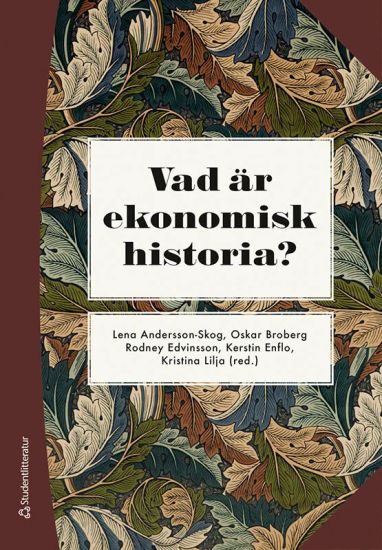
Boken är ett unikt nationellt projekt genom dess representation av författare från samtliga svenska lärosäten som undervisar i ekonomisk historia på alla utbildningsnivåer. Bokens 25 författare är också aktiva forskare och bidragen bygger på en stor samlad erfarenhet av aktuell svensk och internationell forskning inom ämnet. Vad är ekonomisk historia? är en introducerande lärobok i ekonomisk historia som syftar till att väcka nyfikenhet för ämnet, samt visa på dess möjligheter som akademisk disciplin och tillämpad samhällsvetenskap. Boken visar hur ekonomisk-historiska perspektiv, teorier och metoder kan användas för att analysera olika utvecklingsförlopp med avgörande betydelse för samhällsutvecklingen då som nu. Genom att använda olika verktyg ur de historiska och ekonomiska verktygslådorna vänder och vrider forskare inom ekonomisk historia på begrepp som tillväxt, industrialisering, resursfördelning, kapital och arbete. På detta sätt bidrar ämnet till vår förståelse av mänsklighetens långa historia, samtidigt som det också bidrar med nya perspektiv på vår egen samtid. Vad är ekonomisk historia? består av 13 kapitel, de tre första kapitlen behandlar ämnets historia, teorier och metoder. De därpå följande kapitlen lyfter ett urval av de frågor som ekonomhistoriker arbetar med. Boken vänder sig främst till universitets- och högskolestudenter på grundläggande nivå och fungerar utmärkt som en introduktion till ämnet.
Lena Andersson-Skog; Oskar Broberg; Rodney Edvinsson; Kerstin Enflo; Kristina Lilja; Lars Ahnland; Lars Fredrik Andersson; Erik Bengtsson; Martin Dribe; Susanna Fellman; Ellen Hillbom; Ann Ighe; Astrid Kander; Tobias Karlsson; Magnus Lindmark; Malin Nilsson; Jan Ottosson; Svante Prado; Paulina Rytkönen; Klas Rönnbäck; Maria Stanfors; Jonathan Svanlund; Anna Tegunimataka; Daniel Waldenström; Anders Ögren
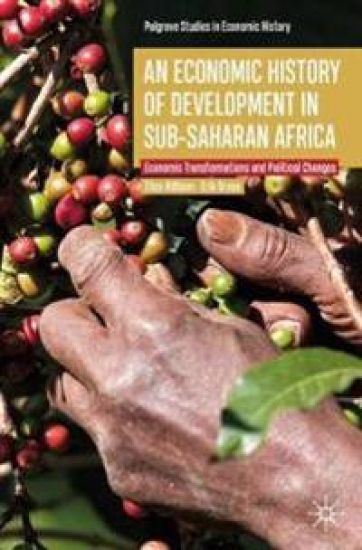
‘This is a desperately needed book. It not only surveys the field of African economic history at the level of undergraduate students, but provides several fresh perspectives, drawing on insights from the latest research on the evolution of African societies and their economic prosperity. This valuable source of teaching material will be the premier text on African economic history for at least the next decade.’—Johan Fourie, Stellenbosch University, South Africa This upper level textbook offers a historical understanding of sub-Saharan Africa. By looking at the economic history of the African region from before the arrival of European territorial control all the way through to Africa’s integration in the current era of globalisation, readers can understand the development paths for African countries today. Organisation of production, social structures, trade, and governance are key factors in the discussion about African success stories and failures. Suitable reading for upper level undergraduates, MSc and postgraduate students, in addition to policy makers and development practitioners looking for a comprehensive overview of Africa from an economic and social perspective. Hillbom and Green also provide a starting point for the study of African economic history for those who would like to continue their own research in this area.
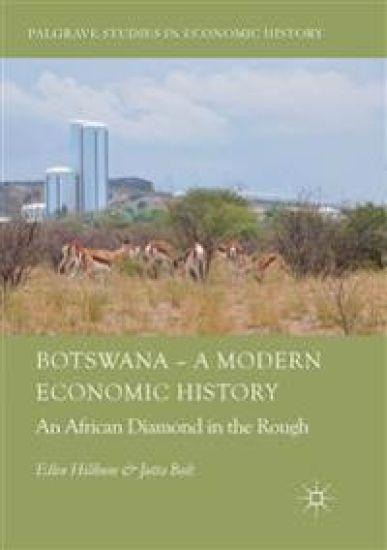
Together with Mauritius, Botswana is often categorized as one of two growth miracles in sub-Saharan Africa. Due to its spectacular long-run economic performance and impressive social development, it has been termed both an economic success story and a developmental state. While there is uniqueness in the Botswana experience, several aspects of the country’s opportunities and challenges are of a more general nature. Throughout its history, Botswana has been both blessed and hindered by its natural resource abundance and dependency, which have influenced growth periods, opportunities for economic diversification, strategies for sustainable economic and social development, and the distribution of incomes and opportunities. Through a political economy framework, Hillbom and Bolt provide an updated understanding of an African success story, covering the period from the mid-19th century, when the Tswana groups settled, to the present day. Understanding the interaction over time between geography and factor endowments on the one hand, and the development of economic and political institutions on the other, offers principle lessons from Botswana’s experience to other natural resource rich developing countries.