Kirjailija
Emile Gaboriau
Kirjat ja teokset yhdessä paikassa: 604 kirjaa, julkaisuja vuosilta 2004–2026, suosituimpiin kuuluu Monsieur Lecoq. Vertaile teosten hintoja ja tarkista saatavuus suomalaisista kirjakaupoista.
Nimi esiintyy myös muodoissa: Émile Gaboriau
604 kirjaa
Kirjojen julkaisuvuodet: 2004–2026.
Emile Gaboriau (1833-1873) is an important figure in the history of detective fiction. A French journalist and novelist, he created the "roman policier" with a series of books involving private detective Monsieur Lecoq, who works logically. Lecoq was based on a real-life thief turned policeman named Francois Vidocq (1775-1857), whose memoirs mixed fiction and fact. Gaboriau's huge following was eclipsed by Arthur Conan Doyle's Sherlock Holmes. Interestingly, Holmes may have been at least partly based on another of Gaboriau's characters, consulting detective Father Tabaret, whose methods Monsieur Lecoq adopts in the first Lecoq book.
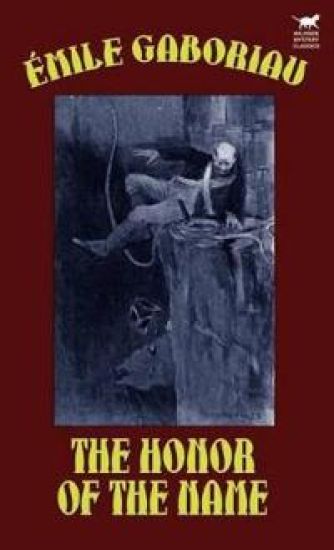
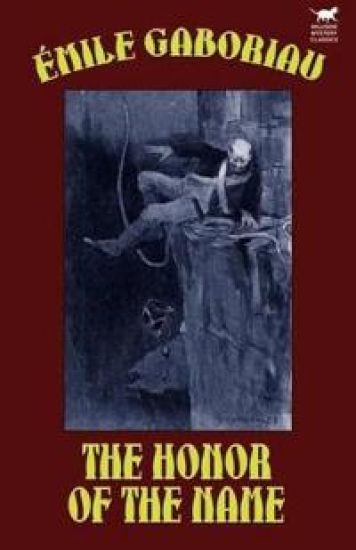
Reproduction de l'original. La maison d' dition Megali se sp cialise dans la reproduction d'oeuvres historiques en gros caract res afin de faciliter la lecture aux personnes dont la vue est r duite.
"The Honor of the Name" by Emile Gaboriau is a captivating mystery novel that delves into the intricate web of honor, betrayal, and justice within the context of French literature. Gaboriau's novel follows a gripping narrative centered around a detective's quest to unravel the secrets and intrigues surrounding a family's honor. Set against the backdrop of France, the story unfolds with meticulous detail, drawing readers into a world of suspense and psychological depth. As the detective delves deeper into the case, he uncovers layers of deception and familial secrets, leading to shocking revelations and unexpected twists. Through skillful character development and compelling storytelling, Gaboriau explores themes of honor and loyalty, highlighting the complex dynamics within the family unit. As the mystery unravels, readers are kept on the edge of their seats, eagerly anticipating the resolution of the case and the deliverance of justice. With its richly textured plot and evocative prose, "The Honor of the Name" stands as a classic example of French literature, offering readers a captivating journey through the complexities of human nature and the pursuit of truth and honor.
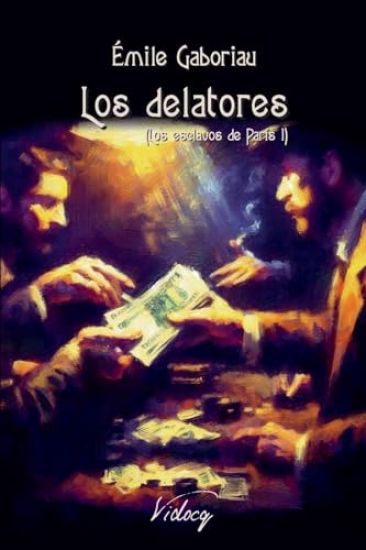
Tres hombres dirigen en la sombra una inquietante sociedad criminal. El agente de empleo Mascarot, el m dico home pata Hortebize y el abogado Catenac recopilan met dicamente los secretos m s vergonzosos de la alta sociedad parisina. Gracias a la ayuda de un buen n mero de c mplices de lo m s pintoresco, ninguna duquesa, ning n conde y ning n millonario pueden sentirse a salvo de sus garras, en un mundo donde no todo es lo que parece... mile Gaboriau (1832-1873) fue un escritor y periodista franc s, considerado uno de los padres del g nero de la novela polic aca. Nacido en la localidad francesa de Saujon, estudi derecho en Par s antes de dedicarse a la escritura. Su primer xito literario lleg con la publicaci n de su novela El proceso Lerouge en 1866, que introdujo al personaje del polic a Lecoq, su detective de cabecera en muchas m s obras, y estableci muchos de los elementos que se han convertido en cl sicos del g nero de la novela de misterio.
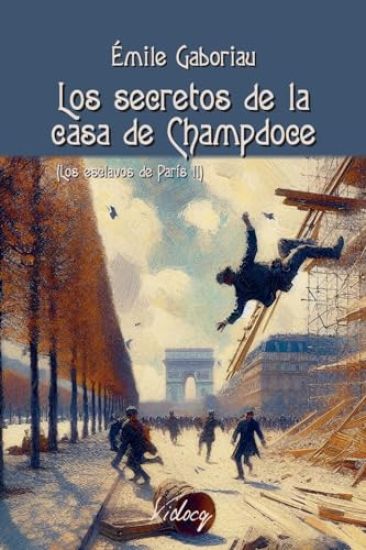
La ejecuci n del plan maquiav lico ideado por los tres criminales, Mascarot, Hortebize y Catenac, avanza sin contratiempos y parece que nada m s que un milagro podr impedir la cat strofe. Con la minuciosidad y precisi n de un orfebre, el lazo se estrecha sobre las v ctimas que, imperceptiblemente y en la m s perfecta ignorancia, parecen encaminarse al desastre. Solo el genio de Lecoq podr hallar algo de luz entre tanta oscuridad... mile Gaboriau (1832-1873) fue un escritor y periodista franc s, considerado uno de los padres del g nero de la novela polic aca. Nacido en la localidad francesa de Saujon, estudi derecho en Par s antes de dedicarse a la escritura. Su primer xito literario lleg con la publicaci n de su novela El proceso Lerouge en 1866, que introdujo al personaje del polic a Lecoq, su detective de cabecera en muchas m s obras, y estableci muchos de los elementos que se han convertido en cl sicos del g nero de la novela de misterio.
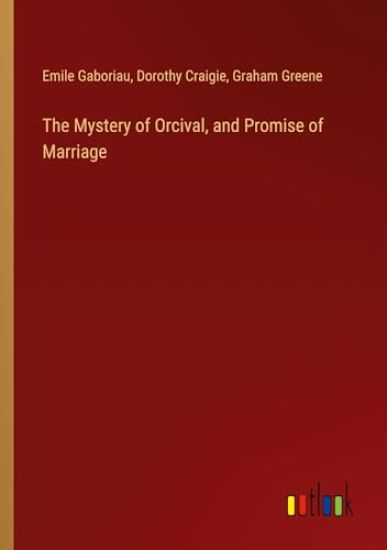
The Mystery of Orcival, and Promise of Marriage
Emile Gaboriau; Dorothy Craigie; Graham Greene
Outlook Verlag
2024
pokkari
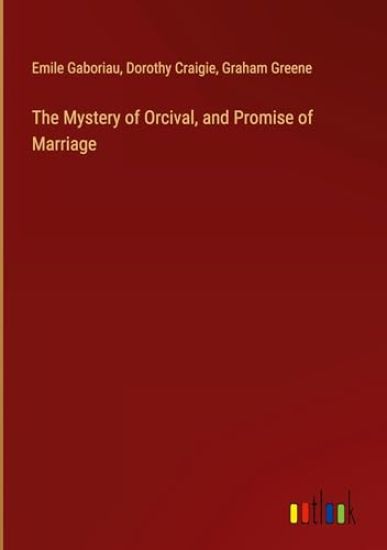
The Mystery of Orcival, and Promise of Marriage
Emile Gaboriau; Dorothy Craigie; Graham Greene
Outlook Verlag
2024
sidottu