Cubism and the Trompe l'Oeil Tradition
Emily Braun; Elizabeth Cowling
Metropolitan Museum of Art
2022
sidottu
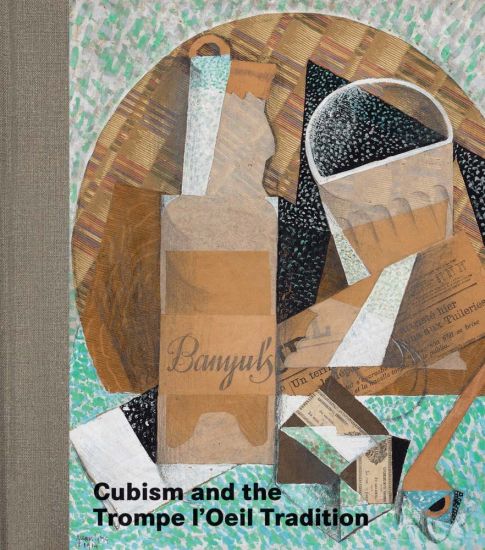
A pioneering study of how Picasso, Braque, and Gris engaged with the pictorial tradition of illusion and deception in their influential Cubist works The age-old tradition of pictorial illusionism, known as trompe l’oeil (“deceive the eye”), employs visual tricks that confound the viewer’s perception of reality and fiction, truth and falsehood. This radically new take on Cubism shows how Pablo Picasso, Georges Braque, and Juan Gris both parodied and paid homage to classic trompe l’oeil themes and motifs with wit and invention. More than one hundred illustrated works juxtapose Cubist paintings, drawings, and collages with related compositions by the old masters. Essays based on new research explore connections between the Cubists and the trompe l’oeil specialists of earlier centuries and their games of creative one-upmanship. The informed and engaging texts trace the changing status of trompe l’oeil over the centuries, reveal Braque’s training in artisanal trompe l’oeil techniques as an integral part of his Cubist practice, examine the materials used in Gris’s collages, and discuss the previously unstudied trompe l’oeil iconography within Cubist still lifes—including newspapers, word puns, pictures-within-pictures, imitation wood grain, and tools of the trade. Published by The Metropolitan Museum of Art/Distributed by Yale University PressExhibition Schedule:The Metropolitan Museum of Art, New York (October 20, 2022–January 22, 2023)