Kirjojen hintavertailu – 12 903 725 kirjaa ja 27 kauppaa

Kirjailija

Emily Morgan

Kirjat ja teokset yhdessä paikassa: 32 kirjaa, julkaisuja vuosilta 2007–2026, suosituimpiin kuuluu Picture-Perfect Lecciones de Ciencia. Vertaile teosten hintoja ja tarkista saatavuus suomalaisista kirjakaupoista.

32 kirjaa

Kirjojen julkaisuvuodet: 2007–2026.

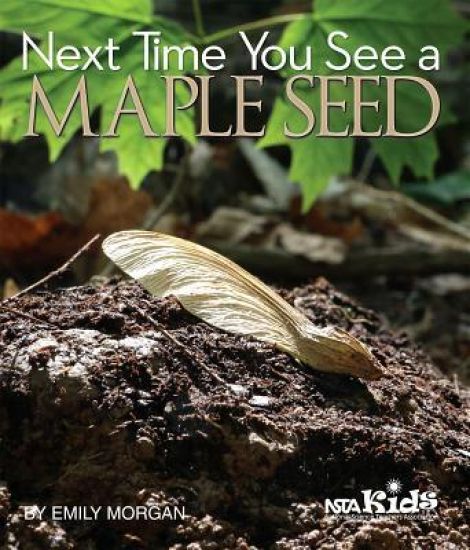
Next Time You See a Maple Seed

Next Time You See a Maple Seed

Emily Morgan

National Science Teachers Association
2014
nidottu
2015 REVERE Award Finalist, PreK-12 Learning Group, Association of American Publishers! A 2015 Outstanding Science Trade Book for Students K-12! It’s fun to toss maple seeds up in the air and watch them spin down to the ground like nature’s own helicopters. This book prompts inquisitive kids to learn about these marvels of aerial engineering, including their real name (no, not whirlybird), the work they do for maple trees, and how to uncover the little trees waiting to sprout from the seeds. Next Time You See a Maple Seed is a mini class in how tall trees grow from these tiny, twirling winged fruits. Awaken a sense of wonder in a child with the Next Time You See series from NSTA Kids. The books will inspire elementary-age children to experience the enchantment of everyday phenomena, such as maple seeds, Moon phases, pill bugs, fireflies, seashells, and sunsets. Free supplementary activities are available on the NSTA website.
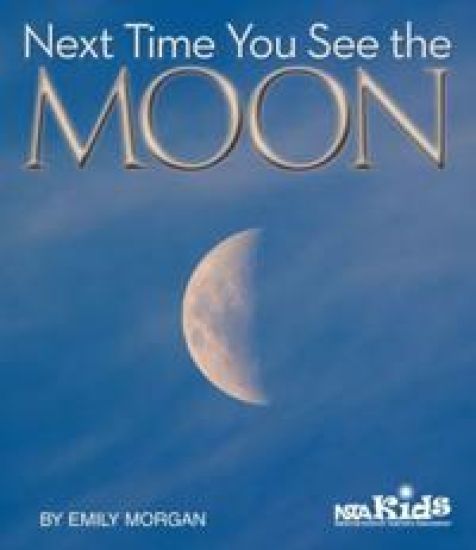
Next Time You See the Moon

Next Time You See the Moon

Emily Morgan

National Science Teachers Association
2014
nidottu
This fascinating book will stay with children every time they gaze up at the night sky. Through vivid pictures and engaging explanations, children will learn about many of the Moon’s mysteries: what makes it look like a silvery crescent one time and a chalk-white ball a few nights later, why it sometimes appears in the daytime, where it gets its light, and how scientists can predict its shape on your birthday a thousand years from now. Next Time You See the Moon is an ideal way to explain the science behind the shape of the Moon and bring about an evening outing no child - or grown-up - will soon forget. Awaken a sense of wonder in a child with the Next Time You See series from NSTA Kids. The books will inspire elementary-age children to experience the enchantment of everyday phenomena such as sunsets, seashells, fireflies, pill bugs, and more. Free supplementary activities are available on the NSTA website. Especially designed to be experienced with an adult - be it a parent, teacher, or friend - Next Time You See books serve as a reminder that you don’t have to look far to find something remarkable in nature.
Next Time You See a Firefly

Next Time You See a Firefly

Emily Morgan

National Science Teachers Association
2013
sidottu
A 2014 Outstanding Science Trade Book for Students K-12 Every summer children enjoy watching fireflies twinkling in the twilight, but after reading this book, they'll see the insects with new eyes. Share Next Time You See a Firefly with a child. Discover why fireflies flash and how they live secret lives underground before coming out to fill the evening with their glimmers of light. Together you'll also realize that if you catch fireflies, you must let them go: Fireflies have a lot to do Awaken a sense of wonder in a child with the Next Time You See series from NSTA Kids. The books will inspire elementary-age children to experience the enchantment of everyday phenomena such as insects, seashells, and sunsets. Free supplementary activities are available on the NSTA website. Especially designed to be experienced with an adult--be it a parent, teacher, or friend--Next Time You See books serve as a reminder that you don't have to look far to find something remarkable in nature.
Next Time You See a Firefly

Next Time You See a Firefly

Emily Morgan

National Science Teachers Association
2013
nidottu
Every summer children enjoy watching fireflies twinkling in the twilight, but after reading this book, they’ll see the insects with new eyes. Share Next Time You See a Firefly with a child. Discover why fireflies flash and how they live secret lives underground before coming out to fill the evening with their glimmers of light. Together you’ll also realise that if you catch fireflies, you must let them go: Fireflies have a lot to do! Awaken a sense of wonder in a child with the Next Time You See series from NSTA Kids. The books will inspire elementary-age children to experience the enchantment of everyday phenomena such as insects, seashells, and sunsets. Free supplementary activities are available on the NSTA website. Especially designed to be experienced with an adult—be it a parent, teacher, or friend—Next Time You See books serve as a reminder that you don’t have to look far to find something remarkable in nature.
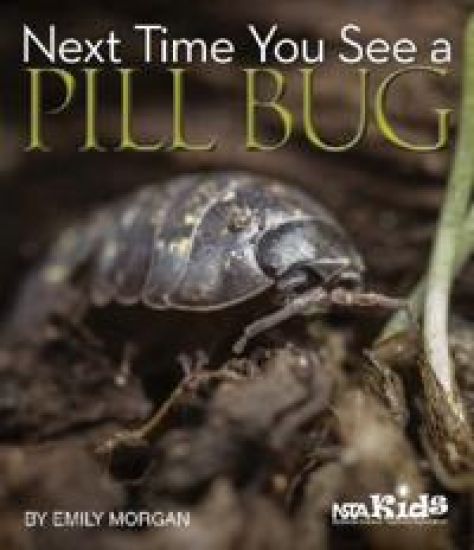
Next Time You See a Pill Bug

Next Time You See a Pill Bug

Emily Morgan

National Science Teachers Association
2013
nidottu
Chances are that just under a nearby rock, you’ll spot a roly-poly pill bug (woodlouse). Encourage a child to take a close look, and introduce a fascinating creature. Gently pick it up and watch as it rolls into a ball and unrolls to take a walk. This cousin to lobsters and crabs sheds its crusty skin and will tickle your hand with its 14 (count ’em!) wiggly legs. Awaken a sense of wonder in a child with the Next Time You See series from NSTA Kids. The books will inspire elementary-age children to experience the enchantment of everyday phenomena, such as pill bugs, fireflies, seashells, and sunsets. Free supplementary activities are available on the NSTA website. Especially designed to be experienced with an adult—be it a parent, teacher, or friend—Next Time You See books serve as a reminder that you don’t have to look far to find something remarkable in nature.
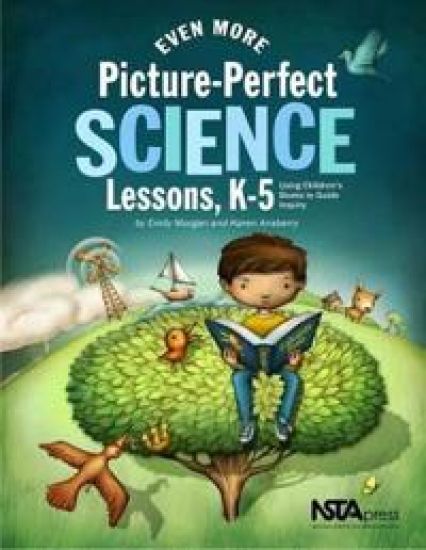
Even More Picture-Perfect Science Lessons

Even More Picture-Perfect Science Lessons

Emily Morgan; Karen Ansberry

National Science Teachers Association
2013
nidottu
Since the debut of the Picture-Perfect Science books and workshops more than 10 years ago, authors Emily Morgan and Karen Ansberry have learned one thing for certain: Elementary school teachers are constantly clamouring for even more ways to engage children in reading and science through picture books! To meet that demand, the 15 all-new lessons in Even More Picture-Perfect Science Lessons bring you: Even more convenience: You can cover reading and science content simultaneously and save time with ready-to-use student pages and assessments. Even more confidence in your own expertise: You get relevant science concepts and reading comprehension strategies to keep your teaching on track. Even more ways to entice even reading-phobic children: Each lesson makes students yearn to learn science from such captivating fiction and nonfiction picture books as Houdini the Amazing Caterpillar; Captain Kidd’s Crew Experiments With Sinking and Floating; and The Boy Who Harnessed the Wind. Plus: This latest volume even connects the lessons to A Framework for K–12 Science Education and the English Language Arts and Literacy Common Core State Standards. Just as teachers like you have been hoping, Even More Picture-Perfect Science Lessons delivers the whole package: teacher-friendly lessons, strong standards-based science content, and a kid-magnet formula that will get your students engrossed in science while they improve their reading skills.
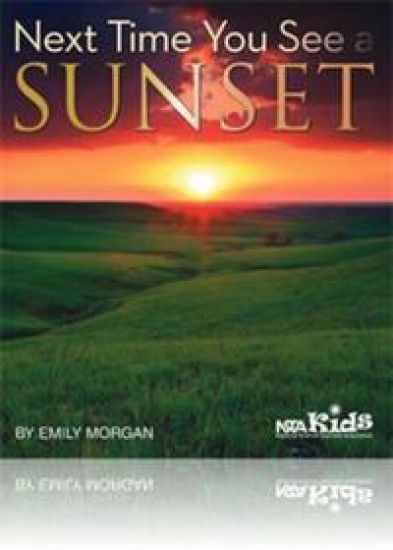
Next Time You See a Sunset

Next Time You See a Sunset

Emily Morgan

National Science Teachers Association
2012
nidottu
This book’s tempting opening line invites children and adults to take in a daily phenomenon with fresh eyes. By reading Next Time You See a Sunset together, you can learn to appreciate the spinning of the Earth, the progress of day into night, and the reasons for the spectacular colours and shadows that accompany sunrise and sunset. Awaken a sense of wonder in a child with the Next Time You Seeseries from NSTA Kids. The books will inspire elementary-age children to experience the enchantment of everyday phenomena such as seashells and sunsets. Free supplementary activities are available on the NSTA website. Especially designed to be experienced with an adult—be it a parent, teacher, or friend—Next Time You See books serve as a reminder that you don’t have to look far to find something remarkable in nature.
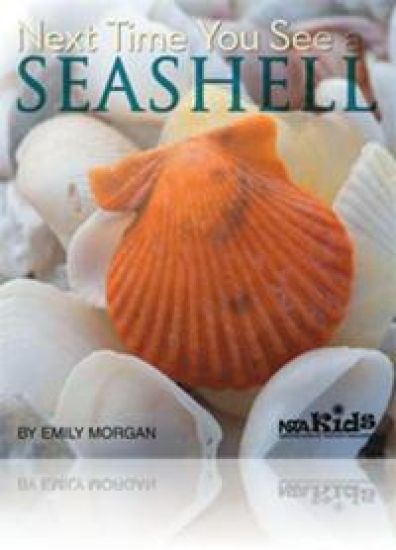
Next Time You See a Seashell

Next Time You See a Seashell

Emily Morgan

National Science Teachers Association
2012
nidottu
This book tells the amazing story behind seashells: how they are made by molluscs, used for protection and camouflage, and full of clues about all they’ve been through. Inspired by Next Time You See a Seashell, young readers will find these intricate objects even more fascinating when they discover their origins in slimy, snaily creatures. Awaken a sense of wonder in a child with the Next Time You See series from NSTA Kids. The books will inspire elementary-age children to experience the enchantment of everyday phenomena such as seashells and sunsets. Free supplementary activities are available on the NSTA website. Especially designed to be experienced with an adult—be it a parent, teacher, or friend—Next Time You See books serve as a reminder that you don’t have to look far to find something remarkable in nature.
Teaching Science Through Trade Books

Teaching Science Through Trade Books

Christine Anne Royce; Karen Ansberry; Emily Morgan

National Science Teachers Association
2012
nidottu
What was your favourite book as a child? In more than 10 years of facilitating workshops, we have never heard anyone reply, My fourth-grade science textbook. Clearly, textbooks have an important place in the science classroom, but using trade books to supplement a textbook can greatly enrich students experience. from Teaching Science Through Trade Books If you like the popular Teaching Science Through Trade Books columns in NSTA s journal Science and Children, or if you’ve become enamoured of the award-winning Picture-Perfect Science Lessons series, you ll love this new collection. It s based on the same time-saving concept: By using children s books to pique students interest, you can combine science teaching with reading instruction in an engaging and effective way. In this volume, column authors Christine Royce, Karen Ansberry, and Emily Morgan selected 50 of their favorites, updated the lessons, and added student activity pages, making it easier than ever to teach fundamental science concepts through high-quality fiction and nonfiction children s books. Just as with the original columns, each lesson highlights two trade books and offers two targeted activities, one for K 3 and one for grades 4 6. All activities are Standards-based and inquiry-oriented. From Measuring Penny and How Tall, How Short, How Far Away? to I Took a Walk and Secret Place, the featured books will help your students put science in a whole new context. Teaching Science Through Trade Books offers an ideal way to combine well-structured, ready-to-teach lessons with strong curricular connections and books your students just may remember, always.
Picture-Perfect Science Lessons

Picture-Perfect Science Lessons

Karen Ansberry; Emily Morgan

National Science Teachers Association
2010
nidottu
This newly revised and expanded 2nd edition of Picture-Perfect Science Lessons manages to surpass the original. Picture-Perfect Science Lessons draws on diverse and engaging books. You’ll love how effective this book is, and your students will love learning about science.
More Picture-Perfect Science Lessons

More Picture-Perfect Science Lessons

Karen Ansberry; Emily Morgan

National Science Teachers Association
2007
nidottu
Titles included in the set (just to name a few) are: Pop! A Book About Bubbles; How Big Is a Foot?; How Tall How Short; Hear Your Heart; The Busy Body Book; Lucas and His Loco Beans; Diary of a Worm; Wiggling Worms at Work; Over in the Ocean; Coral Reef Animals; Our Tree Named Steve;