Kirjojen hintavertailu – 12 903 725 kirjaa ja 27 kauppaa

Kirjailija

Emily O'Gorman

Kirjat ja teokset yhdessä paikassa: 5 kirjaa, julkaisuja vuosilta 2014–2024, suosituimpiin kuuluu Climate, Science, and Colonization. Vertaile teosten hintoja ja tarkista saatavuus suomalaisista kirjakaupoista.

5 kirjaa

Kirjojen julkaisuvuodet: 2014–2024.

Wetlands in a Dry Land

Wetlands in a Dry Land

Emily O'Gorman

MELBOURNE UNIVERSITY PRESS
2024
pokkari
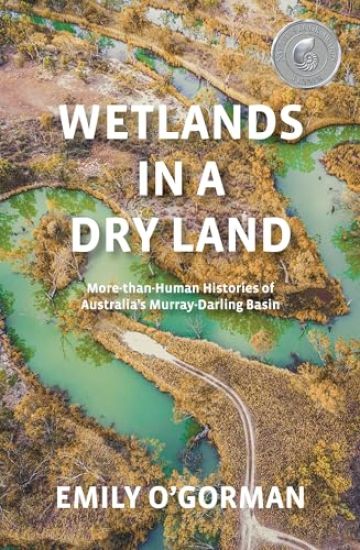
What counts as a wetland, especially in Australia, the driest inhabited continent on earth? In the name of agriculture, urban growth and disease control, humans have drained, filled or otherwise destroyed nearly 87 percent of the world's wetlands over the past three centuries. Only recently have wetlands been widely recognised as worth preserving for their diverse plants, animals, insects, and their human histories. Examining Australia's own Murray-Darling Basin, environmental historian Emily O'Gorman shows how people and animals have shaped wetlands since the late nineteenth century. O'Gorman draws on archival research and original interviews to illuminate how Aboriginal peoples acted then and now as custodians of the landscape, how the movements of water birds affected farmers and how mosquitoes have defied efforts to fully understand, let alone control, them. Situating Australia's history within global environmental humanities conversations, O'Gorman argues that we need to understand wetlands as socioecological landscapes that transcend the nature-culture divide and to embrace non-Western ways of knowing and being. Only then can we begin to create sustainable relationships with, and futures for, the wetlands.
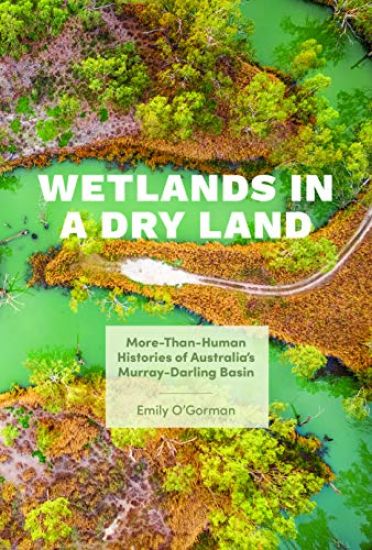
Wetlands in a Dry Land

Wetlands in a Dry Land

Emily O'Gorman; Paul S. Sutter

University of Washington Press
2021
sidottu
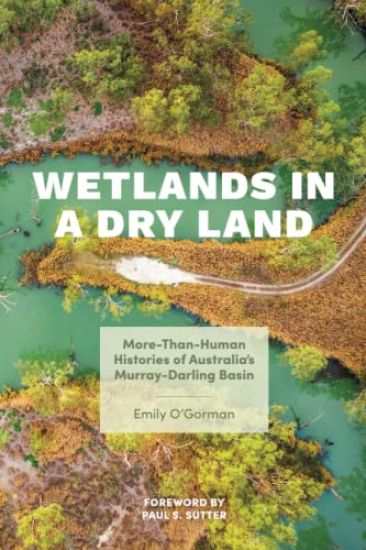
Winner of the Inaugural Book Prize from the Australia & Aotearoa New Zealand Environmental History NetworkA compelling environmental history of a critical ecosystem under threatIn the name of agriculture, urban growth, and disease control, humans have drained, filled, or otherwise destroyed nearly 87 percent of the world's wetlands over the past three centuries. Unintended consequences include biodiversity loss, poor water quality, and the erosion of cultural sites, and only in the past few decades have wetlands been widely recognized as worth preserving. Emily O'Gorman asks, What has counted as a wetland, for whom, and with what consequences? Using the Murray-Darling Basin—a massive river system in eastern Australia that includes over 30,000 wetland areas—as a case study and drawing on archival research and original interviews, O'Gorman examines how people and animals have shaped wetlands from the late nineteenth century to today. She illuminates deeper dynamics by relating how Aboriginal peoples acted then and now as custodians of the landscape, despite the policies of the Australian government; how the movements of water birds affected farmers; and how mosquitoes have defied efforts to fully understand, let alone control, them. Situating the region's history within global environmental humanities conversations, O'Gorman argues that we need to understand wetlands as socioecological landscapes in order to create new kinds of relationships with and futures for these places.
Wetlands in a Dry Land

Wetlands in a Dry Land

Emily O'Gorman; Paul S. Sutter

University of Washington Press
2021
pokkari
Winner of the Inaugural Book Prize from the Australia & Aotearoa New Zealand Environmental History NetworkA compelling environmental history of a critical ecosystem under threatIn the name of agriculture, urban growth, and disease control, humans have drained, filled, or otherwise destroyed nearly 87 percent of the world's wetlands over the past three centuries. Unintended consequences include biodiversity loss, poor water quality, and the erosion of cultural sites, and only in the past few decades have wetlands been widely recognized as worth preserving. Emily O'Gorman asks, What has counted as a wetland, for whom, and with what consequences? Using the Murray-Darling Basin—a massive river system in eastern Australia that includes over 30,000 wetland areas—as a case study and drawing on archival research and original interviews, O'Gorman examines how people and animals have shaped wetlands from the late nineteenth century to today. She illuminates deeper dynamics by relating how Aboriginal peoples acted then and now as custodians of the landscape, despite the policies of the Australian government; how the movements of water birds affected farmers; and how mosquitoes have defied efforts to fully understand, let alone control, them. Situating the region's history within global environmental humanities conversations, O'Gorman argues that we need to understand wetlands as socioecological landscapes in order to create new kinds of relationships with and futures for these places.
Climate, Science, and Colonization

Climate, Science, and Colonization

Emily O'Gorman; Matthew Henry

Palgrave Macmillan
2014
sidottu
Offering new historical understandings of human responses to climate and climate change, this cutting-edge volume explores the dynamic relationship between settlement, climate, and colonization, covering everything from the physical impact of climate on agriculture and land development to the development of "folk" and government meteorologies.
Climate, Science, and Colonization

Climate, Science, and Colonization

Emily O'Gorman; Matthew Henry

Palgrave Macmillan
2014
nidottu
Offering new historical understandings of human responses to climate and climate change, this cutting-edge volume explores the dynamic relationship between settlement, climate, and colonization, covering everything from the physical impact of climate on agriculture and land development to the development of "folk" and government meteorologies.