
Kirjojen hintavertailu – 12 859 818 kirjaa ja 27 kauppaa

Kirjailija

Emine Fetvaci

Kirjat ja teokset yhdessä paikassa: 2 kirjaa, julkaisuja vuosilta 2020–2023, suosituimpiin kuuluu Melchior Lorck. Vertaile teosten hintoja ja tarkista saatavuus suomalaisista kirjakaupoista.

2 kirjaa

Kirjojen julkaisuvuodet: 2020–2023.

Melchior Lorck

Melchior Lorck

Mikael Bøgh Rasmussen; Hanne Kolind Poulsen; Ernst Jonas Bencard; Robyn Dora Radway; Jan Loop; Çigdem Kafescioglu; Emine Fetvaci

SMK Forlag
2023
nidottu
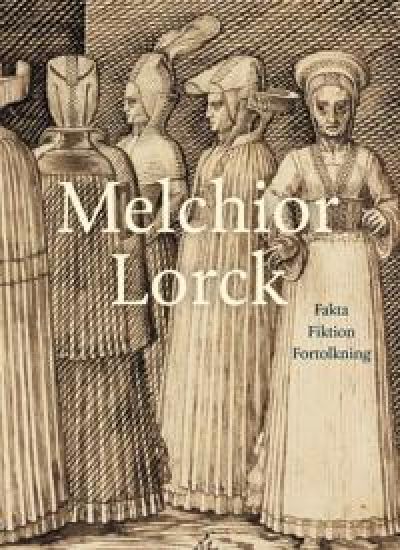
Melchior Lorcks værker fascinerer. De har en særlig forførende karakter ikke ulig nutidens reklamer. Vi betages af deres gennemførte kompositioner, deres klarhed, enkelhed og håndværksmæssige niveau – deres billedkraft. Melchior Lorck levede fra 1526/27 til engang efter 1583 og er i dag relativt ukendt. Hvem var han? Og hvad ville hans værker? Lorck var frem for alt grafiker og ville udgive store, illustrerede bogværker. Ingen af dem blev dog færdige, og derfor kender vi kun til en begrænset del af hans ambitiøse, kunstneriske projekt. Dets fulde omfang og endelige udtryk kan vi kun forestille os. Trods dette står et fascinerende livsværk tilbage. Forskningen i Lorcks værker har været begrænset i forhold til, hvor internationalt banebrydende en kunstner han var. Denne bogs syv artikler præsenterer ny forskning, der belyser nye aspekter af Lorcks værk og foreslår nye forståelser og tolkninger af det.

The Album of the World Emperor

The Album of the World Emperor

Emine Fetvaci

PRINCETON UNIVERSITY PRESS
2020
sidottu
The first study of album-making in the Ottoman empire during the seventeenth century, demonstrating the period’s experimentation, eclecticism, and global outlookThe Album of the World Emperor examines an extraordinary piece of art: an album of paintings, drawings, calligraphy, and European prints compiled for the Ottoman sultan Ahmed I (r. 1603–17) by his courtier Kalender Pasa (d. 1616). In this detailed study of one of the most important works of seventeenth-century Ottoman art, Emine Fetvaci uses the album to explore questions of style, iconography, foreign inspiration, and the very meaning of the visual arts in the Islamic world. The album’s thirty-two folios feature artworks that range from intricate paper cutouts to the earliest examples of Islamic genre painting, and contents as eclectic as Persian and Persian-influenced calligraphy, studies of men and women of different ethnicities and backgrounds, depictions of popular entertainment and urban life, and European prints depicting Christ on the cross that in turn served as models for apocalyptic Ottoman paintings. Through the album, Fetvaci sheds light on imperial ideals as well as relationships between court life and popular culture, and shows that the boundaries between Ottoman art and the art of Iran and Western Europe were much more porous than has been assumed. Rather than perpetuating the established Ottoman idiom of the sixteenth century, the album shows that this was a time of openness to new models, outside sources, and fresh forms of expression. Beautifully illustrated and featuring all the folios of the original seventy-page album, The Album of the World Emperor revives a neglected yet significant artwork to demonstrate the distinctive aesthetic innovations of the Ottoman court.