Kirjojen hintavertailu – 12 859 828 kirjaa ja 27 kauppaa
Kirjailija
Emma A. Jane
Kirjat ja teokset yhdessä paikassa: 5 kirjaa, julkaisuja vuosilta 2014–2016, suosituimpiin kuuluu Modern Conspiracy. Vertaile teosten hintoja ja tarkista saatavuus suomalaisista kirjakaupoista.
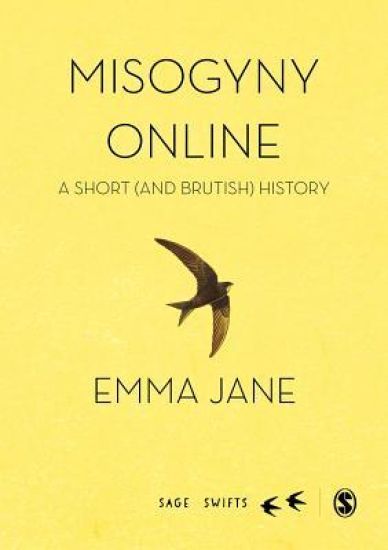
Misogyny Online explores the worldwide phenomenon of gendered cyberhate as a significant discourse which has been overlooked and marginalised. The rapid growth of the internet has led to numerous opportunities and benefits; however, the architecture of the cybersphere offers users unprecedented opportunities to engage in hate speech. A leading international researcher in this field, Emma A. Jane weaves together data and theory from multiple disciplines and expresses her findings in a style that is engaging, witty and powerful. Misogyny Online is an important read for students and faculty members alike across the social sciences and humanities.
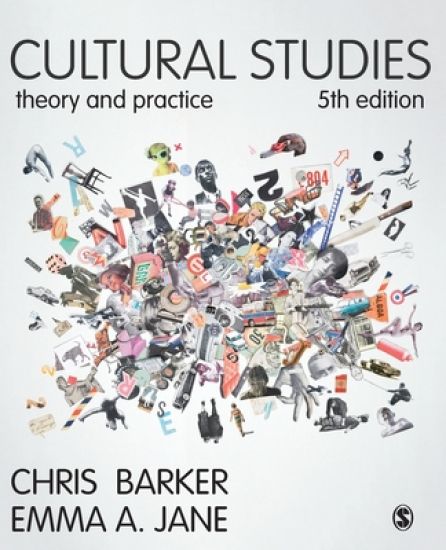
"This book presents a magisterial overview of Cultural Studies, and of studies of culture more broadly. It synthesizes a bewildering range of writers and ideas into a comprehensible narrative. It’s respectful to the history of ideas and completely cutting edge. I learned a lot – you will too." - Professor Alan McKee, University of Technology Sydney "The role of culture in spatial, digital and political settings is a vital aspect of contemporary life. Barker and Jane provide an excellent introduction to Cultural Studies’ relationship to these core issues, both through a clear explanation of key concepts and thinkers, alongside well chosen examples and essential questions." - Dr David O'Brien, Goldsmiths, University of London With over 40,000 copies sold, Cultural Studies: Theory and Practice has been the indispensable guide to studying culture for generations of students. Here is everything students need to know, with all the key concepts, theories and thinkers in one comprehensive, authoritative yet accessible resource. Teaching students the foundations of cultural studies - from ideology, representation and discourse to audiences, subcultures and cultural policy - this revised edition: Fully explores the ubiquity of digital media culture, helping readers analyse issues surrounding social media, surveillance, cyber-activism and moreIntroduces students to all the key thinkers they’ll encounter, from Stuart Hall and Michel Foucault to Judith Butler and Donna HarawayBalances the classics with cutting edge theory, including case studies on e-commerce, the self-help industry, the transgender debate, and representations of raceEmbraces popular culture in all of its diversity, from drag kings and gaming, to anime fandom and remix culturesIs re-written throughout with a new co-author, making it a more enjoyable read than ever. Unmatched in coverage and used world-wide, this is the essential companion for all students of cultural studies, culture and society, media and cultural theory, popular culture and cultural sociology.
"This book presents a magisterial overview of Cultural Studies, and of studies of culture more broadly. It synthesizes a bewildering range of writers and ideas into a comprehensible narrative. It’s respectful to the history of ideas and completely cutting edge. I learned a lot – you will too." - Professor Alan McKee, University of Technology Sydney "The role of culture in spatial, digital and political settings is a vital aspect of contemporary life. Barker and Jane provide an excellent introduction to Cultural Studies’ relationship to these core issues, both through a clear explanation of key concepts and thinkers, alongside well chosen examples and essential questions." - Dr David O'Brien, Goldsmiths, University of London With over 40,000 copies sold, Cultural Studies: Theory and Practice has been the indispensable guide to studying culture for generations of students. Here is everything students need to know, with all the key concepts, theories and thinkers in one comprehensive, authoritative yet accessible resource. Teaching students the foundations of cultural studies - from ideology, representation and discourse to audiences, subcultures and cultural policy - this revised edition: Fully explores the ubiquity of digital media culture, helping readers analyse issues surrounding social media, surveillance, cyber-activism and moreIntroduces students to all the key thinkers they’ll encounter, from Stuart Hall and Michel Foucault to Judith Butler and Donna HarawayBalances the classics with cutting edge theory, including case studies on e-commerce, the self-help industry, the transgender debate, and representations of raceEmbraces popular culture in all of its diversity, from drag kings and gaming, to anime fandom and remix culturesIs re-written throughout with a new co-author, making it a more enjoyable read than ever. Unmatched in coverage and used world-wide, this is the essential companion for all students of cultural studies, culture and society, media and cultural theory, popular culture and cultural sociology.
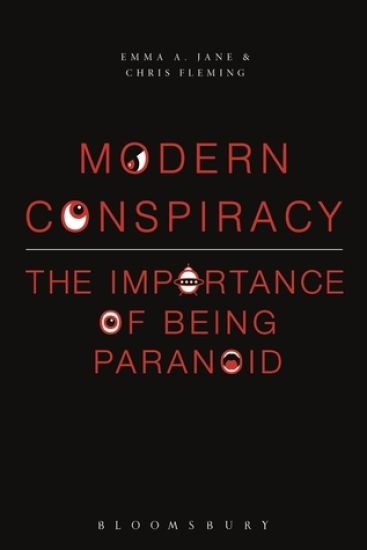
While conspiracy theory is often characterized in terms of the collapse of objectivity and Enlightenment reason, Modern Conspiracy traces the important role of conspiracy in the formation of the modern world: the scientific revolution, social contract theory, political sovereignty, religious paranoia and mass communication media. Rather than seeing the imminent death of Enlightenment reason and a regression to a new Dark Age in conspiratorial thinking, Modern Conspiracy suggests that many characteristic features of conspiracies tap very deeply into the history of the Enlightenment: its vociferous critique of established authorities and a conception of political sovereignty fuelled by fear of counter-plots, for example. Perhaps, ultimately, conspiracy theory affords us a renewed opportunity to reflect on our very relationship to the truth itself.
While conspiracy theory is often characterized in terms of the collapse of objectivity and Enlightenment reason, Modern Conspiracy traces the important role of conspiracy in the formation of the modern world: the scientific revolution, social contract theory, political sovereignty, religious paranoia and mass communication media. Rather than seeing the imminent death of Enlightenment reason and a regression to a new Dark Age in conspiratorial thinking, Modern Conspiracy suggests that many characteristic features of conspiracies tap very deeply into the history of the Enlightenment: its vociferous critique of established authorities and a conception of political sovereignty fuelled by fear of counter-plots, for example. Perhaps, ultimately, conspiracy theory affords us a renewed opportunity to reflect on our very relationship to the truth itself.