
Kirjojen hintavertailu – 12 903 725 kirjaa ja 27 kauppaa

Kirjailija

Emma Durham

Kirjat ja teokset yhdessä paikassa: 2 kirjaa, julkaisuja vuosilta 2020–2022, suosituimpiin kuuluu Silchester Insula IX: The Claudio-Neronian Occupation of the Iron Age Oppidum. Vertaile teosten hintoja ja tarkista saatavuus suomalaisista kirjakaupoista.

2 kirjaa

Kirjojen julkaisuvuodet: 2020–2022.

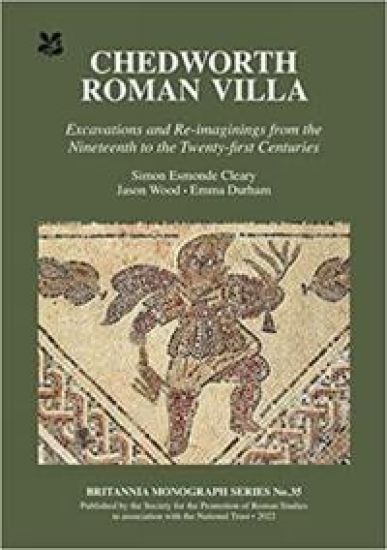
Chedworth Roman Villa

Chedworth Roman Villa

Simon Esmonde Cleary; Jason Wood; Emma Durham

SOCIETY FOR THE PROMOTION OF ROMAN STUDIES
2022
nidottu
Ten years in the planning and with contributions by 27 expert authors, this is a comprehensive record of archaeological research at Chedworth Roman Villa, Gloucestershire (now in the care of the National Trust), from the nineteenth to the twenty-first centuries. The volume brings together a large body of new, contextualised information about the villa including: a history of work at Chedworth from the 1860s to the present; a detailed fabric survey of the extant remains; description and analysis of the Roman structural remains; description and analysis of the decorative elements (e.g. mosaics, sculpture) and finds (e.g. coins, Roman artefacts, glass, pottery and bones); discussion of the development of the villa and its place in the landscape; the consolidation and display of the villa from its discovery in 1864 to the present. The volume is well illustrated with drawings and photos ranging in date from the late 1800s to the present. The volume will appeal to all with an interest in Roman Britain, and Roman villas in particular, and in the antiquarians who first discovered and investigated them.
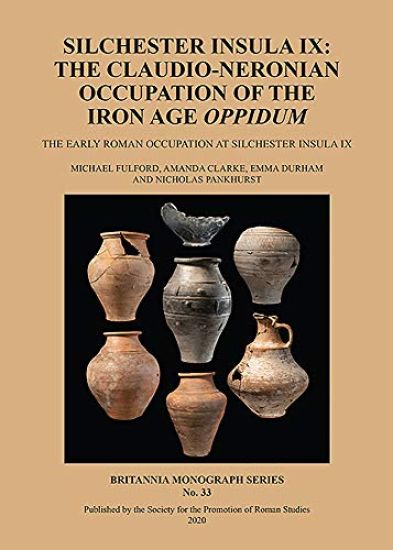
Silchester Insula IX: The Claudio-Neronian Occupation of the Iron Age Oppidum

Silchester Insula IX: The Claudio-Neronian Occupation of the Iron Age Oppidum

Michael Fulford; Amanda Clarke; Emma Durham; Nicholas Pankhurst

Society for the Promotion of Roman Studies
2020
nidottu
How did a major nucleated settlement respond to the Roman conquest? Occupation of Silchester (Calleva) after the Roman invasion of south-east Britain in A. D. 43 shows remarkable continuity from the pre-Roman Iron Age oppidum. Although the settlement was crossed by strategic Roman roads, the network of lanes and compounds, crowded with round and rectangular buildings, otherwise remained little changed until c. A. D. 85. The contents of rubbish pits and wells give remarkable insights into the diet, occupations, identity and ritualistic behaviour of the inhabitants, while the richly varied provenances of the pottery and other finds reveal the local, regional and long-distance connections of the community. Although there is clear evidence of investment in the town in the reign of Nero, the pre-existing settlement was not swept away until the Roman street grid was established c. A. D. 85. This volume follows on from the publication of Late Iron Age Calleva, Britannia Monograph 32 (2018)