Kirjojen hintavertailu – 12 903 725 kirjaa ja 27 kauppaa

Kirjailija

Emma Greensmith

Kirjat ja teokset yhdessä paikassa: 4 kirjaa, julkaisuja vuosilta 2020–2024, suosituimpiin kuuluu The Poet's Voice. Vertaile teosten hintoja ja tarkista saatavuus suomalaisista kirjakaupoista.

4 kirjaa

Kirjojen julkaisuvuodet: 2020–2024.

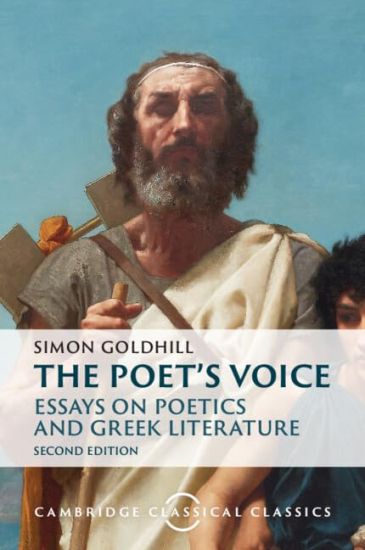
The Poet's Voice

The Poet's Voice

Simon Goldhill; Emma Greensmith

Cambridge University Press
2024
pokkari
How are poetry and the figure of the poet represented, discussed, contested within the poetry of ancient Greece? From what position does a poet speak? With what authority? With what debts to the past? With what involvement in the present? Through a series of interrelated essays on Homer, lyric poetry, Aristophanes, Theocritus and Apollonius of Rhodes, this landmark volume discusses key aspects of the history of poetics: tale-telling and the representation of man as the user of language; memorial and praise; parody, comedy and carnival; irony, masks and desire; the legacy of the past and the idea of influence. Detailed readings of major works of Greek literature and liberal use of critical writings from outside Classics help to align modern and ancient poetics in enlightening ways. This revised edition contains a substantial new Introduction which engages with critical and scholarly developments in Greek literature since the original publication.
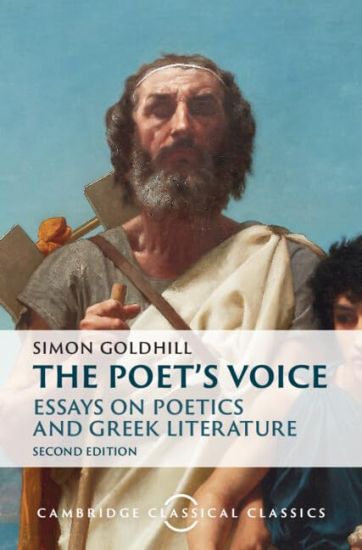
The Poet's Voice

The Poet's Voice

Simon Goldhill; Emma Greensmith

Cambridge University Press
2024
sidottu
How are poetry and the figure of the poet represented, discussed, contested within the poetry of ancient Greece? From what position does a poet speak? With what authority? With what debts to the past? With what involvement in the present? Through a series of interrelated essays on Homer, lyric poetry, Aristophanes, Theocritus and Apollonius of Rhodes, this landmark volume discusses key aspects of the history of poetics: tale-telling and the representation of man as the user of language; memorial and praise; parody, comedy and carnival; irony, masks and desire; the legacy of the past and the idea of influence. Detailed readings of major works of Greek literature and liberal use of critical writings from outside Classics help to align modern and ancient poetics in enlightening ways. This revised edition contains a substantial new Introduction which engages with critical and scholarly developments in Greek literature since the original publication.
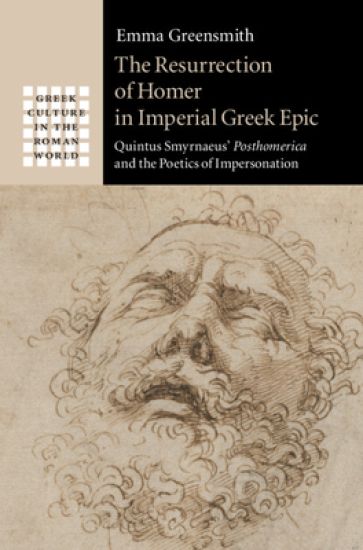
The Resurrection of Homer in Imperial Greek Epic

The Resurrection of Homer in Imperial Greek Epic

Emma Greensmith

Cambridge University Press
2022
pokkari
This book offers a radically new reading of Quintus' Posthomerica, the first account to combine a literary and cultural-historical understanding of what is the most important Greek epic written at the height of the Roman Empire. In Emma Greensmith's ground-breaking analysis, Quintus emerges as a key poet in the history of epic and of Homeric reception. Writing as if he is Homer himself, and occupying the space between the Iliad and the Odyssey, Quintus constructs a new 'poetics of the interval'. At all levels, from its philology to its plotting, the Posthomerica manipulates the language of affiliation, succession and repetition not just to articulate its own position within the inherited epic tradition but also to contribute to the literary and identity politics of imperial society. This book changes how we understand the role of epic and Homer in Greco-Roman culture - and completely re-evaluates Quintus' status as a poet.
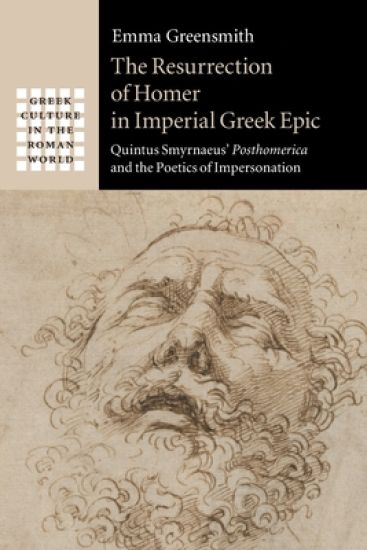
The Resurrection of Homer in Imperial Greek Epic

The Resurrection of Homer in Imperial Greek Epic

Emma Greensmith

Cambridge University Press
2020
sidottu
This book offers a radically new reading of Quintus' Posthomerica, the first account to combine a literary and cultural-historical understanding of what is the most important Greek epic written at the height of the Roman Empire. In Emma Greensmith's ground-breaking analysis, Quintus emerges as a key poet in the history of epic and of Homeric reception. Writing as if he is Homer himself, and occupying the space between the Iliad and the Odyssey, Quintus constructs a new 'poetics of the interval'. At all levels, from its philology to its plotting, the Posthomerica manipulates the language of affiliation, succession and repetition not just to articulate its own position within the inherited epic tradition but also to contribute to the literary and identity politics of imperial society. This book changes how we understand the role of epic and Homer in Greco-Roman culture - and completely re-evaluates Quintus' status as a poet.