Kirjojen hintavertailu – 12 903 731 kirjaa ja 27 kauppaa

Kirjailija

Emma Waterton

Kirjat ja teokset yhdessä paikassa: 5 kirjaa, julkaisuja vuosilta 2009–2022, suosituimpiin kuuluu The Semiotics of Heritage Tourism. Vertaile teosten hintoja ja tarkista saatavuus suomalaisista kirjakaupoista.

5 kirjaa

Kirjojen julkaisuvuodet: 2009–2022.

Geographies of Commemoration in a Digital World

Geographies of Commemoration in a Digital World

Danielle Drozdzewski; Shanti Sumartojo; Emma Waterton

SPRINGER VERLAG, SINGAPORE
2022
nidottu
This book reframes commemoration through distinctly geographical lenses, locating it within experiential and digital worlds. It interrogates the role of power in representations of memory and shows how experiences of commemoration sit within, alongside and in contrast to its official normative forms. The book charts how memories, places and experiences of commemoration play out and have, or have not, changed in and through a digital world. Key to the book’s exploration is a new epistemology of memory, underpinned by an embodied research approach.
Geographies of Commemoration in a Digital World

Geographies of Commemoration in a Digital World

Danielle Drozdzewski; Shanti Sumartojo; Emma Waterton

Springer Verlag, Singapore
2021
sidottu
This book reframes commemoration through distinctly geographical lenses, locating it within experiential and digital worlds. It interrogates the role of power in representations of memory and shows how experiences of commemoration sit within, alongside and in contrast to its official normative forms. The book charts how memories, places and experiences of commemoration play out and have, or have not, changed in and through a digital world. Key to the book’s exploration is a new epistemology of memory, underpinned by an embodied research approach.
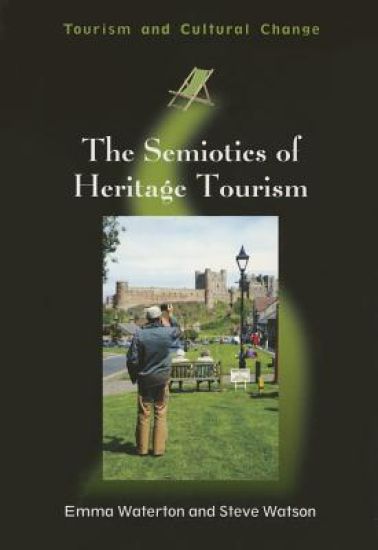
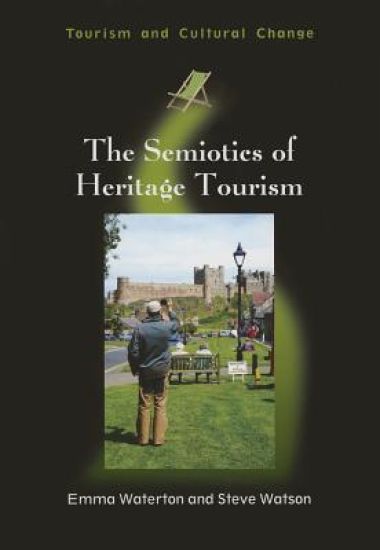
The Semiotics of Heritage Tourism

The Semiotics of Heritage Tourism

Emma Waterton; Steve Watson

Channel View Publications
2014
nidottu
This book is a fast-paced and thorough re-evaluation of what heritage tourism means to the people who experience it. It draws on contemporary thinking in human geography and heritage studies, and applies it to a sector of tourism that is both pervasive yet poorly researched in terms of the perspective of tourists themselves. In a series of lucid and tightly argued chapters, it traces the use of semiotics as an analytical tool from its theoretical origins in text, through the all-important dynamics of visuality into an expanded realm of feeling and sensuality. Challenging assumptions about the way that heritage is experienced, this book uses examples from around the world to explore the semiotic landscape that surrounds heritage sites, linking what is represented about the past and how it feels to be there.
The Semiotics of Heritage Tourism

The Semiotics of Heritage Tourism

Emma Waterton; Steve Watson

Channel View Publications
2014
sidottu
This book is a fast-paced and thorough re-evaluation of what heritage tourism means to the people who experience it. It draws on contemporary thinking in human geography and heritage studies, and applies it to a sector of tourism that is both pervasive yet poorly researched in terms of the perspective of tourists themselves. In a series of lucid and tightly argued chapters, it traces the use of semiotics as an analytical tool from its theoretical origins in text, through the all-important dynamics of visuality into an expanded realm of feeling and sensuality. Challenging assumptions about the way that heritage is experienced, this book uses examples from around the world to explore the semiotic landscape that surrounds heritage sites, linking what is represented about the past and how it feels to be there.
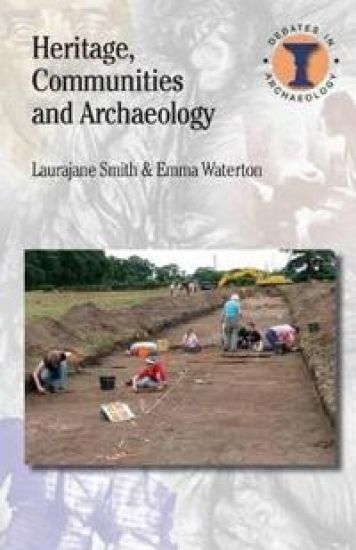
Heritage, Communities and Archaeology

Heritage, Communities and Archaeology

Laurajane Smith; Emma Waterton

Bristol Classical Press
2009
nidottu
This book traces the development of 'community archaeology', identifying both its advantages and disadvantages by describing how and why tensions have arisen between archaeological and community understandings of the past. The focus of this book is the conceptual disjunction between heritage and data and the problems this poses for both archaeologists and communities in communicating and engaging with each other. In order to explain the extent of the miscommunication that can occur, the authors examine the ways in which a range of community groups, including communities of expertise, define and negotiate memory and identity. Importantly, they explore the ways in which these expressions are used, or are taken up, in struggles over cultural recognition - and ultimately, the practical, ethical, political and theoretical implications this has for archaeologists engaging in community work. Finally, they argue that there are very real advantages for archaeological research, theory and practice to be gained from engaging with communities.