Kirjojen hintavertailu – 12 859 819 kirjaa ja 27 kauppaa

Kirjailija

Enrico Padoan

Kirjat ja teokset yhdessä paikassa: 4 kirjaa, julkaisuja vuosilta 2020–2024, suosituimpiin kuuluu Populism and (Pop) Music. Vertaile teosten hintoja ja tarkista saatavuus suomalaisista kirjakaupoista.

4 kirjaa

Kirjojen julkaisuvuodet: 2020–2024.

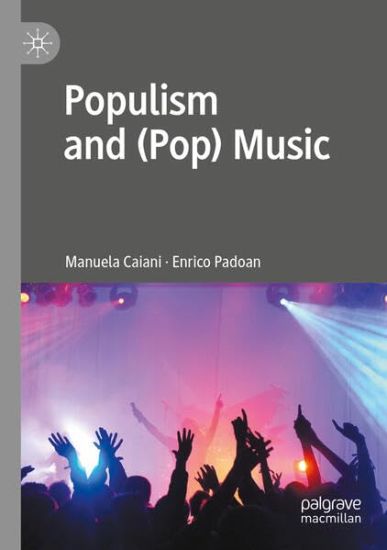
Populism and (Pop) Music

Populism and (Pop) Music

Manuela Caiani; Enrico Padoan

Springer International Publishing AG
2024
nidottu
This book launches a proposal: to fill some empirical and theoretical gaps that presently exists in populism studies by looking at the potential nexus between populist phenomena and popular culture. It provides a detailed account of the multiple mechanisms linking the production of pop music (as a form of popular culture) to the rise and reproduction of populism. The authors use a case study of Italy to interrogate these mechanisms because of its long-lasting populist phenomena and the contextual importance of pop music. The book’s mixed-methods strategy assesses three different aspects of the potential relationship between pop music and populist politics: the cultural opportunity structure generated and reproduced by the production of music, the strategies political actors use to exploit music for political purposes, and, crucially, the ways fans and ordinary citizens understand the relationship between pop music and politics, and subsequent debates and identities. Moving from the case study, the book in its last chapter offers a more general understanding of the associations between pop music and populism.
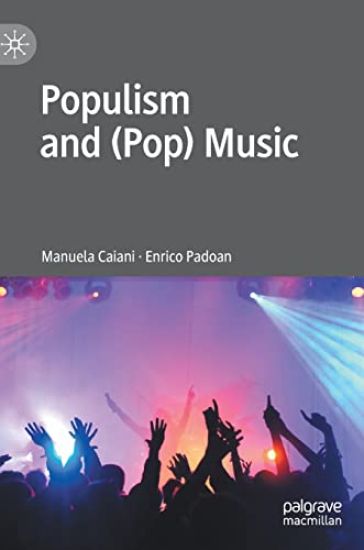
Populism and (Pop) Music

Populism and (Pop) Music

Manuela Caiani; Enrico Padoan

Springer International Publishing AG
2023
sidottu
This book launches a proposal: to fill some empirical and theoretical gaps that presently exists in populism studies by looking at the potential nexus between populist phenomena and popular culture. It provides a detailed account of the multiple mechanisms linking the production of pop music (as a form of popular culture) to the rise and reproduction of populism. The authors use a case study of Italy to interrogate these mechanisms because of its long-lasting populist phenomena and the contextual importance of pop music. The book’s mixed-methods strategy assesses three different aspects of the potential relationship between pop music and populist politics: the cultural opportunity structure generated and reproduced by the production of music, the strategies political actors use to exploit music for political purposes, and, crucially, the ways fans and ordinary citizens understand the relationship between pop music and politics, and subsequent debates and identities. Moving from the case study, the book in its last chapter offers a more general understanding of the associations between pop music and populism.
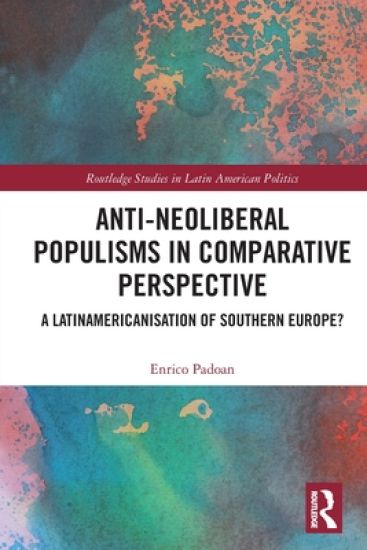
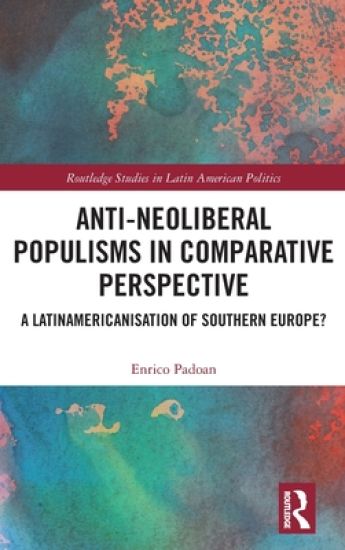
Anti-Neoliberal Populisms in Comparative Perspective
In this book, Enrico Padoan proposes an original middle-range theory to explain the emergence and the internal organisation of anti-neoliberal populist parties in Latin America and Southern Europe, and the relationships between these parties and the organised working class. Padoan begins by tracing the diverging evolution of the electoral Lefts in Latin America and Southern Europe in the aftermath of economic crises, and during the implementation of austerity measures within many of these nations. A causal typology for interpreting the possible outcomes of the realignments within the electoral Lefts is proposed. Hereafter, the volume features five empirical chapters, four of which focus on the rise of anti-neoliberal populist parties in Bolivia, Argentina, Spain and Italy, while a fifth offers an analysis on four ‘shadow cases’ in Venezuela, Uruguay, Portugal and Greece. Scholars of Latin America and Comparative Politics will find Anti-Neoliberal Populisms in Comparative Perspective a highly valuable resource, offering a distinctive perspective on the impact of different populisms on party systems and on the challenges that such populisms posed to syndicalism and to traditional left-of-centre parties.