
Kirjojen hintavertailu – 12 859 819 kirjaa ja 27 kauppaa

Kirjailija

Eoin Sullivan

Kirjat ja teokset yhdessä paikassa: 2 kirjaa, julkaisuja vuosilta 2012–2014, suosituimpiin kuuluu Coercive Confinement in Ireland. Vertaile teosten hintoja ja tarkista saatavuus suomalaisista kirjakaupoista.

2 kirjaa

Kirjojen julkaisuvuodet: 2012–2014.

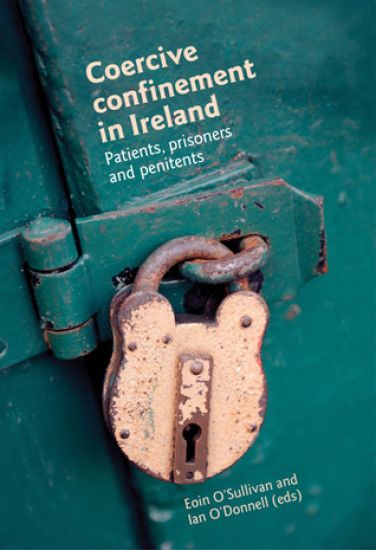
Coercive Confinement in Ireland

Coercive Confinement in Ireland

Eoin Sullivan; Ian O'Donnell

Manchester University Press
2014
nidottu
This book provides an overview of the incarceration of tens of thousands of men, women and children during the first fifty years of Irish independence. Psychiatric hospitals, mother and baby homes, Magdalen homes, reformatory and industrial schools, prisons and borstal formed a network of institutions of coercive confinement that was integral to the emerging state. The book, now available in paperback after performing superbly in hardback, provides a wealth of contemporaneous accounts of what life was like within these austere and forbidding places as well as offering a compelling explanation for the longevity of the system and the reasons for its ultimate decline. While many accounts exist of individual institutions and the factors associated with their operation, this is the first attempt to provide a holistic account of the interlocking range of institutions that dominated the physical landscape and, in many ways, underpinned the rural economy. Highlighting the overlapping roles of church, state and family in the maintenance of these forms of social control, this book will appeal to those interested in understanding twentieth-century Ireland: in particular, historians, legal scholars, criminologists, sociologists and other social scientists.
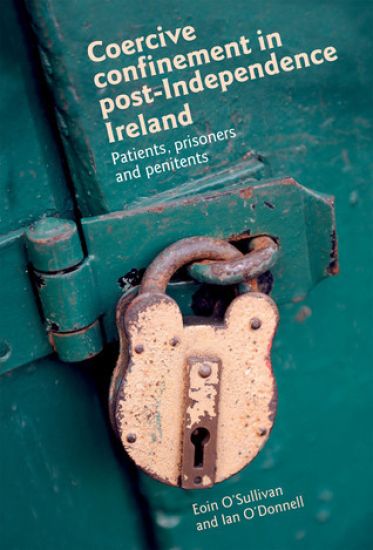
Coercive Confinement in Ireland

Coercive Confinement in Ireland

Eoin Sullivan; Ian O'Donnell

Manchester University Press
2012
sidottu
This book provides an overview of the incarceration of tens of thousands of men, women and children during the first fifty years of Irish independence. Psychiatric hospitals, mother and baby homes, Magdalen homes, Reformatory and Industrial schools, prisons and Borstal formed a network of institutions of coercive confinement that was integral to the emerging state. The book provides a wealth of contemporaneous accounts of what life was like within these austere and forbidding places as well as offering a compelling explanation for the longevity of the system and the reasons for its ultimate decline. While many accounts exist of individual institutions and the factors associated with their operation, this is the first attempt to provide a holistic account of the interlocking range of institutions that dominated the physical landscape and, in many ways, underpinned the rural economy. Highlighting the overlapping roles of church, state and family in the maintenance of these forms of social control, this book will appeal to those interested in understanding twentieth-century Ireland: in particular, historians, legal scholars, criminologists, sociologists and other social scientists. These arguments take on special importance as Irish society continues to grapple with the legacy of its extensive use of institutionalisation.