Kirjojen hintavertailu – 12 859 829 kirjaa ja 27 kauppaa
Kirjailija
Ernesto Castañeda
Kirjat ja teokset yhdessä paikassa: 9 kirjaa, julkaisuja vuosilta 2018–2024, suosituimpiin kuuluu Social Movements, 1768 - 2018. Vertaile teosten hintoja ja tarkista saatavuus suomalaisista kirjakaupoista.
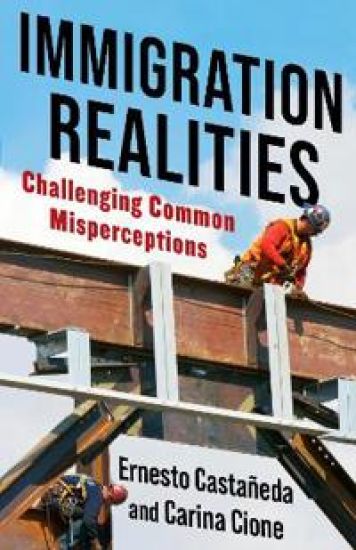
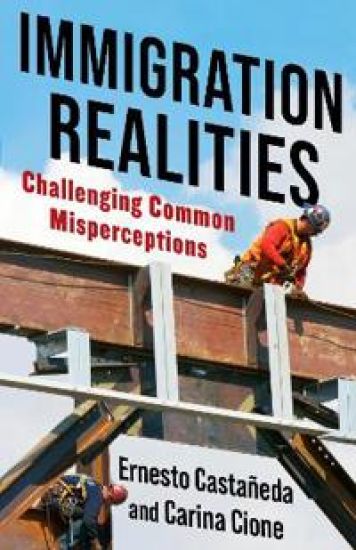
Immigrants are less likely to commit crimes. They are eager to learn local languages. Immigration is not a burden on social services. Border walls do not work. There is no unmanageable refugee crisis. Yet many such misinformed assumptions and harmful misconceptions pervade conversations about immigration. This timely book is a practical, evidence-based primer on immigrants and immigration. Each chapter debunks a frequently encountered claim and answers common questions. Presenting the latest findings and decades of interdisciplinary research in an accessible way, Ernesto Castañeda and Carina Cione emphasize the expert consensus that immigration is vital to the United States and many other countries around the world. Featuring original insights from research conducted in El Paso, Texas, Immigration Realities considers a wide range of places, ethnic groups, and historical eras. It provides the key data and context to understand how immigration affects economies, crime rates, and social welfare systems, and it sheds light on contentious issues such as the safety of the U. S.-Mexico border and the consequences of Brexit. This book is an indispensable guide for all readers who want to counter false claims about immigration and are interested in what the research shows.
Immigrants are less likely to commit crimes. They are eager to learn local languages. Immigration is not a burden on social services. Border walls do not work. There is no unmanageable refugee crisis. Yet many such misinformed assumptions and harmful misconceptions pervade conversations about immigration. This timely book is a practical, evidence-based primer on immigrants and immigration. Each chapter debunks a frequently encountered claim and answers common questions. Presenting the latest findings and decades of interdisciplinary research in an accessible way, Ernesto Castañeda and Carina Cione emphasize the expert consensus that immigration is vital to the United States and many other countries around the world. Featuring original insights from research conducted in El Paso, Texas, Immigration Realities considers a wide range of places, ethnic groups, and historical eras. It provides the key data and context to understand how immigration affects economies, crime rates, and social welfare systems, and it sheds light on contentious issues such as the safety of the U. S.-Mexico border and the consequences of Brexit. This book is an indispensable guide for all readers who want to counter false claims about immigration and are interested in what the research shows.
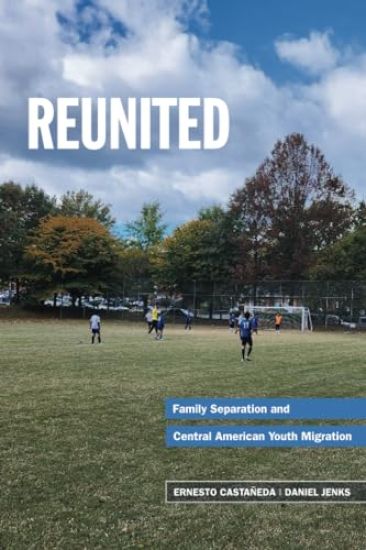
In the second decade of the twenty-first century, an increasing number of children from El Salvador, Honduras, and Guatemala began arriving without parents at the U. S.-Mexico border. In many cases, the parents had left for the United States years earlier to earn money that they could send back home. In Reunited sociologists Ernesto Casta eda and Daniel Jenks explain the reasons for Central American youths' migration, describe the journey, and document how the young migrants experience separation from and subsequent reunification with their families. In interviews with Central American youth, their sponsors, and social services practitioners in and around Washington, D. C., Casta eda and Jenks find that Central American minors migrate on their own mainly for three reasons: gang violence, lack of educational and economic opportunity, and a longing for family reunification. The authors note that youth who feel comfortable leaving and have feelings of belonging upon arrival integrate quickly and easily while those who experience trauma in their home countries and on their way to the United States face more challenges. Casta eda and Jenks recount these young migrants' journey from Central America to the U. S. border, detailing the youths' difficulties passing through Mexico, proving to U. S. Customs and Border Protection officials that they have a legitimate fear of returning or are victims of trafficking, and staying in shelters while their sponsorship, placement, and departure are arranged. The authors also describe the tensions the youth face when they reunite with family members they may view as strangers. Despite their biological, emotional, and financial bonds to these relatives, the youth must learn how to relate to new authority figures and decide whether or how to follow their rules. The experience of migrating can have a lasting effect on the mental health of young migrants, Casta eda and Jenks note. Although the authors find that Central American youths' mental health improves after migrating to the United States, the young migrants remain at risk of further problems. They are likely to have lived through traumatizing experiences that inhibit their integration. Difficulty integrating, in turn, creates new stressors that exacerbate PTSD, depression, and anxiety. Consequently, schools and social service organizations are critical, the authors argue, for enhancing youth migrants' sense of belonging and their integration into their new communities. Bilingual programs, Spanish-speaking PTA groups, message boards, mentoring of immigrant children, and after-school programs for members of reunited families are all integral in supporting immigrant youth as they learn English, finish high school, apply to college, and find jobs. Offering a complex exploration of youth migration and family reunification, Reunited provides a moving account of how young Central American migrants make the journey north and ultimately reintegrate with their families in the United States.
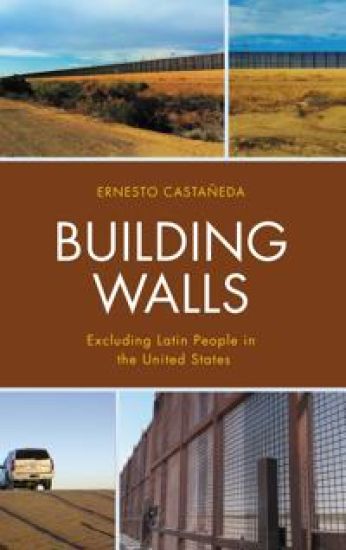
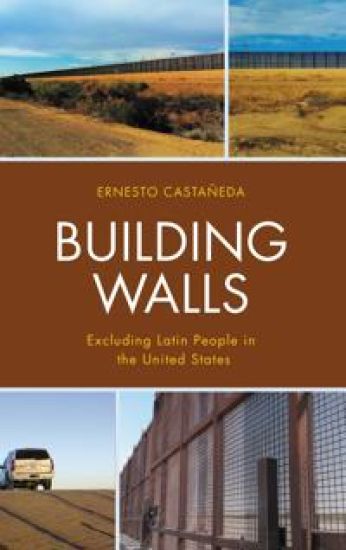
The election of Donald Trump has called attention to the border wall and anti-Mexican discourses and policies, yet these issues are not new. Building Walls puts the recent calls to build a border wall along the US-Mexico border into a larger social and historical context. This book describes the building of walls, symbolic and physical, between Americans and Mexicans, as well as the consequences that these walls have in the lives of immigrants and Latin communities in the United States. The book is divided into three parts: categorical thinking, anti-immigrant speech, and immigration as an experience. The sections discuss how the idea of the nation-state itself constructs borders, how political strategy and racist ideologies reinforce the idea of irreconcilable differences between whites and Latinos, and how immigrants and their families overcome their struggles to continue living in America. They analyze historical precedents, normative frameworks, divisive discourses, and contemporary daily interactions between whites and Latin individuals. It discusses the debates on how to name people of Latin American origin and the framing of immigrants as a threat and contrasts them to the experiences of migrants and border residents. Building Walls makes a theoretical contribution by showing how different dimensions work together to create durable inequalities between U. S. native whites, Latinos, and newcomers. It provides a sophisticated analysis and empirical description of racializing and exclusionary processes. View a separate blog for the book here: https://dornsife.usc.edu/csii/blog-building-walls-excluding-people/
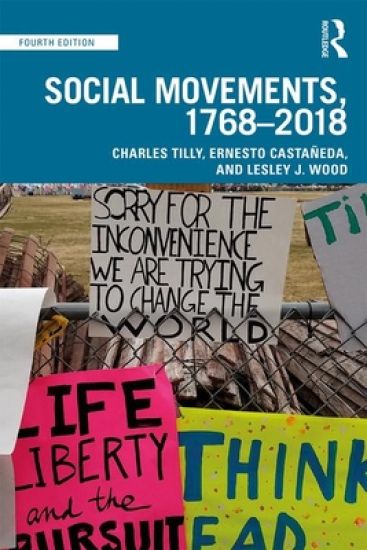
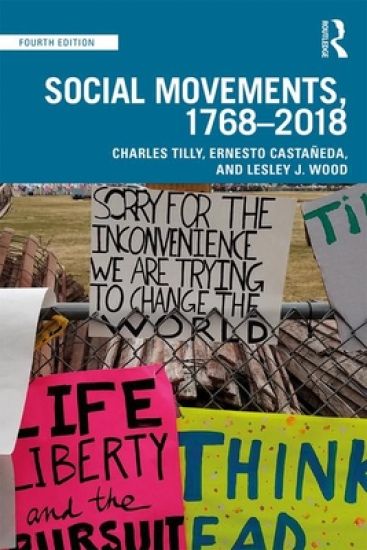
Social Movements 1768-2018 provides the most comprehensive historical account of the birth and spread of social movements. Renowned social scientist Charles Tilly applies his synthetic theoretical skills to explain the evolution of social movements across time and space in an accessible manner full of historical vignettes and examples. Tilly explains why social movements are but a type of contentious politics to decrease categorical inequalities. Questions addressed include what are the implications of globalization and new technologies for social movements, and what are the prospects for social movements? The overall argument includes data from mobilizations in England, Switzerland, Czechoslovakia, Russia, China, India, Argentina, Chile, Cuba, Mexico, Egypt, Tunisia, Iran, Iraq, and Kazakhstan. This new edition has been fully updated and revised with young researchers and students in mind. New case studies focus on social movements in Mexico, Spain, and the United States including Black Lives Matter, immigrants’ rights struggles, The Indignados, the Catalan movement for independence, #YoSoy132, Ayotzinapa43, mass incarceration and prisoner rights, and more. Timelines are included to familiarise the reader with the events discussed and discussion questions are framed to increase understanding of the implications, limits, and importance of historical and ongoing social movements.
Social Movements 1768-2018 provides the most comprehensive historical account of the birth and spread of social movements. Renowned social scientist Charles Tilly applies his synthetic theoretical skills to explain the evolution of social movements across time and space in an accessible manner full of historical vignettes and examples. Tilly explains why social movements are but a type of contentious politics to decrease categorical inequalities. Questions addressed include what are the implications of globalization and new technologies for social movements, and what are the prospects for social movements? The overall argument includes data from mobilizations in England, Switzerland, Czechoslovakia, Russia, China, India, Argentina, Chile, Cuba, Mexico, Egypt, Tunisia, Iran, Iraq, and Kazakhstan. This new edition has been fully updated and revised with young researchers and students in mind. New case studies focus on social movements in Mexico, Spain, and the United States including Black Lives Matter, immigrants’ rights struggles, The Indignados, the Catalan movement for independence, #YoSoy132, Ayotzinapa43, mass incarceration and prisoner rights, and more. Timelines are included to familiarise the reader with the events discussed and discussion questions are framed to increase understanding of the implications, limits, and importance of historical and ongoing social movements.
The election of Donald Trump has called attention to the border wall and anti-Mexican discourses and policies, yet these issues are not new. Building Walls puts the recent calls to build a border wall along the US-Mexico border into a larger social and historical context. This book describes the building of walls, symbolic and physical, between Americans and Mexicans, as well as the consequences that these walls have in the lives of immigrants and Latin communities in the United States. The book is divided into three parts: categorical thinking, anti-immigrant speech, and immigration as an experience. The sections discuss how the idea of nation state constructs border, how political strategy and racist ideologies construct the idea of irreconcilable differences between whites and Latinos, and how immigrants and their families overcome their struggles to continue living in America. They analyze historical precedents, normative frameworks, divisive discourses, and contemporary daily interactions between whites and Latin individuals. It discusses the debates on how to name people of Latin American origin and the framing of immigrants as a threat and contrasts them to the experiences of migrants and border residents. Building Walls makes a theoretical contribution by showing how different dimensions work together to create durable inequalities between U. S. native whites, Latinos, and newcomers. It provides a sophisticated analysis and empirical description of racializing and exclusionary processes.
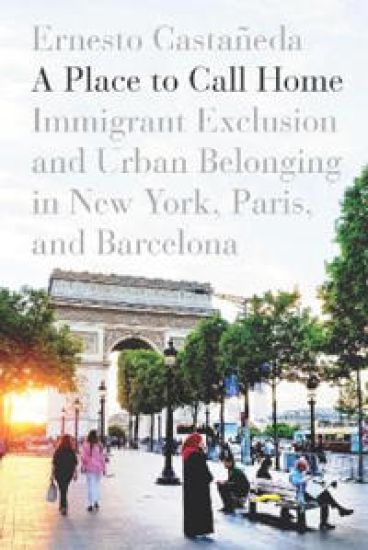
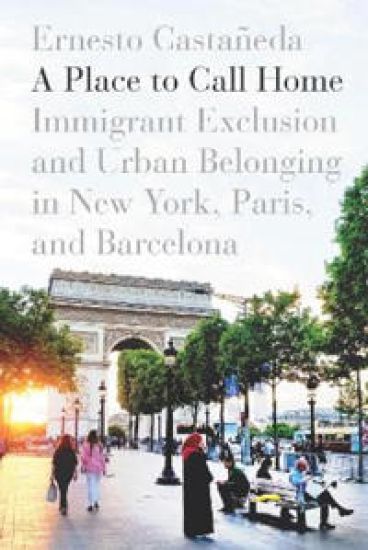
As immigrants settle in new places, they are faced with endless uncertainties that prevent them from feeling that they belong. From language barriers, to differing social norms, to legal boundaries separating them from established residents, they are constantly navigating shifting and contradictory expectations both to assimilate to their new culture and to honor their native one. In A Place to Call Home, Ernesto Castañeda offers a uniquely comparative portrait of immigrant expectations and experiences. Drawing on fourteen years of ethnographic observation and hundreds of interviews with documented and undocumented immigrants and their children, Castañeda sets out to determine how different locations can aid or disrupt the process of immigrant integration. Focusing on New York City, Paris, and Barcelona—immigration hubs in their respective countries—he compares the experiences of both Latino and North African migrants, and finds that subjective understandings, local contexts, national and regional history, and religious institutions are all factors that profoundly impact the personal journey to belonging.
As immigrants settle in new places, they are faced with endless uncertainties that prevent them from feeling that they belong. From language barriers, to differing social norms, to legal boundaries separating them from established residents, they are constantly navigating shifting and contradictory expectations both to assimilate to their new culture and to honor their native one. In A Place to Call Home, Ernesto Castañeda offers a uniquely comparative portrait of immigrant expectations and experiences. Drawing on fourteen years of ethnographic observation and hundreds of interviews with documented and undocumented immigrants and their children, Castañeda sets out to determine how different locations can aid or disrupt the process of immigrant integration. Focusing on New York City, Paris, and Barcelona—immigration hubs in their respective countries—he compares the experiences of both Latino and North African migrants, and finds that subjective understandings, local contexts, national and regional history, and religious institutions are all factors that profoundly impact the personal journey to belonging.