Kirjojen hintavertailu – 12 903 735 kirjaa ja 27 kauppaa
Kirjailija
Erwin R. Tiongson
Kirjat ja teokset yhdessä paikassa: 2 kirjaa, julkaisuja vuosilta 2009–2023, suosituimpiin kuuluu Philippine-American Heritage in Washington, D.C.. Vertaile teosten hintoja ja tarkista saatavuus suomalaisista kirjakaupoista.
Journey into the Philippine-American experience in Washington, DC. Washington is famed for its place in the history of the United States, but few know its close connections with the Philippines. Trace the intertwined histories of the two countries along the streets of Washington, from the end of the Spanish American War in 1898 through Philippine independence in 1946, and the many years since. West Potomac Park was inspired by Manila's Luneta, and District streets are named after pivotal Philippine battle grounds. These landmarks are often unmentioned in guidebooks. Hidden in plain sight are the stories of the fascinating figures that once inhabited these spaces. Professor and community historian Erwin Tiongson offers a first account of the city's Philippine heritage.
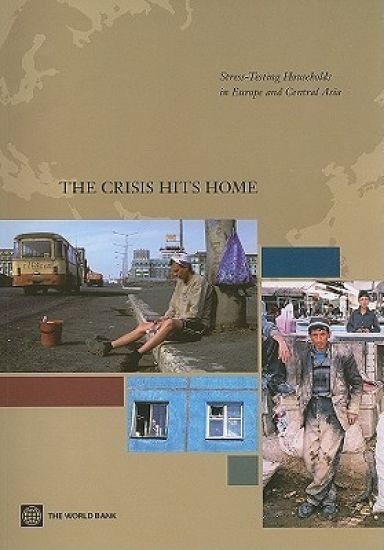
The crisis threatens the welfare of about 160 million people in the Europe and Central Asia (ECA) region who are poor or are just above the poverty line. Using pre-crisis household data along with aggregate macroeconomic outturns to simulate the impact of the crisis on households transmitted via credit market shocks, price shocks, and income shocks this report finds that adverse effects are widespread and that poor and non-poor households alike are vulnerable. By 2010, for the region as a whole, some 11 million more people will likely be in poverty and over 23 million more people will find themselves just above the poverty line because of the crisis. The aggregate results mask the heterogeneity of impact within countries, including the concentration of the poverty impact in selected economic sectors. Meanwhile, stress tests on household indebtedness in selected countries suggest that ongoing macroeconomic shocks will expand the pool of households unable to service their debt, many of them from among the ranks of relatively richer households. In fact, already there are rising household loan delinquency rates. Finally, there is evidence that the food and fuel crisis is not over and a new round of price increases, via currency adjustments, will have substantial effects on net consumers. Lessons from last year s food crisis suggest that the poor are the worst hit, as many of the poor in Albania, Kyrgyz Republic, and Tajikistan, for example, are net food consumers, with limited access to agricultural assets and inputs.