Kirjojen hintavertailu – 12 873 400 kirjaa ja 26 kauppaa

Kirjailija

Esther Kinsky

Kirjat ja teokset yhdessä paikassa: 29 kirjaa, julkaisuja vuosilta 2009–2025, suosituimpiin kuuluu Rombo. Vertaile teosten hintoja ja tarkista saatavuus suomalaisista kirjakaupoista.

29 kirjaa

Kirjojen julkaisuvuodet: 2009–2025.

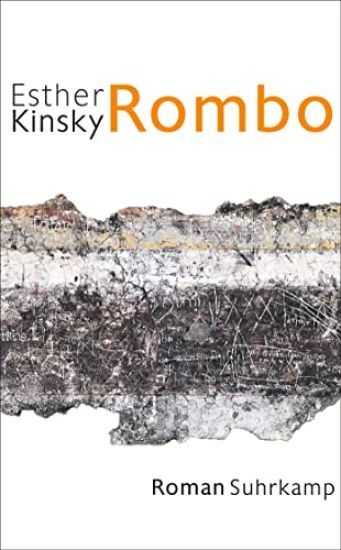
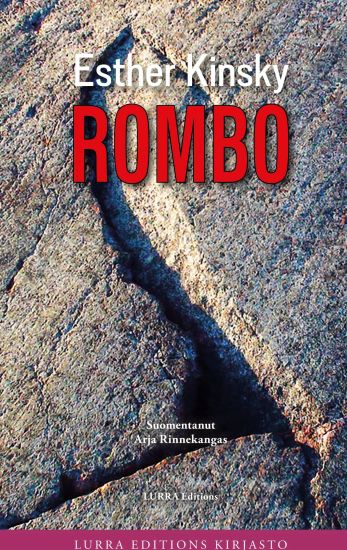
Rombo

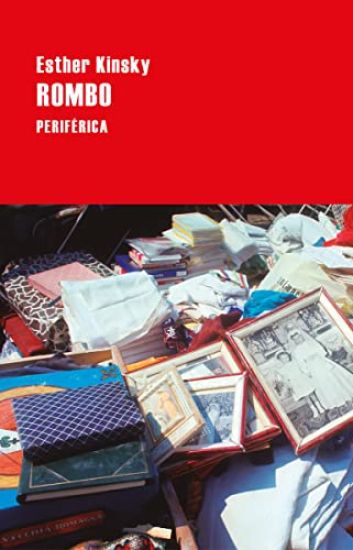
Rombo

Esther Kinsky

LURRA EDITIONS
2025
sidottu

Halvin toimitettuna 24,90 €

Rombo on maaginen kuvaus Koillis-Italiassa touko- ja syyskuussa 1976 tapahtuneista kahdesta maanjäristyksistä, joissa tuhannet menettivät henkensä - kymmenien tuhansien joutuessa jättämään kotiseutunsa - ja järistysten vaikutuksesta Friulin alueen elämään. Keskiössä ovat vuoriseudun monikerroksinen maisema ja seitsemän kyläläisen tunnustukset; yritys sopeutua tapahtuneeseen ja olla muistamatta sitä. Romaanin nimi juontuu il rombo-ilmiöstä; syvästä ja tuntemattomasta jylinästä, joka kuuluu ennen järistystä ja syöpyy tajuntaan lopullisesti. Kylän asukkaille il rombo on akustinen arpi, jonka äärellä kollektiiviset ja yksilölliset traumat kasautuvat ja niihin lomittuvat kirjassa nimettömän kertojan etnografiset päiväkirjamerkinnät maastosta, floorasta ja faunasta sekä myyteistä. Kyläläisten historia laajenee mm. nummien orkidean tutkimiseen ja Riba Faronikan arvoituksen äärelle. Valokuvilla ja löydetyillä esineillä on tärkeä roolinsa. Jokaista lukua alustavat mustavalkoiset kuvat Venzonen katedraalista löydetystä freskosta, joka sisältää kaiverruksia menneen aikakauden ihmisiltä, jotka halusivat jättää jäljen itsestään. Kirjailijan luoma kollaasi 'eurooppalaisesta Macondosta'; seudusta, joka kuoli, mutta jäi henkiin, edustaa kirjallisuutta, jota ei voi pyyhkiä pois tietoisuudesta, koska se on kaiken ulkoa opitun ja unohdetun ulkopuolella. Esther Kinsky (s. 1956) on Udinen kaupungissa, Pohjois-Italiassa, asuva ja työskentelevä saksalainen kirjailija ja kääntäjä. Hän saksansi vuosikymmenien ajan englantilaista, puolalaista ja venäläistä kirjallisuutta ennen debyyttiromaaninsa Sommerfrische ilmestymistä vuonna 2009. Kinskyn omaleimainen tuotanto, jota on määritelty 'maastokirjallisuudeksi' - maaston ollessa paikka, jossa häntä kiinnostaa se, mitä siellä on ja mitä sieltä voi löytää - on saanut lukuisia palkintoja - mm. W. G. Sebald-kirjallisuuspalkinto, 2020, Erich Freid -palkinto, 2020, Kleist-palkinto 2022. "Kirjailijalla on valtaisa lahjamaiseman ymmärtämiseen." Times Literary Supplement

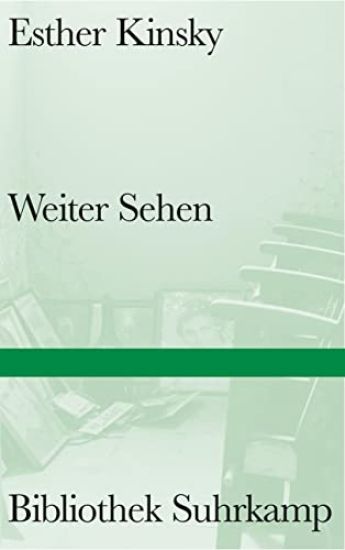
Seeing Further

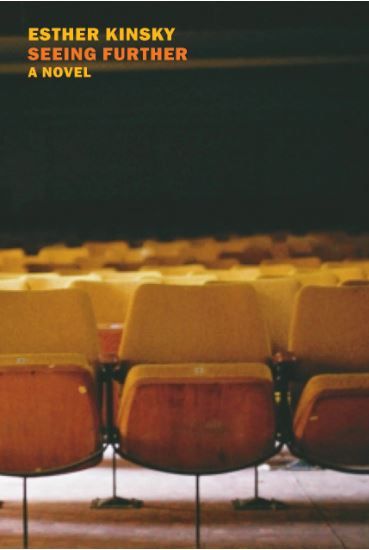
Seeing Further

Esther Kinsky

New York Review of Books
2024
nidottu
In this autobiographical novel by a leading German author and translator, the narrator attempts to revive a run-down Hungarian movie theater--an unpromising endeavor that soon leads into a consideration of the building's history and an homage to the power of the cinema, imperiled as it may be in our time. While travelling through the Great Alf ld, the vast plain in southeastern Hungary, the narrator of Seeing Further stops in an all but vacant town near the Romanian border. There she happens upon a dilapidated movie theater. Once the heart of the village, it has been boarded up for years. Entranced, she soon finds herself embarking on the colossal task of renovating it in order to preserve the cinematic experience. Seeing Further illuminates the cinema's former role as a communal space for collective imagining. For Esther Kinsky and her narrator, it remains a place of wonder, a dark room that unfurls a vastness not beholden to the ordinary rules of time and space. Seeing Further is an homage to cinema in words and pictures.
Seeing Further

Seeing Further

Esther Kinsky

Fitzcarraldo Editions
2024
nidottu

Halvin toimitettuna 21,80 €

While travelling through the Great Alföld, the vast plain in south-eastern Hungary, Esther Kinsky stops in a small town near the Romanian border. Like many other things, the cinema, ‘mozi’ in Hungarian, has long since closed. Entranced by the decaying mozi, she soon embarks on the colossal task of reviving it, compelled by the irresistible magic of the cinema, a site rooted in ritual that is steadily disappearing. Beautifully translated by Caroline Schmidt, Seeing Further is a powerfully eloquent declaration of love to the cinema and the collective experience of watching by Esther Kinsky, one of Germany’s most important contemporary writers.
Rombo

Rombo

Esther Kinsky

Fitzcarraldo Editions
2022
nidottu

Halvin toimitettuna 21,80 €

In May and September 1976, two earthquakes ripped through north-eastern Italy, causing severe damage to the landscape and its population. About a thousand people died under the rubble, tens of thousands were left without shelter, and many ended up leaving their homes in Friuli forever. The displacement of material as a result of the earthquakes was enormous. New terrain was formed that reflects the force of the catastrophe and captures the fundamentals of natural history. But it is far more difficult to find expression for the human trauma, the experience of an abruptly shattered existence. In Rombo, Esther Kinsky’s sublime new novel, seven inhabitants of a remote mountain village talk about their lives, which have been deeply impacted by the earthquake that has left marks they are slowly learning to name. From the shared experience of fear and loss, the threads of individual memory soon unravel and become haunting and moving narratives of a deep trauma.
Grove

Grove

Esther Kinsky

Transit Books
2020
nidottu
An unnamed narrator, recently bereaved, travels to a small village southeast of Rome. It is winter, and from her temporary residence on a hill between village and cemetery, she embarks on walks and outings, exploring the banal and the sublime with equal dedication and intensity. Seeing, describing, naming the world around her is her way of redefining her place within it. In Kinsky's Grove, winner of the 2018 Leipzig Book Prize, grief must bear the weight of the world and full of grief the narrator becomes one with the brittle manifestations of the Italian winter.
Grove

Grove

Esther Kinsky

Fitzcarraldo Editions
2020
nidottu

Halvin toimitettuna 21,80 €

An unnamed narrator, recently bereaved, travels to Olevano, a small village south-east of Rome. It is winter, and from her temporary residence on a hill between village and cemetery, she embarks on walks and outings, exploring the banal and the sublime with equal dedication and intensity. Seeing, describing, naming the world around her is her way of redefining her place within it. Written in a rich and poetic style, Grove is an exquisite novel of grief, love and landscapes.